Thang, a long-distance driver, sat for 8-9 hours daily, frequently ate out, and consumed energy drinks. In six months, his weight increased from 76 kg to 95 kg. Consequently, he developed lower back pain radiating to his buttocks and thighs, making it increasingly difficult to bend or straighten his body.
Two years prior, Thang was diagnosed with a herniated disc and managed the condition with medical treatment and physical therapy, thus not requiring follow-up visits. This time, he suffered a recurrent herniated disc, along with inflammation and stretching of his left hip ligament. He sought treatment at Tam Anh General Hospital in TP HCM for obesity, hoping to avoid surgery for the herniation.
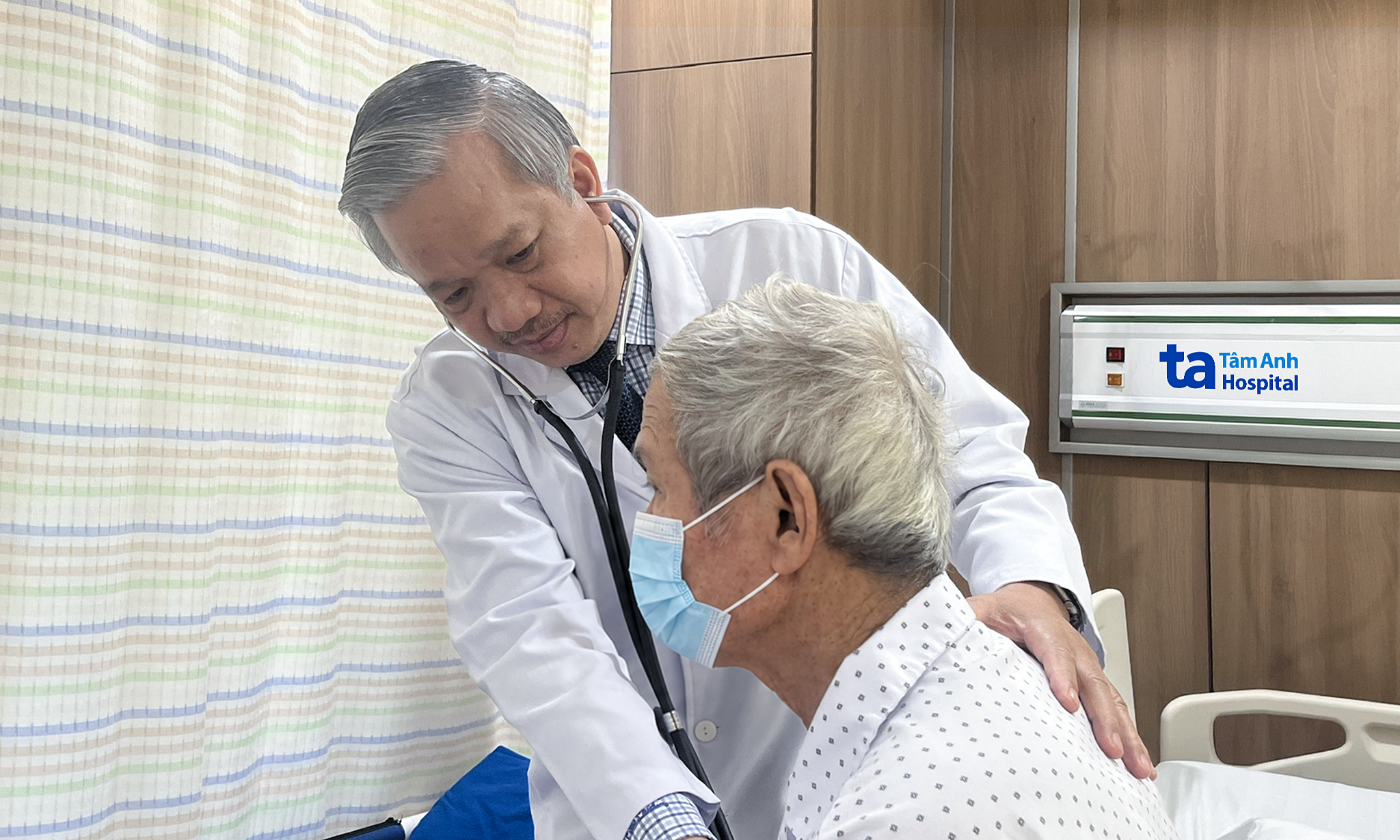
Doctor Do Tien Vu, from the Department of Endocrinology and Diabetes at Tam Anh General Hospital in TP HCM, reported that Thang suffered from severe obesity, with a body mass index (BMI) of 36. His body fat percentage was 46%, significantly higher than the recommended less than 25% for adult males, and his muscle mass was low.
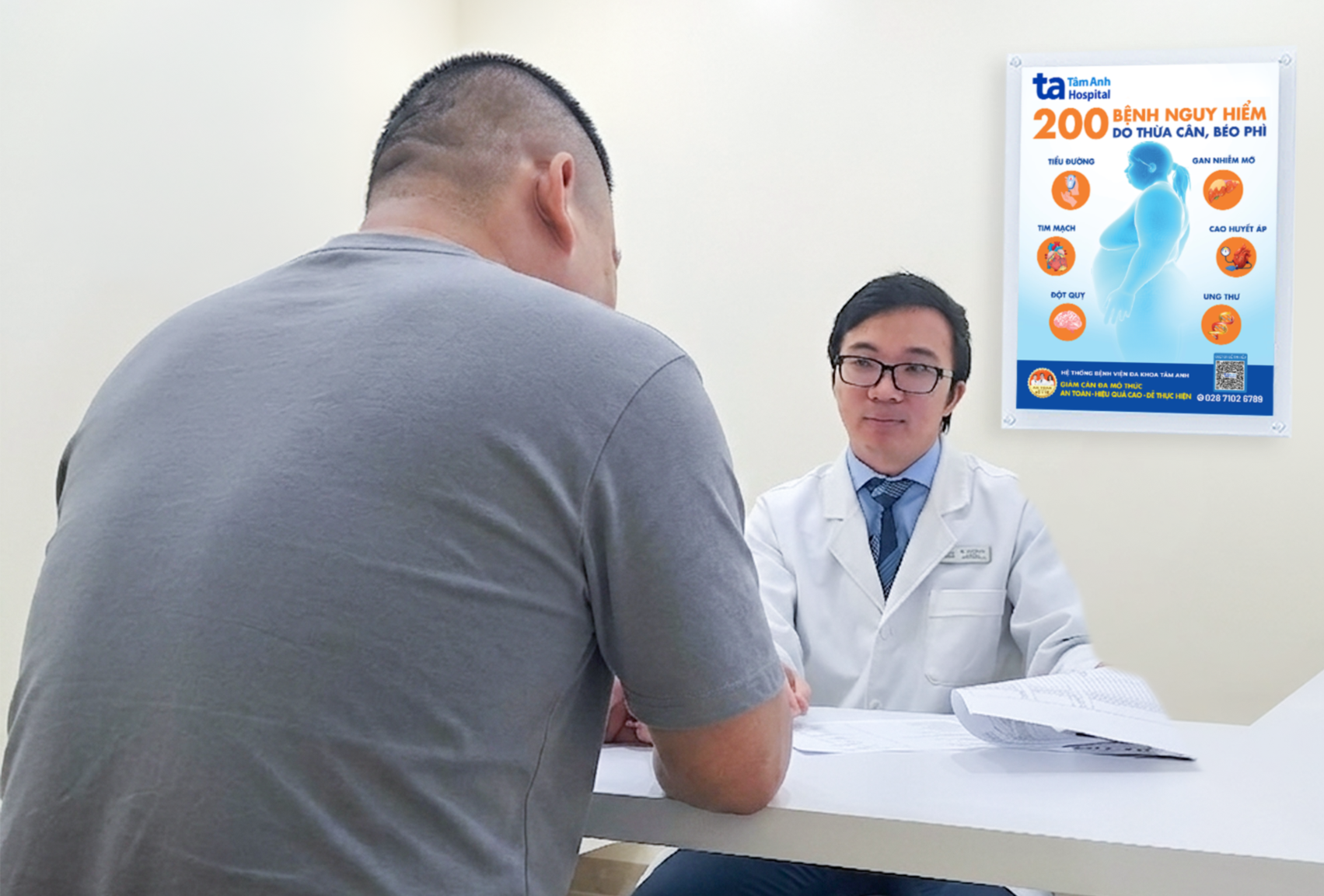 |
Doctor Vu advises Thang on weight loss. *Photo: Tam Anh General Hospital*
According to Doctor Vu, excess weight increases pressure on the spine and intervertebral discs, especially in the lumbar region, accelerating degeneration and herniation. Accumulated abdominal fat further weakens core muscles, diminishing spinal support and raising the risk of back pain and scoliosis.
"Losing 10-15% of body weight helps reduce pressure on the spine, slows the progression of disc herniation, and decreases the risk of surgery," Doctor Vu stated.
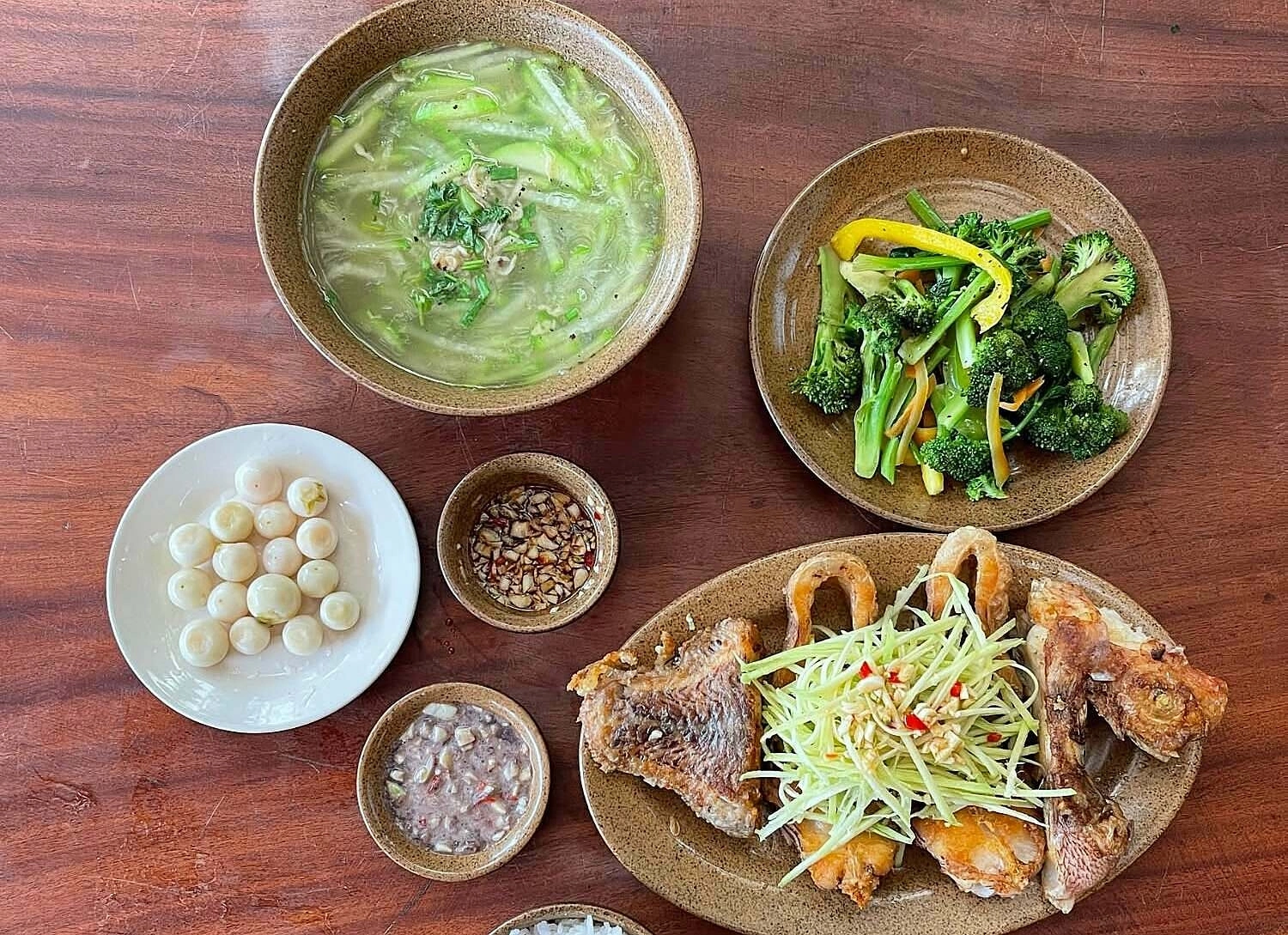
In addition to weight loss medication, Thang received nutritional counseling. He was advised to limit fatty foods, eat three main meals, and avoid snacking. For his first meal of the day, he should avoid carbohydrates. Other meals should include lean, skinless meats such as beef, chicken, tuna, squid, and pork loin. He was also encouraged to increase fruit intake and limit soft drinks and energy drinks.
Daily, after driving, Thang maintains a routine of walking at least 6,000-10,000 steps. When time permits, he incorporates exercises to build core strength (abdominal, hip, and lower back regions), enhance flexibility, and improve posture.
After two months, he lost 9 kg, and his muscle mass increased by 32%. His back pain decreased, and both the herniated disc and ligament inflammation and stretching improved. Thang continues to take prescribed medication alongside maintaining a healthy diet and lifestyle to achieve his goal of losing 18 kg.
Doctor Vu noted that previously, herniated discs primarily affected middle-aged and older individuals due to the natural aging process of the spine. However, in recent years, the condition is rapidly affecting younger people due to factors such as prolonged sitting, lack of physical activity, and unhealthy lifestyles leading to obesity. Weight management is crucial for preventing musculoskeletal diseases, including herniated discs and spinal degeneration.
Duc Hanh
*Patient's name has been changed
| Readers can submit questions about endocrine diseases here for doctors to answer. |