Bundling with blankets and clothes
According to Times of India, bundling a child in blankets or multiple layers of clothing when they have a fever does not help lower the fever faster. Instead, it can cause the body temperature to continue rising, making the child uncomfortable. Parents should dress children in light, breathable clothes suitable for the room temperature. If the child is shivering as their temperature rises, a thin blanket can be used, but the body should not be fully wrapped.
Applying ice packs
When a child has a high fever, some parents use ice or cold towels to wipe or compress them, hoping to lower the temperature quickly. However, this method can cause vasoconstriction, shivering, and increased discomfort for the child.
Parents should keep the child in a well-ventilated room, dress them appropriately, and monitor their temperature regularly. If the child is uncomfortable due to fever, suitable fever medication can be used as directed by a doctor.
Self-prescribing antibiotics
Fever in children can have many causes, with virus infections being common. Antibiotics are only effective against certain bacterial infections and do not treat virus infections.
Self-prescribing antibiotics for a child without determining the cause can lead to side effects and contribute to antibiotic resistance. Parents should not use old prescriptions or medication belonging to others for their child simply because they notice similar symptoms.
If a child's fever persists, their condition does not improve, or unusual symptoms appear, parents need to take the child for a medical examination to determine the cause.
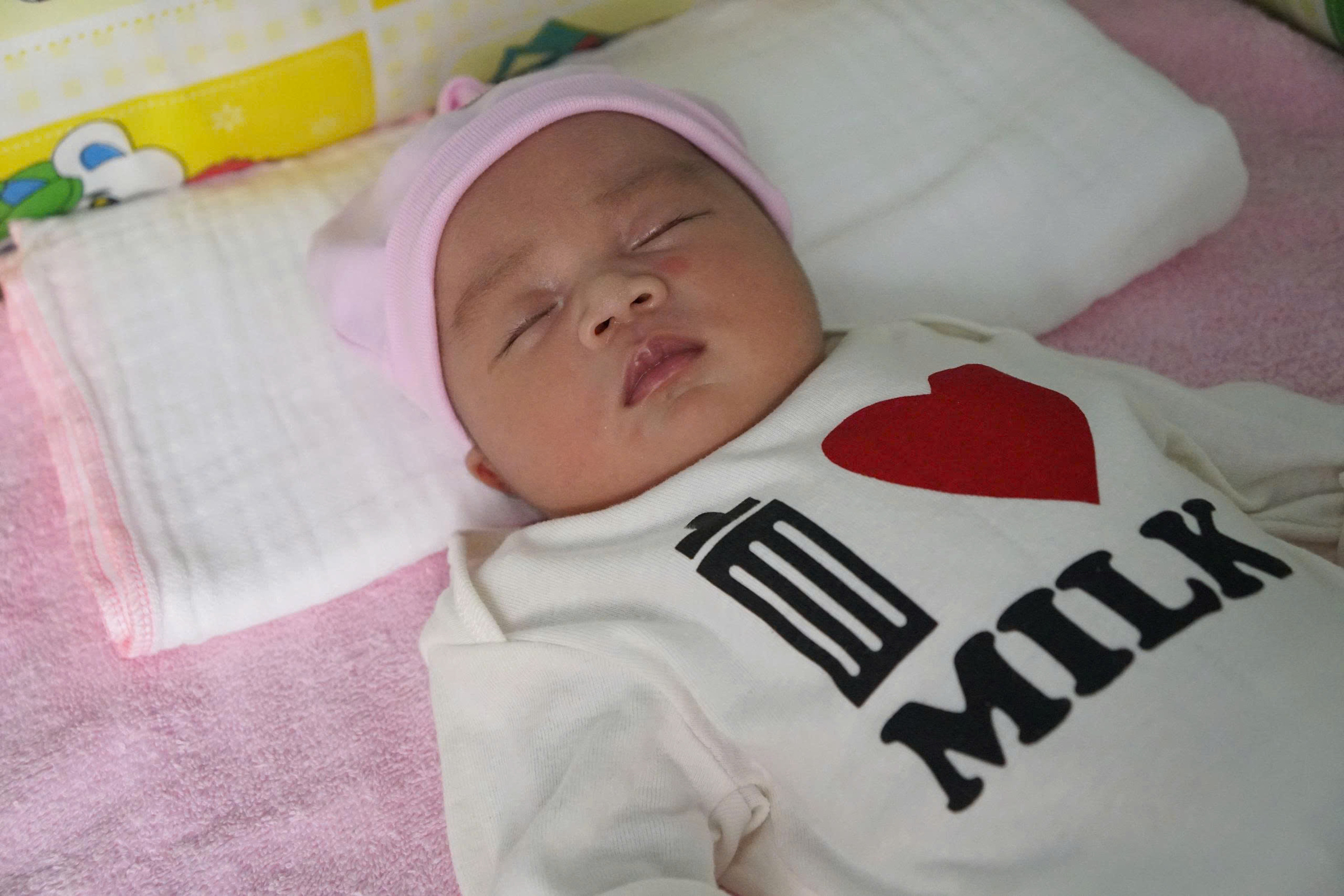 |
Children need plenty of rest when they have a fever. *Photo: Kim Uyen* |
Arbitrarily increasing fever medication dosage
When medication does not take effect immediately, parents may become impatient and give the child an additional dose, but this is a mistake that can lead to an overdose. The dosage of fever medication for children is usually calculated based on weight; parents need to carefully read the usage instructions and adhere to the dosing intervals between doses.
Forcing children to eat too much
When a child has a fever, their appetite often decreases. Some parents try to force children to eat a lot, fearing they will lack strength. However, forcing food can cause nausea and discomfort for the child.
During this time, parents should ensure the child drinks enough water and prioritize soft, easily digestible foods. If the child does not want to eat much, offer small, frequent meals instead of forcing a large amount at once, according to FirstCry Parenting.