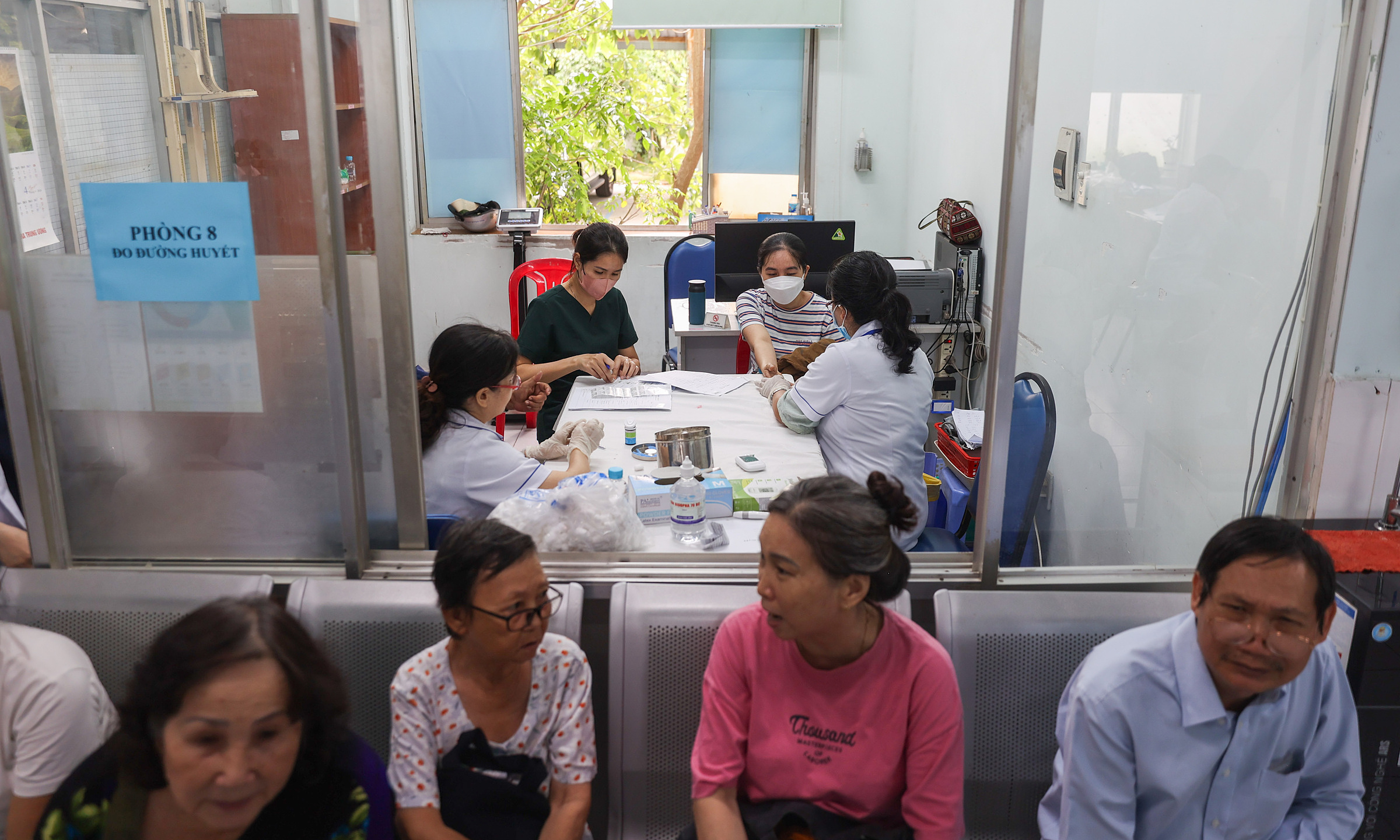
On April 1, at the 5th conference of the Ho Chi Minh City Party Committee Executive Board for the 2025-2030 term, City Party Secretary Tran Luu Quang assigned the health sector the urgent task of organizing health screenings for 100% of residents this year. City leaders mandated that the health sector complete a one-time examination process for each individual, moving away from the multi-phase plans previously adopted.
Director of the Department of Health, Tang Chi Thuong, acknowledged that the city's population of nearly 15 million presents a significant challenge in terms of organization, coordination, and resource mobilization. To achieve comprehensive coverage and ensure no urban residents are overlooked, the health sector is implementing a "three-pronged approach" consisting of three integrated solutions:
The first solution involves organizing health check-ups without administrative boundary restrictions. Given the city's large number of freelance workers and mobile residents, requiring examinations based on permanent residence often causes inconvenience. The health sector is mobilizing qualified public and private healthcare systems to participate, establishing a unified process, and sharing common data, enabling residents to choose the most convenient medical facility.
Secondly, the sector focuses on community-based examinations for high-risk groups. Local health stations directly engage with elderly individuals, vulnerable populations, and those with non-communicable diseases. This grassroots health system records information, manages chronic diseases, provides regular monitoring, and ensures continuous care within local communities.
The third solution connects the entire campaign by collecting, standardizing, and integrating data. The health sector links examination results from schools, agencies, businesses, and hospitals into a unified electronic health record system. This initiative helps the city avoid duplicate examinations, conserve resources, and gain real-time insights into the population's health.
Alongside these three pillars, the Department of Health is designing and widely publicizing various examination packages tailored to age groups and risk factors, making it easier for residents to choose. Mr. Thuong stressed the need for all levels of government to review, mobilize residents, and establish flexible examination points. The city will combine budget allocations, health insurance, and socialized resources through transparent financial mechanisms to run the campaign, advancing towards universal healthcare on a digital platform.
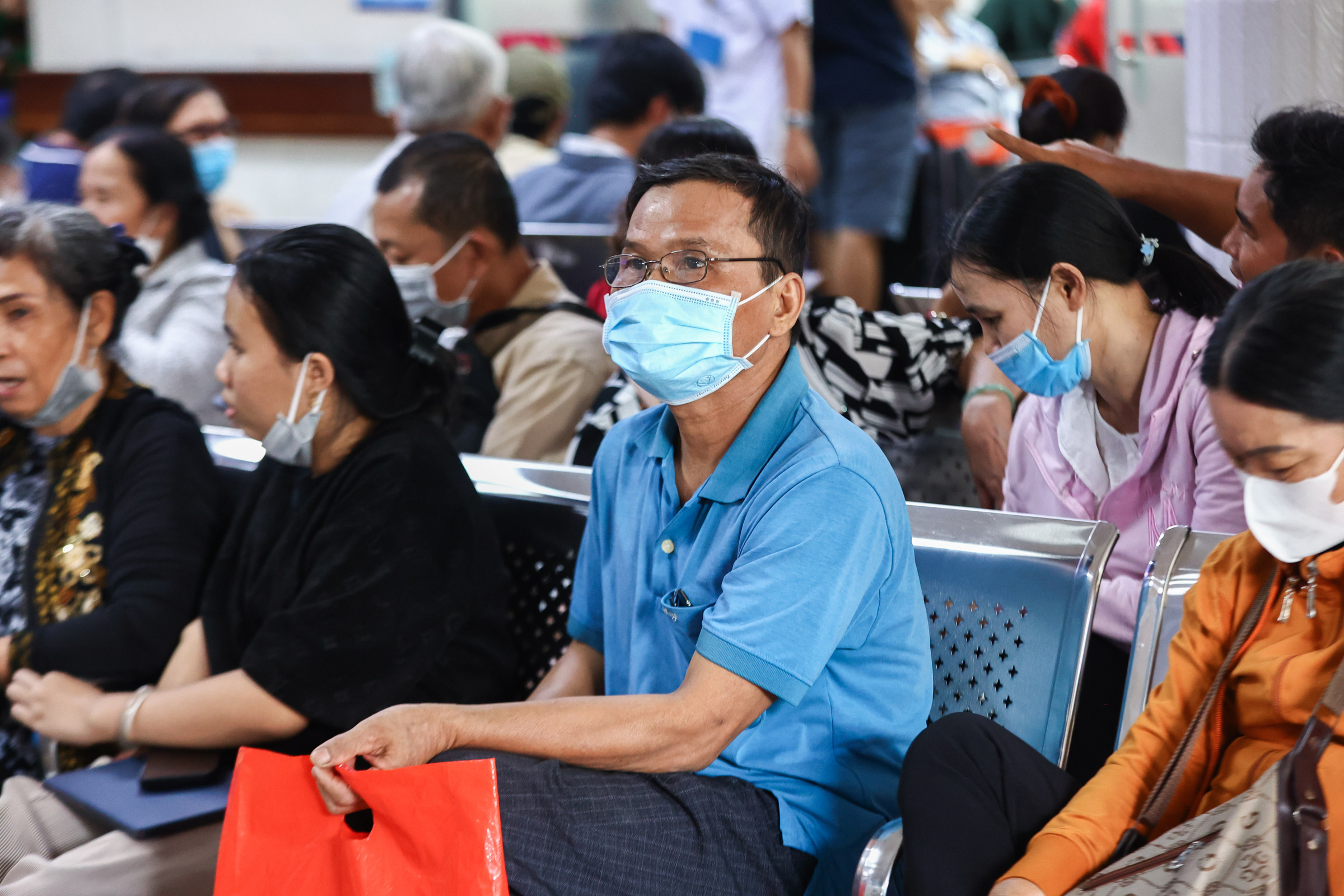 |
People waiting for examination at a hospital in Ho Chi Minh City. *Photo: Quynh Tran* |
According to Mr. Thuong, realizing this objective requires synchronized coordination from all government levels in reviewing, mobilizing residents, and organizing flexible examination points. Furthermore, a transparent financial mechanism, integrating budget, health insurance, and socialized resources, will be key to its implementation. This strategy ensures every resident receives at least one check-up in 2026 and aims for lifelong health management on a unified data platform, advancing towards comprehensive, equitable, and humane healthcare.
Ho Chi Minh City previously rolled out free health check-ups for all elderly individuals (regardless of permanent or temporary residence) starting in early 2024, following pilot programs in several communes and wards in late 2023. Nationwide, the Ministry of Health recently proposed implementing regular health check-ups or free screenings from 2026. This initiative prioritizes vulnerable groups before expanding to the entire population, as outlined in the draft decree detailing and guiding the implementation of certain articles of the Law on Disease Prevention, which is currently undergoing public consultation. This step concretizes Politburo's Resolution 72, aiming for all citizens to receive free regular health check-ups, with a goal of achieving basic free hospital fees by 2030.
Le Phuong