Dr. Yu Nengjun recently shared his journey of reversing prediabetes without medication and maintaining stable health for nearly a decade on the program "Wishing You Health," according to ST Headline on 31/1.
Dr. Yu stated that his family had a history of diabetes, and he himself had struggled with obesity. However, he only initiated significant changes when his body reached the dangerous threshold of prediabetes, with his blood sugar index (HbA1c) hitting 5.9%. Instead of relying on medication, he opted for a complete lifestyle overhaul through an eating plan called the "133 Diet Plate." This regimen emphasizes balancing nutrient ratios in each meal: one part starch, three parts green vegetables, and three parts protein.
He explained that one part starch is equivalent to about two spoonfuls of rice or noodles, three dumpling wrappers, a slice of crustless bread, or less than half a fist-sized sweet potato. The spoon used for measurement is a small plastic spoon, typically used for yogurt or snacks. Three parts green vegetables equate to about 300 grams of raw vegetables or one and a half bowls once cooked. This amount of vegetables is recommended for both lunch and dinner. Vegetables should be diverse in color and varied regularly.
For protein, Dr. Yu prioritizes soybean products or other plant-based protein sources. If consuming meat, the equivalent portion is a thick piece of meat the size of an entire palm; if eggs, the corresponding amount is three eggs. Additionally, individuals with fitness training needs can actively increase their intake.
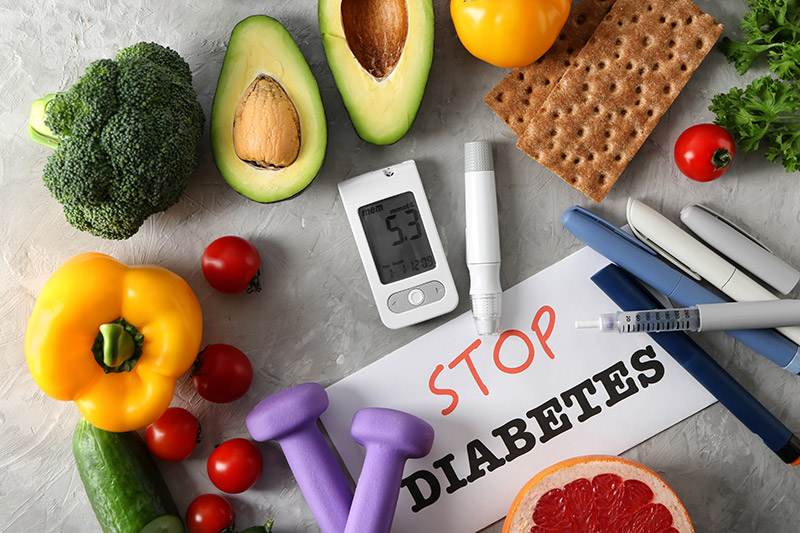 |
Illustrative photo: Whole Heart Family Medicine |
Dr. Yu emphasized that the order of eating plays a crucial role in blood sugar control. He recommends consuming protein and green vegetables first, followed by starch, to stabilize blood sugar and avoid excessive carbohydrate intake.
Regarding fruit, he advises eating three to five different types, but the total daily intake should be equivalent to a handful, and each serving should not exceed half a handful. Users should be careful to avoid overconsuming high-sugar fruits like pineapple and lychee.
Thanks to adjustments in his diet and scientific exercise, Dr. Yu successfully reduced his weight and brought his blood sugar index to a safe level of 5.6%. He has maintained this body fat percentage stably for the past 9 years.
According to the Hong Kong Hospital Authority, diabetes is a chronic metabolic disorder. High blood sugar occurs when insulin secretion is deficient or the body cannot use insulin effectively. Prolonged high blood sugar leads to impaired fat and protein metabolism, which can eventually cause severe damage to the function of many organs, including the cardiovascular system, retina, nervous system, and kidneys.
If fasting blood sugar levels range from 5.6 to under 7 mmol/L, a patient is identified as having abnormal fasting blood sugar. If post-meal blood sugar levels after two hours are between 7.8 and under 11.1 mmol/L, this is considered impaired glucose tolerance. Both of these indicators are signs of the prediabetes stage.
In addition to laboratory test results, patients should also be aware of eight early symptoms of the disease. In the initial stage, patients may experience one or more typical signs such as: dry mouth and unusually increased thirst; frequent urination; constant hunger, unexplained weight loss, easy fatigue, blurred vision, slow-healing wounds, or persistent skin itching.
Binh Minh (According to ST Headline)