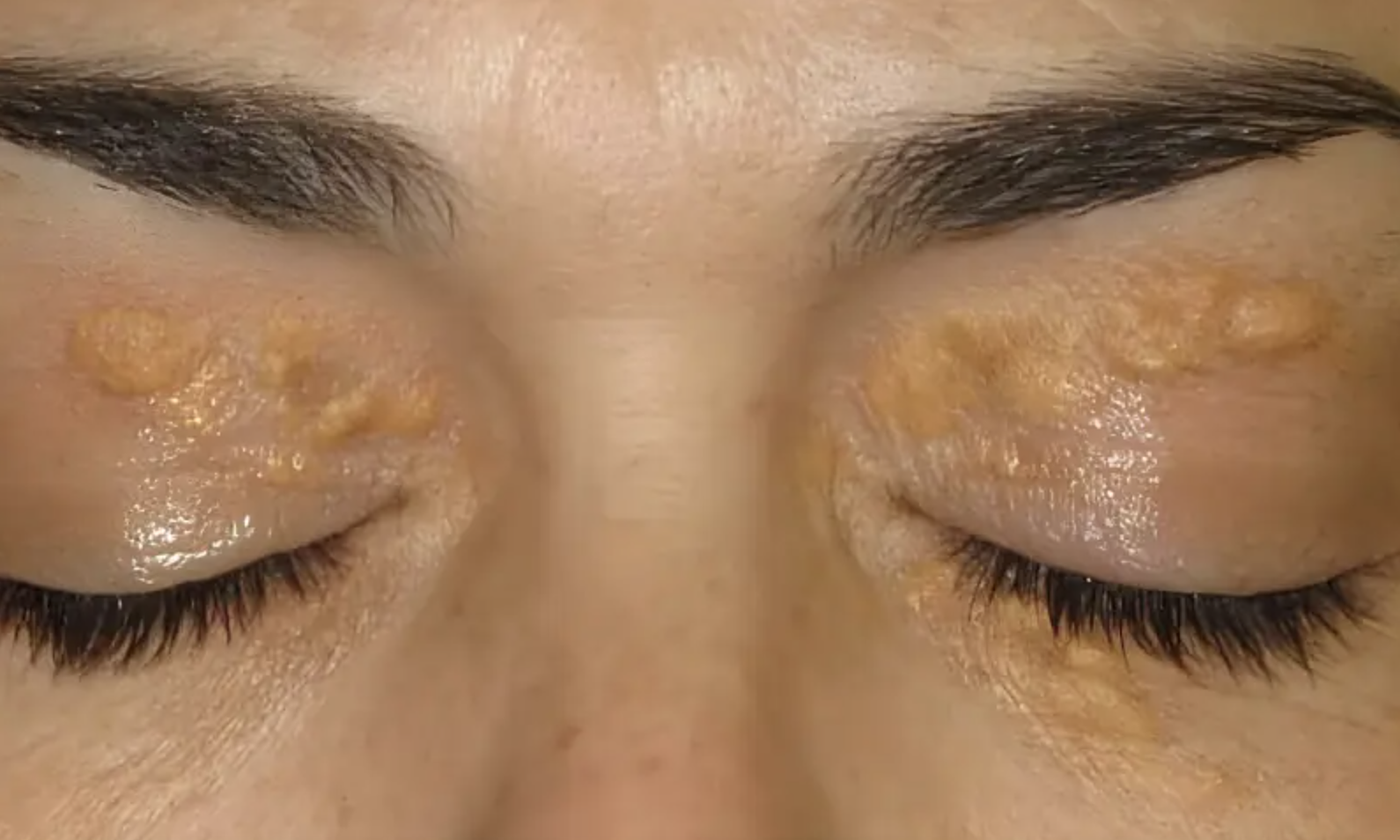
Dry eyes are a common condition affecting various age groups. While not inherently dangerous, they cause discomfort and can impact daily activities. Doctor Nguyen Duc Huy, a specialist in high-tech ophthalmology at Tam Anh Polyclinic District 7, identifies four common habits during the Tet holiday that contribute to dry eyes.
**Excessive screen time.** During the Tet holiday, many people spend hours watching television, using phones, or playing games. Prolonged screen viewing reduces blinking frequency, preventing tears from spreading evenly across the eye's surface and causing them to evaporate quickly. This often results in dry, gritty, and tired eyes, sometimes even leading to reflex tearing.
**Lack of sleep and disrupted routines.** Staying up late to watch movies, socialize, or deviating from regular schedules during Tet can lead to body fatigue and negatively affect eye health. Insufficient sleep diminishes the eyes' ability to recover and produce tears, resulting in a dry, stinging, and uncomfortable sensation, especially during prolonged visual tasks.
 |
Doctor Huy examines a woman's eyes. Photo: Tam Anh General Hospital |
**Inadequate hydration and nutrition.** Consuming excessive sweets, sugary treats, and oily, fried foods while drinking insufficient water and lacking green vegetables and fruits indirectly impacts eye health. When the body does not receive enough water and essential vitamins, particularly vitamin A, the quality and quantity of tear production decrease. This makes eyes more prone to dryness, irritation, and fatigue than usual.
**Frequent eye rubbing.** When traveling frequently in dry, dusty weather, eyes can easily become tired, itchy, or dry. Rubbing the eyes does not alleviate discomfort; instead, it can damage the corneal surface and disrupt the protective tear film. Persistent eye rubbing also exacerbates and prolongs dry eye symptoms.
Beyond these four habits, doctor Huy highlights that environmental and atmospheric factors also influence eye health and contribute to dry eyes. In some regions, cold, dry air with low humidity causes the tear film on the eye's surface to evaporate rapidly, leading to dryness, burning, and irritation. Regular exposure to incense smoke during Tet, kitchen smoke, and dust can also irritate the eye surface, causing mild burning and redness.
To prevent dry eyes, individuals should maintain a healthy lifestyle, including consistent sleep, ample hydration, and a diet rich in green vegetables. It is also advisable to limit prolonged use of phones and television, and wear protective eyewear like goggles when riding motorcycles for long distances. If unusual eye symptoms such as persistent dry eyes or eye pain occur, it is important to seek timely examination and treatment at an ophthalmology department in a medical facility or hospital.
Nhat Minh
| Readers can submit questions about ear, nose, and throat conditions here for a doctor's response. |