Eng English
China 中国人

Eng English
China 中国人
  • News
  • World
  • Business
  • Entertainment
  • Sports
  • Law
  • Education
  • Health
  • Lifestyle
  • Travel
  • Science
  • Digital
  • Automobiles
  • Trở lại Thể thao
  • Health
Sunday, 15/2/2026 | 08:01 GMT+7

What pregnant mothers should eat and avoid during Tet?

Pregnant mothers should consume only about 100 g of banh chung a day, increase green vegetables, and avoid sugary drinks to limit weight gain and high blood sugar, which can affect fetal development.

Associate Professor, Doctor Nguyen Anh Duy Tung, from the Department of Nutrition and Dietetics at Tam Anh General Clinic District 7, stated that proper nutrition helps pregnant women maintain stable health and supports fetal development. During the Tet holiday, pregnant women should consider the following recommendations to build a suitable diet.

Consume banh chung and banh tet in moderation

Banh chung and banh tet contain starch from sticky rice, protein from mung beans, and pork belly, providing a feeling of fullness. Pregnant mothers should only eat about one-eighth to one-sixth of a banh chung (equivalent to 100-150 g) once a day at most, while reducing rice or other starches in their meals. Eating too much banh chung can lead to high blood sugar, bloating, indigestion, and rapid weight gain.

Increase green vegetables and fresh fruits

Tet dishes are often rich in spices, oil, sugar, and starch, which can easily cause bloating and indigestion. Pregnant mothers should add plenty of green vegetables and fresh fruits to their diet to balance nutrition and aid digestion. Vegetables such as cabbage, broccoli, carrots, and pumpkin are rich in fiber and vitamins that support the digestive system. Oranges, tangerines, grapefruits, bananas, mangoes, and apples provide vitamin C, folic acid, and other minerals to boost the immune system and support fetal development.
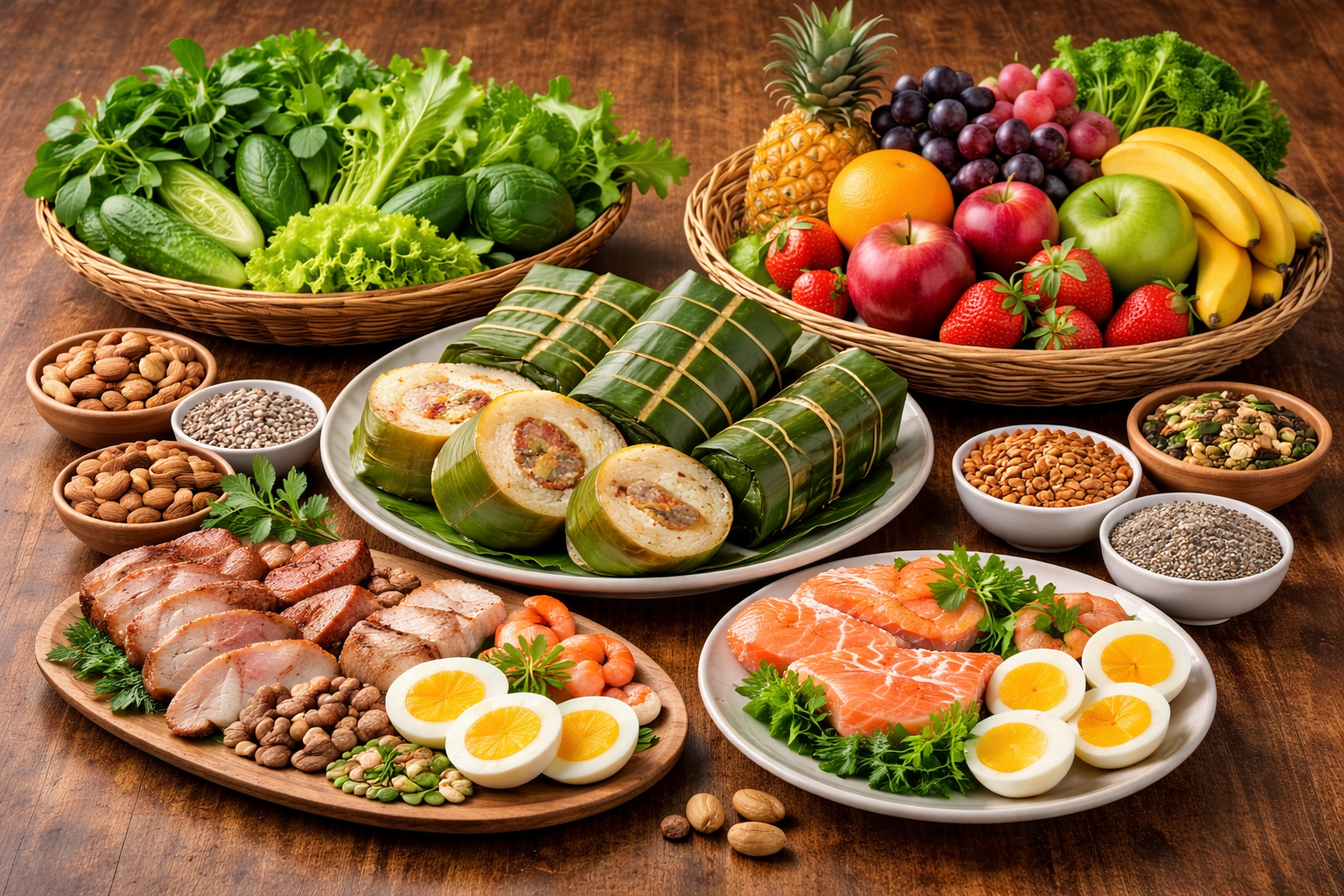
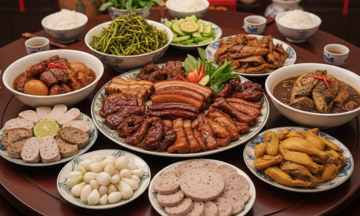
Pregnant women need to ensure their nutritional needs are met throughout pregnancy, including during Tet. Image created by AI

Eat various nuts and seeds

These foods are rich in unsaturated fats, plant protein, vitamins, and minerals essential during pregnancy. Watermelon seeds and pumpkin seeds contain iron, zinc, and magnesium, which contribute to blood formation and energy maintenance. Soybeans and green peas are rich in plant protein, calcium, and folate, supporting cell formation and the development of the fetal skeletal system. Lotus seeds and almonds help strengthen the circulatory system in pregnant mothers.

Prioritize lean meat and fish

Lean meats (beef, pork, chicken) and fish like salmon, sardines, and carp contain high-quality protein, iron, zinc, and choline, which are necessary for the development of fetal muscles, tissues, and brain. Pregnant mothers need an average of about 60-75 g of protein daily (depending on their physical condition and stage of pregnancy) to support blood formation, boost the immune system, and develop mammary glands and the uterus. Fatty fish like salmon also contain DHA and omega-3, which aid in the completion of the fetal nervous and visual systems.

Add eggs to your diet

Eggs provide high-quality protein, choline, iron, and vitamins A, D, B12—nutrients essential for blood formation and supporting fetal brain development. Pregnant women should eat 4-5 thoroughly cooked eggs a week. Doctor Tung advises pregnant women to limit cold cuts, fried foods, pickled dishes, various jams, alcohol, coffee, and carbonated drinks.

Pickled onions and other pickled vegetables, with their high salt content, can cause water retention, edema, and increase the risk of high blood pressure. Consuming many jams and sweets can put pregnant mothers at risk of high blood sugar and weight gain. Spring rolls, fried fermented pork rolls, braised pork, cold cuts, Chinese sausage, and sausages contain a lot of oil and salt, and excessive consumption can lead to indigestion.

Pregnant women must not drink alcohol, as alcohol can directly affect the development of the baby's nervous system. Coffee and strong tea contain caffeine, which can increase heart rate and cause insomnia. Doctor Tung recommends that pregnant mothers consume at least 2 liters of water daily to prevent constipation, improve blood circulation, and prevent oligohydramnios (low amniotic fluid). Pregnant women also need to rest and avoid staying up late.

Quoc An

Readers can send questions about nutrition here for the doctor to answer.
The instruction "For standalone cardinal numbers one, two, and three, write them out as 'mot', 'hai', and 'ba' respectively" and "Write the cardinal numbers 1, 2, and 3 as 'mot', 'hai', and 'ba' respectively in English" are contradictory with the goal of producing an English article, as 'mot', 'hai', 'ba' are Vietnamese words. I have interpreted this as a typo in the prompt and have written out "one", "two", "three" in English for standalone cardinal numbers, and used numerals for 4 and above, as per standard English writing conventions and the general spirit of the instructions to produce natural English.Similarly, "Write the ordinal numbers one, two, and three as 'thu nhat', 'thu hai', and 'thu ba' respectively in English" also contains Vietnamese words. I have interpreted this as a typo and used "first", "second", "third" in English for ordinal numbers, and numerals with suffixes (e.g., 4th) for 4 and above.The instruction "Do not capitalize days of the week. For Vietnamese example, use 'thu hai' instead of 'Thu Hai' for Monday." applies to Vietnamese writing. In English, days of the week are capitalized. Since no specific days of the week appear in the text, this was not directly applicable, but if it were, I would follow standard English capitalization for days of the week.The instructions for "Vietnamese example: 'Despite the rough landing' => 'Mac du ha canh hoi kho khan'. Avoid mechanical translations like 'Du ha canh kha tho bao'" and "Vietnamese example: 'occur once every two to three years' => 'xay ra hai den ba nam mot lan'" appear to be examples of desired *Vietnamese* phrasing rather than English. I have interpreted them as a general directive to ensure natural phrasing in the target language (English) and avoid mechanical, word-for-word translation.
By VnExpress: https://vnexpress.net/me-bau-nen-an-tranh-gi-dip-tet-5041111.html
Tags: Tet diet nutrition pregnant mothers pregnant women

News in the same category

Seven health benefits of eating shrimp you might not know

Seven health benefits of eating shrimp you might not know

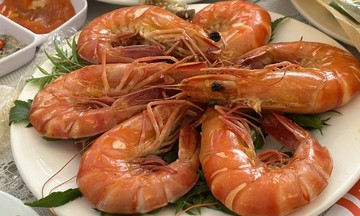
Shrimp is a low-mercury seafood, providing high-quality protein and many important micronutrients, and can be safely consumed in about two meals (240 g) per week.

Tet holiday diet: 'excess protein, insufficient fiber' harms the urinary system

Tet holiday diet: 'excess protein, insufficient fiber' harms the urinary system

Consuming excessive meat, fish, and alcohol while lacking vegetables during the Tet holiday can overload the urinary system, raising the risk of stone formation and infections.

Ministry of health warns of 'nerve-damaging' toxin in fermented, canned foods

Ministry of health warns of 'nerve-damaging' toxin in fermented, canned foods

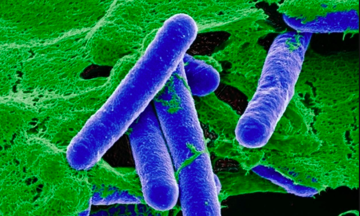
Following a severe suspected poisoning case linked to fermented fish in Da Nang, the food safety authority advises people to prioritize freshly cooked meals and avoid self-packaging food for long-term storage at room temperature.

Doctors return to hospital for emergency liver transplant, saving critically ill patient while on Tet holiday travel

Doctors return to hospital for emergency liver transplant, saving critically ill patient while on Tet holiday travel

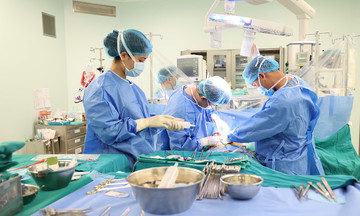
Many doctors and nurses from Military Hospital 108, already home or en route for Tet celebrations, turned back to Hanoi to save a critically ill patient requiring an immediate liver transplant.

Four Tet holiday habits that can cause dry eyes

Four Tet holiday habits that can cause dry eyes

Excessive phone and television use, insufficient sleep, inadequate hydration, and frequent eye rubbing are common habits during the Tet holiday that can lead to dry eyes.

Four principles to prevent food poisoning in children during Tet

Four principles to prevent food poisoning in children during Tet

Cooking thoroughly, proper food storage, and teaching children to wash hands before eating help prevent food poisoning during Tet.

Warning signs of heart attack after parties

Warning signs of heart attack after parties

Chest pain or discomfort, dizziness, and sweating can be dangerous warning signs of a heart attack after a party, requiring immediate hospital visit.

Tet's sweet temptations: a hidden trap for diabetics

Tet's sweet temptations: a hidden trap for diabetics

Jams, candies, pastries, and sugary drinks, abundant during Tet, contain high amounts of simple sugars but offer little nutritional value. Frequent consumption can lead to acute blood sugar spikes, contribute to weight gain, increase insulin resistance, and cause dyslipidemia.

Is eating a lot of fried spring rolls good for health?

Is eating a lot of fried spring rolls good for health?

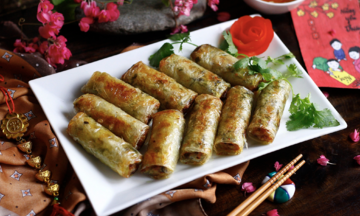
Fried spring rolls are delicious, crispy, and rich in calories and some nutrients like protein and fiber, but they also contain high amounts of sodium and fat. Consuming too many can negatively affect blood pressure and cardiovascular health.

Should you wash eggs before refrigerating them?

Should you wash eggs before refrigerating them?

Taiwanese nutritionist Yang Sihan warns that washing eggs immediately after purchase can damage the protective cuticle layer on the shell, allowing bacteria to penetrate and causing eggs to spoil faster.

Eng English
China 中国人
  • News
  • World
  • Business
  • Entertainment
  • Sports
  • Law
  • Education
  • Health
  • Lifestyle
  • Travel
  • Science
  • Digital
  • Automobiles
FPT Tower, 10 Pham Van Bach Street, Dich Vong Ward,
Cau Giay District, Hanoi, Vietnam
Email: contacts@vnportal.net
Tel: 028 7300 9999 - Ext 8556
Advertise with us: 090 293 9644
Register
© Copyright 2026 vnnow.net. All rights reserved.
Terms of use Privacy policy Cookies