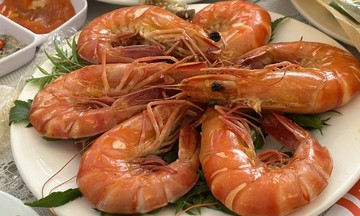
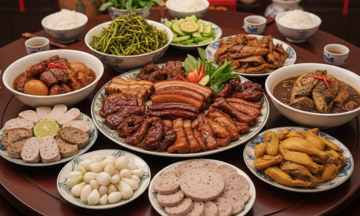
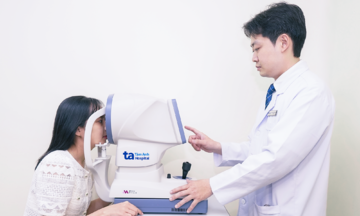
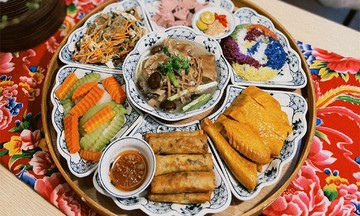
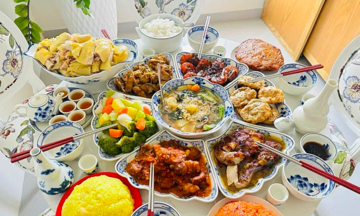
During the Tet holiday period, many people frequently attend parties and consume more alcohol than usual. Excessive alcohol consumption can increase the risk of myocardial infarction and stroke. Dr. Pham Hoang Trong Hieu, from the Interventional Cardiology Center at Tam Anh General Hospital, Ho Chi Minh City, explains that drinking too much alcohol in a short period causes a sudden increase in blood pressure, a rapid heartbeat, and oxygen deprivation in the brain. Prolonged sitting at parties leads to poor blood circulation, fostering the formation of blood clots. If these clots travel to the brain, they can cause a stroke; if they reach the heart, they can cause a myocardial infarction.
Below are the warning signs of a heart attack after a party.
Chest pain or discomfort
Patients may experience chest tightness or pain, ranging from mild to severe, lasting several minutes before subsiding. Some also describe a feeling of pressure, fullness, burning, or heaviness in the chest. This pain and discomfort can spread to other areas such as the arms, back, neck, jaw, and epigastric region (above the navel).
Shortness of breath, breathlessness
When the heart muscle lacks sufficient blood, the heart cannot pump enough blood to other organs, including the lungs. This results in shortness of breath, not only during physical activity but also at rest.
Sweating, dizziness
Along with chest pain, patients may experience blurred vision, dizziness, and profuse sweating. These signs are often mistaken for other conditions such as vestibular disorders, migraines, or fatigue.
Bloating, abdominal distension
Most cases of myocardial infarction include abdominal discomfort. Many patients experience bloating and heartburn, mistakenly attributing these to stomach problems rather than a serious condition like angina.
Abdominal pain, nausea
Nausea results from pressure in the abdominal blood vessels stimulating the stomach and intestines, causing nausea, abdominal pain, and vomiting. This symptom is frequently confused with digestive system illnesses, causing patients to overlook angina and miss the "golden hour" for early detection of a heart attack.
Palpitations, restlessness
During angina, the heart beats faster than normal, leading to feelings of palpitations, restlessness, excessive anxiety, and sometimes fatigue or exhaustion.
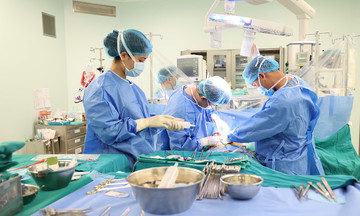
For stable angina, doctors treat with medications that enhance blood flow in the coronary arteries, such as nitrates and calcium channel blockers, to ensure adequate blood and oxygen supply for normal heart muscle function. Doctors may also prescribe medication for other underlying conditions and risk factors like hypertension, dyslipidemia, and diabetes. If angina is due to severe coronary artery narrowing, patients may be considered for stent placement or bypass surgery to revascularize the blocked blood vessels.
During the Tet holiday period, a diet high in protein, fat, and alcohol, coupled with an irregular lifestyle, can increase the risk of angina—a warning sign of myocardial infarction or other cardiovascular issues. Dr. Hieu recommends limiting alcohol, avoiding smoking, following a low-sodium diet, reducing animal fat and organ meats, and increasing intake of green vegetables, fruits, and whole grains. He also advises maintaining light exercise for at least 30 minutes daily, controlling blood pressure, blood sugar, and blood lipids, and proactively undergoing health check-ups for early risk detection, especially for those with underlying cardiovascular conditions.
Thu Ha
| Readers can send questions about cardiovascular health here for doctors to answer. |