Fried spring rolls are primarily made from two components: a wrapper crafted from wheat flour and a filling that blends ingredients such as eggs, pork, shrimp, carrots, scallions, and spices. Beyond the traditional variety, there are numerous variations, including vegetarian options with vegetable fillings or those using poultry and seafood to suit different tastes.
Nutritional information
The calorie content and other nutrients in fried spring rolls can vary based on size and filling type. Generally, one fried spring roll (89 g) provides the following:
Calories: 222
Protein: 7,37 g
Fat: 10,6 g
Carbohydrates: 24,3 g
Fiber: 2,3 g
Sodium: 417 mg
Advantages
Good source of fiber
Adults should consume 25-38 g of fiber daily. Based on a 2,000-calorie diet, one fried spring roll can be a good source of fiber, providing 8% of the daily value (DV) the body needs. Fiber offers numerous benefits, including promoting satiety, supporting regular bowel movements, and reducing the risk of colorectal cancer and heart disease.
Rich in protein
One 89 g fried spring roll provides 14% of the DV for protein. Protein is an essential nutrient vital for cell growth, maintenance, and repair, as well as for building enzymes and hormones.
 |
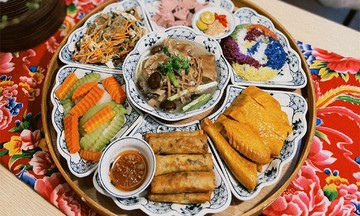
Fried spring rolls with vegetable fillings can be a good source of fiber. Photo: Bui Thuy.
Disadvantages
While fried spring rolls are delicious and offer some nutritional benefits, they also pose certain risks.
High in sodium
One 89 g spring roll contains 417 mg of sodium, accounting for 18% of the recommended daily intake of 2,300 mg. Excessive sodium consumption can increase the risk of high blood pressure.
Rich in saturated fat and starch
Fried spring rolls are not considered a healthy choice due to their relatively high saturated fat content. One 89 g spring roll already provides nearly 9% of the recommended daily saturated fat intake. According to the 2020-2025 Dietary Guidelines for Americans, saturated fat should not exceed 10% of total daily energy—a limit easily surpassed by consuming more than one spring roll.
High intake of saturated fat is linked to an increased risk of coronary heart disease, diabetes, and other chronic illnesses. Individuals with diabetes should also be mindful of the starch content in fried spring rolls to better manage blood sugar levels.
How to choose healthier fried spring rolls
While not a highly nutritious dish, fried spring rolls do not need to be eliminated from your diet if consumed in moderation. Instead of purchasing them ready-made from restaurants or as frozen products, you can prepare them at home to control ingredients and portion sizes.
When cooking at home, you can choose thin or thick wrappers as preferred, prioritize lean meat or seafood, and adjust seasonings to your family's taste. To limit oil and fat, consider baking instead of deep-frying; however, the wrapper will not be as crispy and airy as when traditionally fried.
You can also be more flexible with dipping sauces. Many pre-packaged sauces contain high amounts of sugar, salt, and calories. Therefore, consider making your own or choosing products with healthier ingredients.
Bao Bao (According to Healthline)