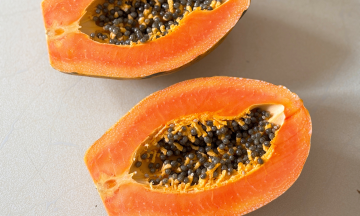
Elevated blood sugar levels are not exclusive to individuals with diabetes. Those with a family history of diabetes face an increased risk of high blood sugar. According to Verywell Health, daily diet and lifestyle are common contributing factors.
Artificial sweeteners: Certain artificial sweeteners can impact insulin sensitivity or alter gut bacteria, affecting blood sugar regulation in some people.
Alcohol: Heavy alcohol intake can disrupt the liver's glucose regulation and impair insulin response.
Coffee: Some individuals are particularly sensitive to caffeine, leading to increased blood sugar even when consuming unsweetened coffee.
Lack of sleep: Even one night of poor sleep can disrupt insulin sensitivity, making blood sugar control more challenging.
Skipping breakfast: This can lead to significantly higher blood sugar after lunch and dinner.
 |
Lack of sleep reduces insulin sensitivity and makes it harder for the body to control blood sugar. *Ngoc Pham*.
Dehydration: Insufficient body water leads to more concentrated blood sugar.
Sunburn: Sunburn, a physical injury, stresses the body and can cause blood sugar to spike.
Carbohydrates: Excessive carbohydrate intake can cause sudden blood sugar spikes. Refined carbohydrates, like bread and sugary cereals, are common culprits.
The American Medical Association (AMA) notes that foods do not necessarily need to be sweet to cause a blood sugar spike. For example, a starchy bagel can raise blood sugar higher than a sweet donut.
Nasal sprays: Some nasal sprays contain chemicals that stimulate the liver to produce more sugar.
Stress: In addition to physical stress, mental or emotional stress can also increase blood sugar. Chronic stress leads to increased cortisol release, which then reduces insulin secretion.
According to Yale Medicine, most high blood sugar cases are asymptomatic unless severe and prolonged. However, some individuals might experience anxiety due to a rapid heartbeat and difficulty concentrating.
Depending on severity, individuals with non-diabetic high blood sugar may experience symptoms such as: headaches, increased thirst or hunger, frequent urination, fatigue, blurred vision, rapid heartbeat, itchy skin, mood swings, numbness, burning, or tingling in the extremities. Some cases may also involve increased susceptibility to infections, slow wound healing, or unexplained weight loss.
Quickly lowering blood sugar depends on its cause. If it is due to an illness or medication, stopping the medication or treating the illness will reduce blood sugar.
If high blood sugar is food-related, no food or drink has been proven to lower it instantly. However, blood sugar can improve over time by limiting sugary drinks, sweets, starchy foods, and processed foods.
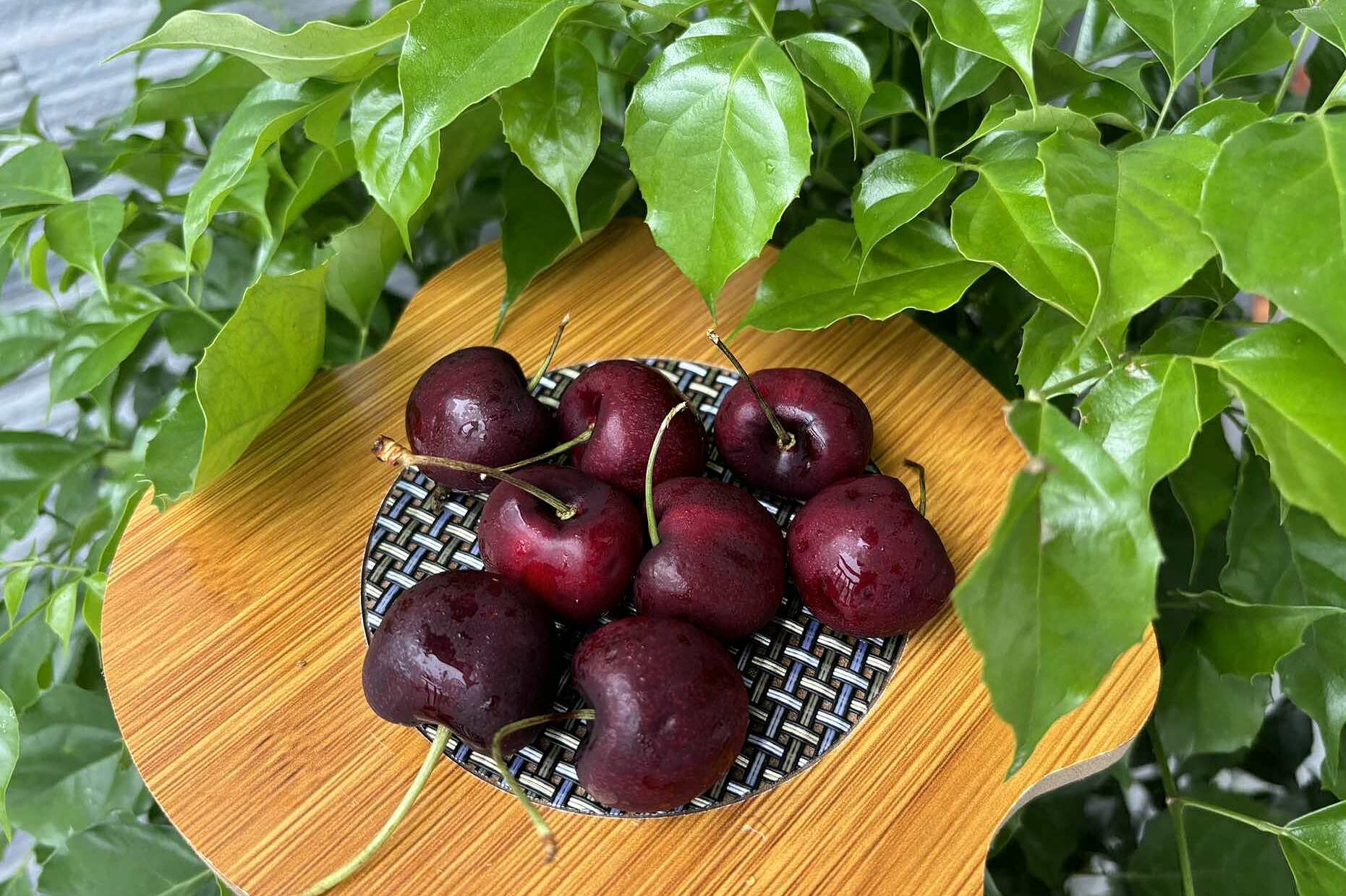 |
Berries have the lowest sugar content among fruits. *Bao Bao*.
Prioritize lean protein from meat, chicken, fish, tofu, eggs, low-fat dairy, and legumes. Increase fiber from leafy greens and low-starch vegetables like broccoli, cauliflower, green beans, tomatoes, and bell peppers.
Include nuts such as almonds, walnuts, chia seeds, flax seeds, pumpkin seeds, and sunflower seeds. Prioritize berries for their fiber content and low sugar. Replace sugary drinks with water, milk, or calorie-free beverages to aid blood sugar control.
Anh Ngoc (Compiled)