Dry eyes occur when the eyes do not produce enough tears or when tears evaporate too quickly. This condition can cause gritty, burning, stinging sensations and temporary blurry vision. In addition to treatment prescribed by a doctor, several daily habits can help improve these symptoms.
Warm compresses
Applying a warm towel to your eyes for about 5-10 minutes each day can soften clogged secretions in the eyelid's oil glands. Afterward, gently massage your eyelids to promote better oil flow, which helps stabilize the tear film and alleviate dry eyes. If your eyes have excessive discharge or crusty lid margins, you should also clean your eyelids with warm water or a specialized lid cleansing product.
Blink more frequently
When working with computers or using phones, many individuals unconsciously blink less than usual. This causes tears to evaporate rapidly, leading to dry, gritty, and tired eyes. Therefore, make a conscious effort to blink slowly and fully while working, especially when looking at screens continuously.
Drink enough water
Dehydration can exacerbate dry eye symptoms. Maintaining adequate hydration daily helps the body produce tears and supports the normal function of eye tissues. Beyond plain water, you can also increase your fluid intake from fruits, vegetables, and low-sugar beverages.
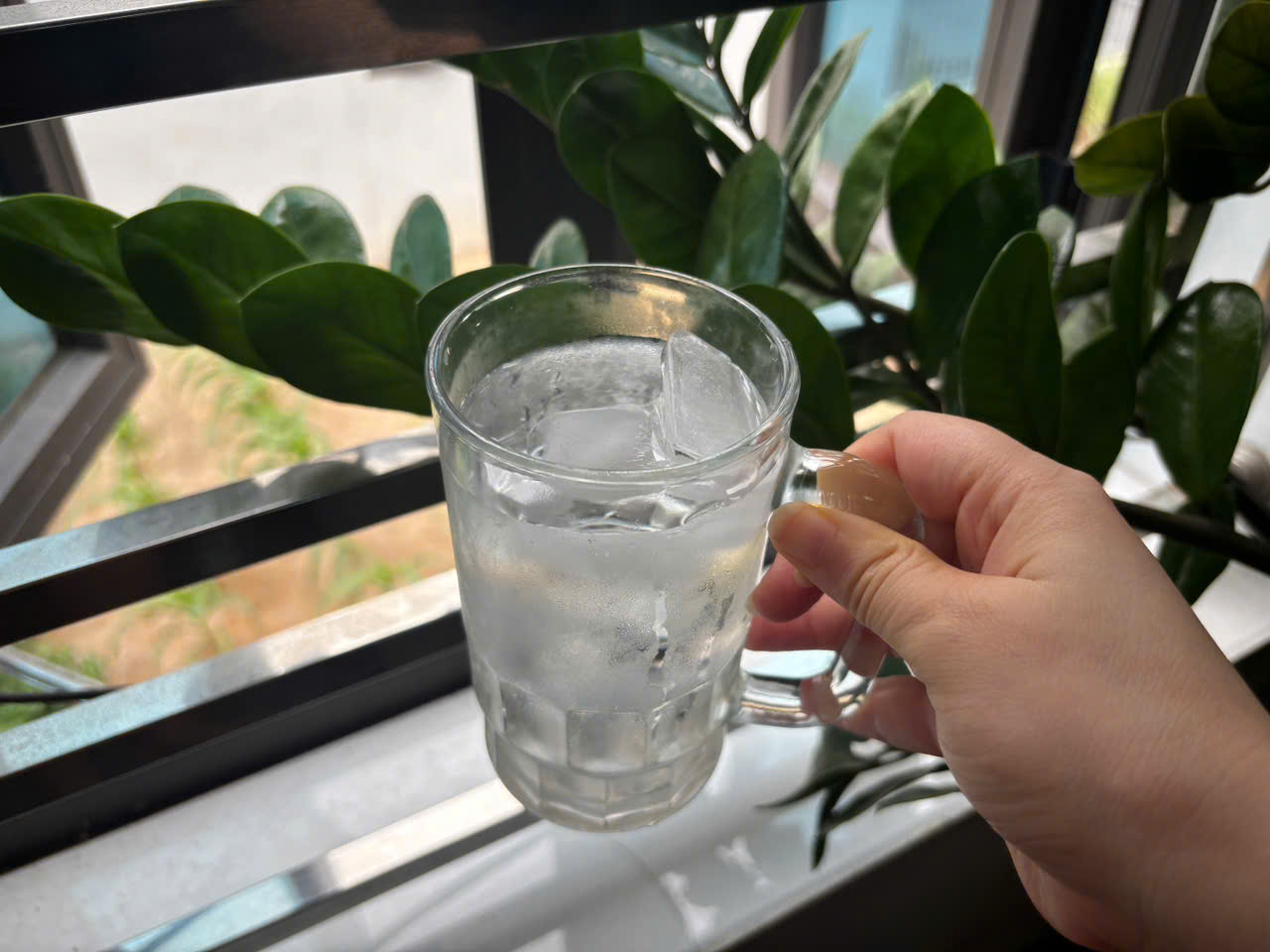 |
Drinking enough water helps reduce dry eye symptoms. Photo: Bao Bao
Rest your eyes with the 20-20-20 rule
Experts recommend adopting the 20-20-20 rule to reduce eye strain and dry eyes when using electronic devices. This involves looking at an object approximately 20 feet (6 m) away for at least 20 seconds every 20 minutes of screen time. Changing your focal point allows your eyes to relax, encourages more frequent blinking, and helps reduce dry eyes.
Use artificial tears correctly
Artificial tears can supplement moisture on the eye surface and alleviate dry, burning, and gritty sensations. If you only need to use eye drops a few times daily, standard products may suffice. However, if more frequent application is necessary, prioritize preservative-free types to minimize the risk of irritation. If dry eyes persist or if regular eye drop use does not bring improvement, consult an eye specialist to determine the underlying cause.
Limit direct wind exposure to eyes
Airflow from fans, air conditioners, heaters, or hair dryers can accelerate tear evaporation, making eyes dry and uncomfortable. If you are in a windy or dry environment, adjust the airflow direction to avoid it blowing directly into your face. When outdoors, particularly on windy or sunny days, wear glasses to protect your eyes.
Increase room humidity
Dry air, especially in air-conditioned rooms, can worsen dry eye symptoms. Using a humidifier or placing a bowl of water in the room can help increase air humidity. Additionally, avoid smoking and limit exposure to secondhand smoke, as these factors can irritate and further dry the eyes.
Bao Bao (Compiled)
| Readers can send questions about ophthalmological conditions here for doctors to answer. |