 |
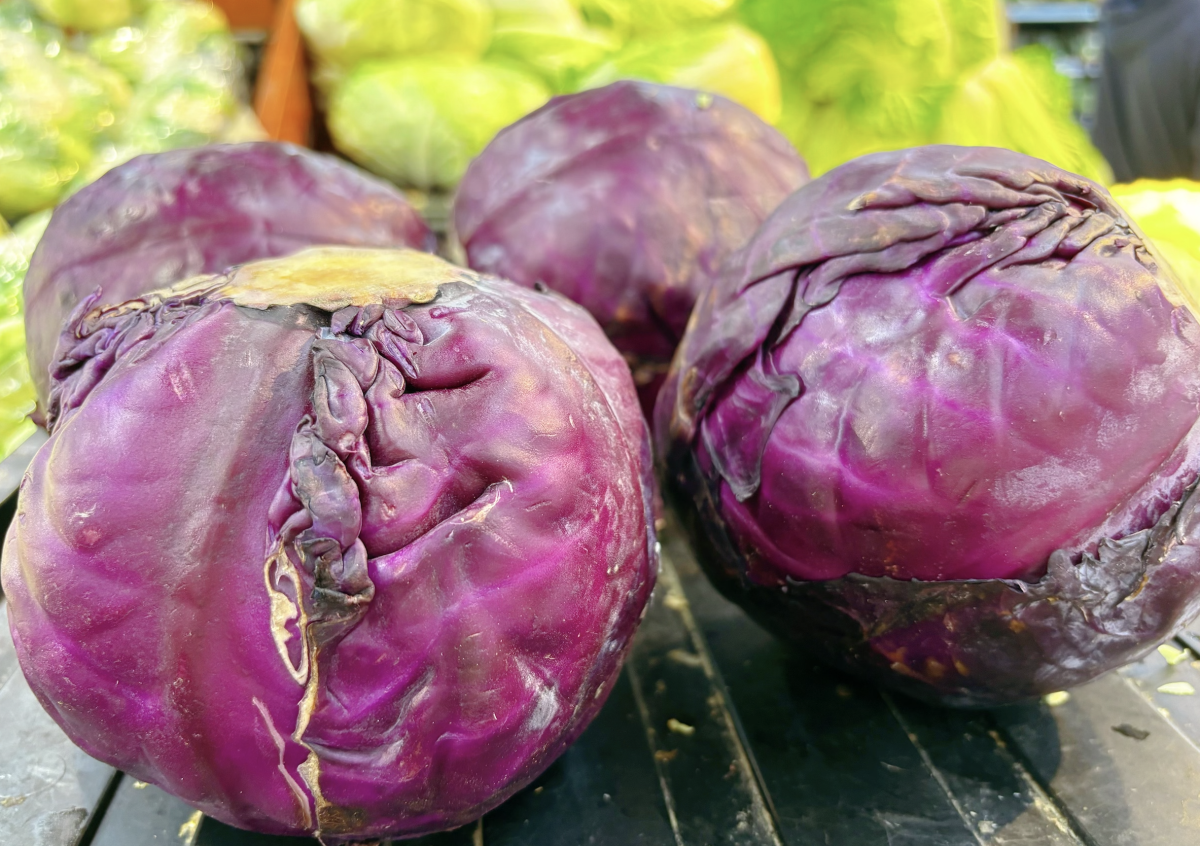
Purple cabbage is a rich source of potassium. A 178 g serving meets nearly 9% of the recommended daily potassium intake. Potassium balances sodium's effects, promotes sodium excretion through urine, and supports vasodilation, aiding blood pressure control.
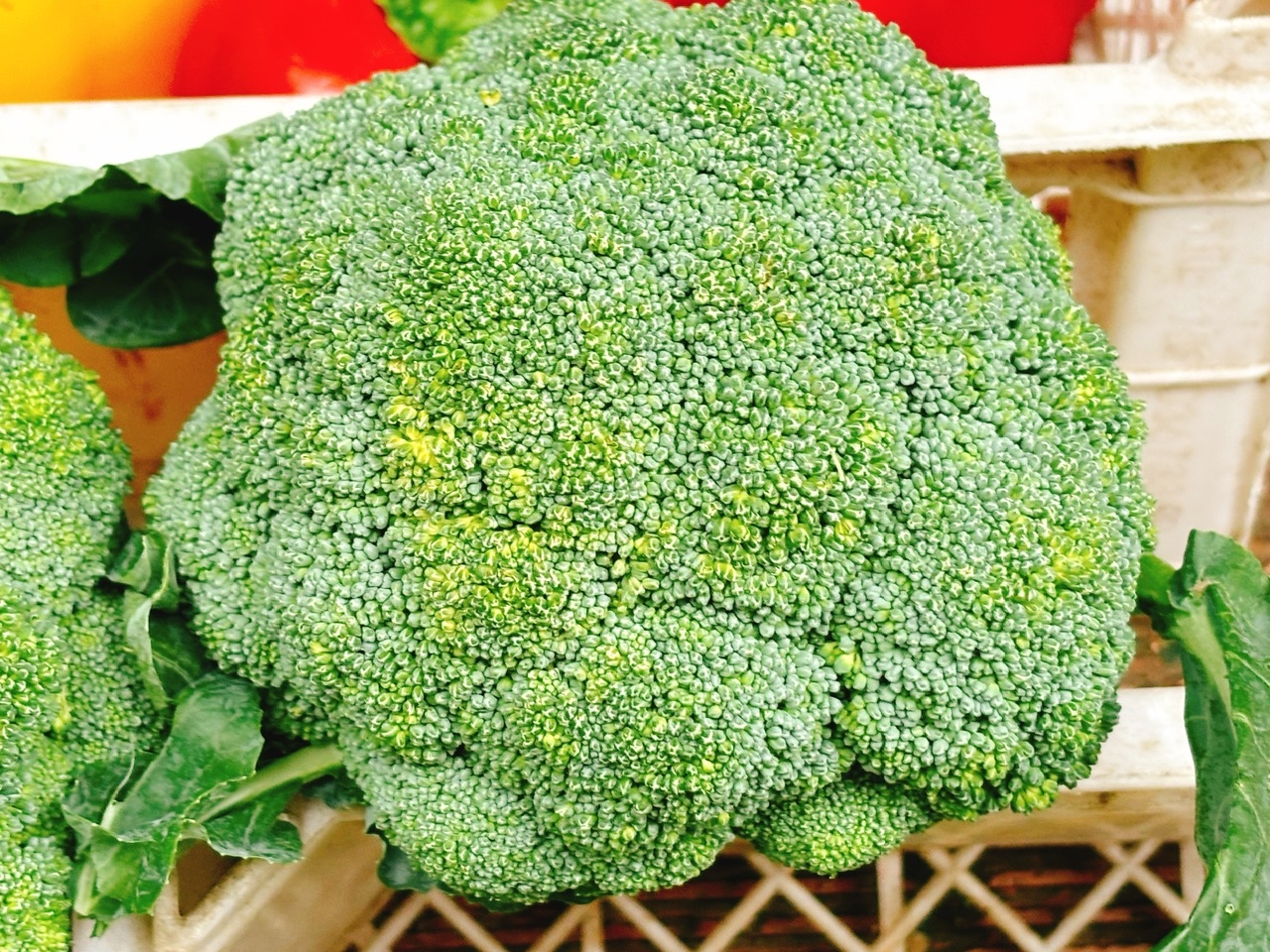 |
Broccoli, a cruciferous vegetable, contains nitrates and antioxidants. Once in the body, nitrates convert into nitric oxide, which dilates blood vessels, improves blood circulation, and helps lower blood pressure.
Its antioxidants also improve vascular function, promoting easier blood flow.
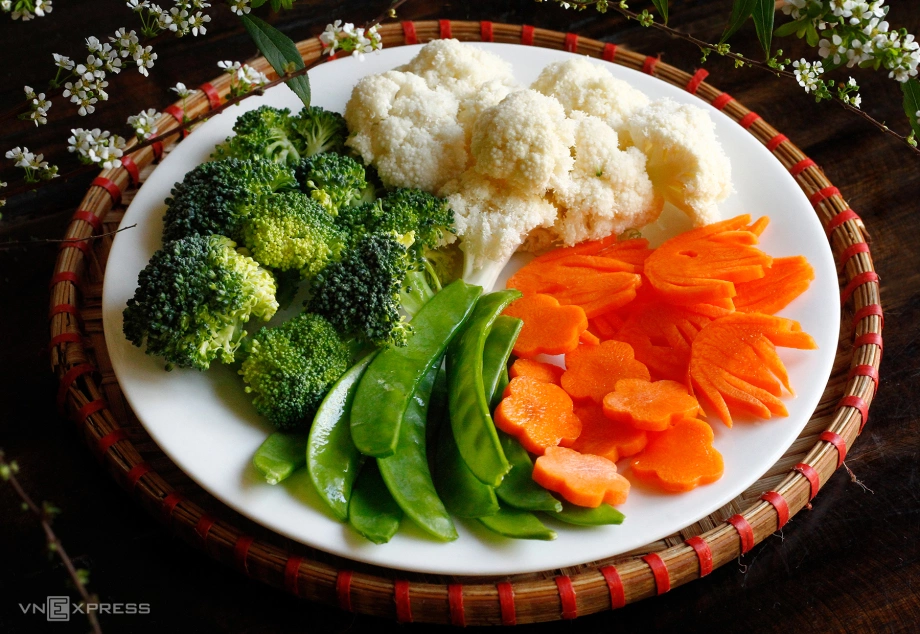 |
Carrots are a convenient snack, rich in antioxidants, vitamins, and minerals that can help manage blood pressure. Enjoy them as a snack or add them to salads, soups, and stir-fries.
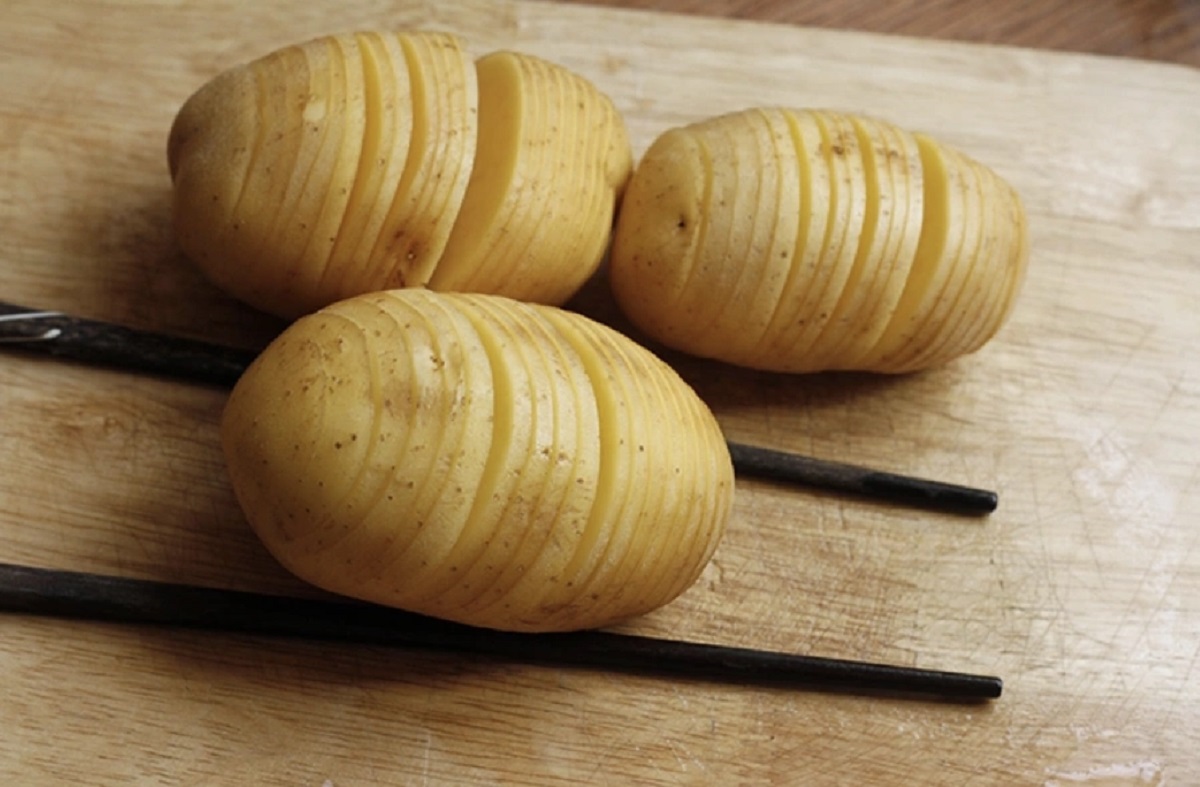 |
Potatoes are rich in starch and can be prepared in various ways, such as boiling, baking, or pan-frying. They provide abundant potassium, and their skin is a good source of fiber. Individuals with high blood pressure can consume boiled, baked, or pan-fried potatoes to help manage their readings.
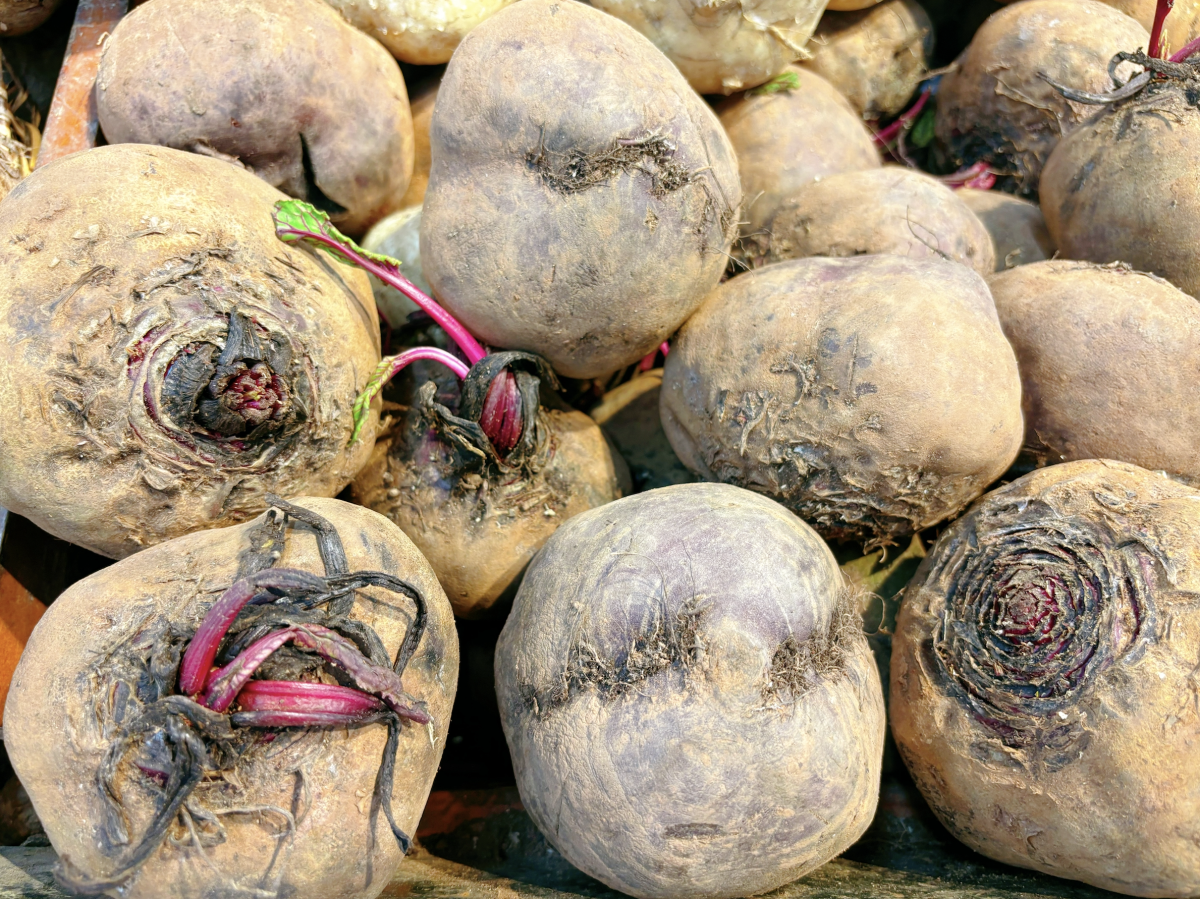 |
Beetroot contains natural nitrates, compounds the body converts into nitric oxide, which dilates blood vessels and improves blood circulation. You can drink one glass of beetroot juice daily, add beetroot to salads, or use it as a side dish with main meals. A serving is equivalent to about one cup of raw, cooked, or juiced beetroot.
Bao Bao (Compiled)
Photos: Bao Bao, Bui Thuy, AI