High humidity during rainy weather does not mean the skin does not need moisturizing. In reality, environmental humidity does not solely determine the skin's water content. The skin's protective barrier helps limit water loss, while air conditioning and temperature fluctuations can impact its ability to retain moisture.
Pharmacist Do Xuan Hoa, from the Medical Information Center at Tam Anh General Hospital Ho Chi Minh City, states that instead of increasing or decreasing moisturizing based on weather, it is essential to maintain a routine suitable for one's skin condition, considering the application time, amount used, and moisturizer texture.
Apply moisturizer immediately after cleansing
After washing the face or using a toner, apply moisturizer while the skin is still slightly damp. There is no need to wait until the skin surface is completely dry. Gently pat the skin with a soft towel to remove excess water, then apply the product within a few minutes.
Moisturizer creates a protective layer on the surface, limiting water evaporation and maintaining skin moisture. Applying it while the skin is damp also helps the product spread more easily, preventing the need for excessive massaging on dry, tight skin.
After cleansing, a toner can be used if needed, followed by moisturizer on slightly damp skin to retain water and limit moisture loss. During the day, it is advisable to combine this with sunscreen to protect the skin from UV rays.
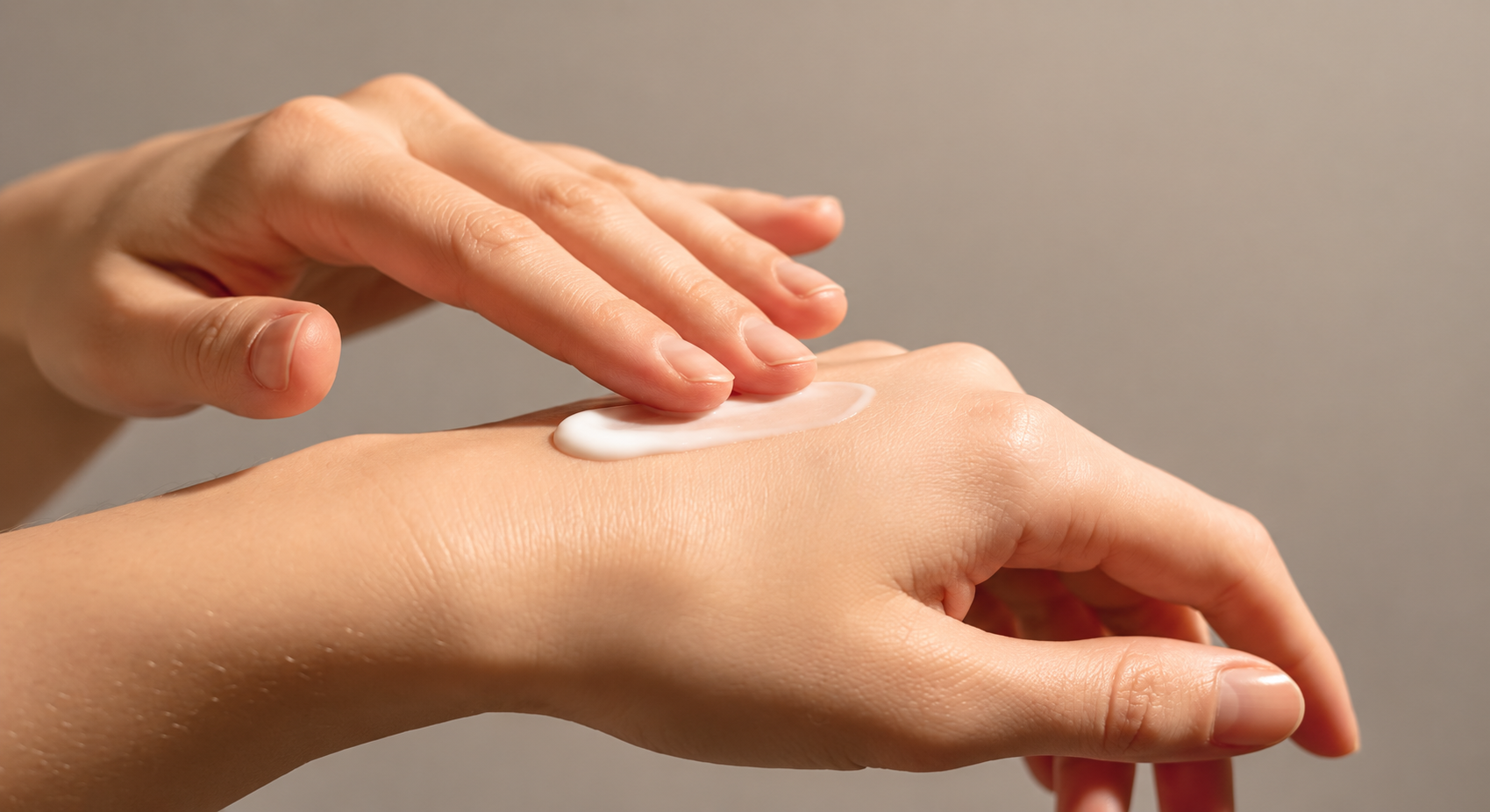 |
Regular moisturizing helps skin maintain elasticity and firmness. Photo created by AI. |
Choose moisturizer according to skin type
Oily skin does not mean it is adequately hydrated. When lacking water, the skin increases oil production, leading to a greasy feeling. Individuals with oily skin should prioritize gel or lightweight moisturizers that are easy to spread and feel breathable.
Dry skin typically requires higher moisture retention. Cream-based moisturizers with a rich texture can be chosen, especially for commonly dry areas like the cheeks.
People with combination skin can use lightweight products on the T-zone and apply more cream to drier areas. For sensitive skin, prioritize products with simple formulas suitable for the skin condition and avoid changing too many products simultaneously.
Use an adequate amount
Moisturizer should be used in an adequate amount to create a thin, even layer on the skin. Take a suitable amount of product, dot it onto the forehead, cheeks, nose, and chin, then gently spread it evenly.
There is no need to apply an overly thick layer to enhance moisturizing effectiveness. For oily skin or in hot, humid weather, too much cream can make the face feel heavy, greasy, and uncomfortable.
During rainy weather or high humidity, adjust the amount and texture of moisturizer according to your skin's condition. If your skin remains soft, without tightness or flaking, you can maintain a light moisturizing layer. If the skin is dry and flaky, increase its moisturizing capability rather than relying solely on environmental humidity.
Pharmacist Hoa explains that proper moisturizing is not complicated but requires the right timing and products. Beyond topical moisturizing, maintaining a diverse, nutritious diet and drinking sufficient water, even during the rainy season, is crucial for skin hydration. Regularly supplementing with essences such as sakura (from cherry blossoms), pomegranate (pomegranate extract), l-glutathione, collagen, and p.leucotomos (from ferns) can stimulate the production of collagen, elastin, and natural moisturizing components in the skin, helping it become brighter, smoother, and plumper.
Dinh Dieu
| Readers can send questions about dermatology - skin aesthetics here for doctors to answer. |