Dr. Tra Anh Duy, a specialist doctor level 2 at Men's Health Center, noted that many men fear long-term vegetarian diets may lower testosterone, impair sexual function, or affect sperm quality. However, there is currently no conclusive evidence that a vegetarian diet inherently increases or decreases semen quality, sex hormones, or fertility.
The more critical concern lies in whether the diet is nutritionally sufficient and balanced.
Zinc, B12, and protein deficiencies are the real issues
Zinc plays a role in various processes related to testicular and reproductive function. Vegetarians must pay close attention to zinc intake because zinc found in beans, whole grains, and nuts often contains phytate, a compound that reduces zinc absorption. Proper soaking, fermentation, and preparation methods can enhance the body's ability to absorb zinc.
Vitamin B12 is primarily found in animal products. Therefore, strict vegetarians need to supplement B12 through fortified foods or appropriate supplements. Prolonged B12 deficiency can lead to fatigue, anemia, and neurological symptoms.
Some studies have observed a link between low B12 levels and certain semen or testosterone abnormalities, but results remain inconsistent. Consequently, B12 should not be regarded as a "sperm tonic"; supplementation is only necessary when there is a risk or an existing deficiency.
Adequate protein intake is also essential. A monotonous vegetarian diet, primarily consisting of rice, noodles, vegetables, or processed foods, can lead to deficiencies in both protein and energy. Prolonged energy deficiency may reduce testosterone levels and impact the reproductive system's function.
According to Doctor Duy, when encountering long-term vegetarian men experiencing fatigue, decreased libido, or difficulty conceiving, he does not necessarily advise them to abandon their vegetarian diet. Instead, he conducts a comprehensive evaluation of their diet, weight, muscle mass, and sources of protein, B12, and zinc. Simultaneously, he checks semen quality, testosterone levels, and other contributing factors such as sleep, stress, alcohol consumption, smoking, or any underlying testicular conditions.
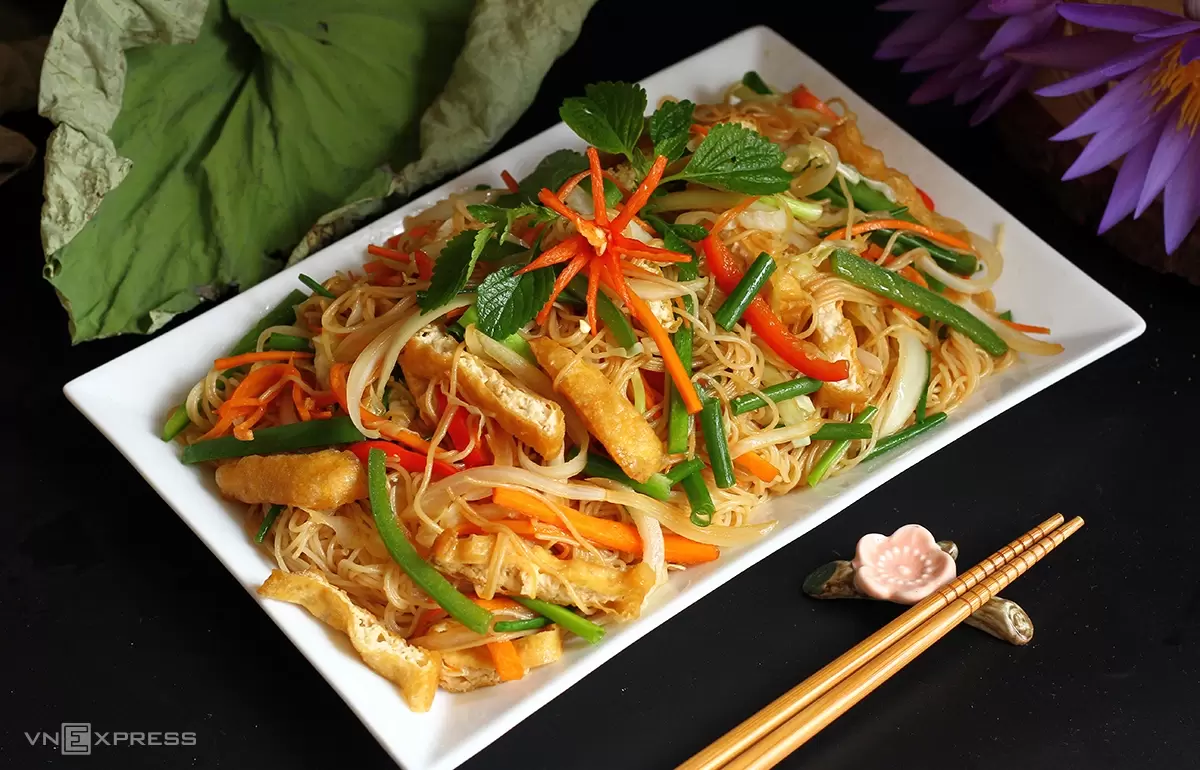 |
Vegetarian dish. *Photo: Bui Thuy* |
Soy does not "demasculinize"
A common misconception suggests that men who consume large amounts of tofu or soy milk will experience reduced testosterone levels due to plant estrogens.
Doctor Duy states that meta-analyses of clinical studies indicate soy and isoflavones do not significantly alter total testosterone, free testosterone, or other important reproductive hormones in men. Therefore, there is no need to eliminate soy products solely due to concerns about impacting "masculinity".
Beans, tofu, tempeh, soy milk, nuts, and grains can provide protein for vegetarians when consumed in varied and sufficient quantities. Strict vegetarians also need to monitor other nutrients such as iron, vitamin D, omega-3, and overall energy intake.
Doctor Duy advises vegetarian men experiencing reduced libido, persistent fatigue, decreased muscle mass, or abnormal semen while trying to conceive to evaluate their diet and check for potential nutritional deficiencies. This approach is preferred over self-prescribing numerous supplements or hastily reverting to meat consumption.
Le Phuong