Hypertension is a leading risk factor for cardiovascular disease, often progressing silently for extended periods. Persistently high blood pressure places sustained stress on blood vessel walls and overworks the heart, increasing the risk of atherosclerosis and heart damage.
Dr. Doan Vinh Binh, from the Medical Information Center at Tam Anh General Hospital, TP HCM, outlines simple methods to maintain stable blood pressure.
Reduce salt and limit sugar intake
Consuming too much salt increases sodium intake, leading to fluid retention and elevated blood pressure. Therefore, reduce salt during cooking, limit added seasonings at the table, and control intake of high-sodium foods such as canned goods, processed meats, instant noodles, and dipping sauces.
Individuals should avoid sugar from foods like confectionery, soft drinks, and other sugary beverages. Controlling sugar intake helps prevent excess energy, supports weight management, and reduces adverse factors for cardiovascular health.
 |
Regular general check-ups, blood pressure, and cardiovascular screenings help proactively prevent disease. *Hospital provided photo*
Increase vegetables, fruits, and maintain a healthy weight
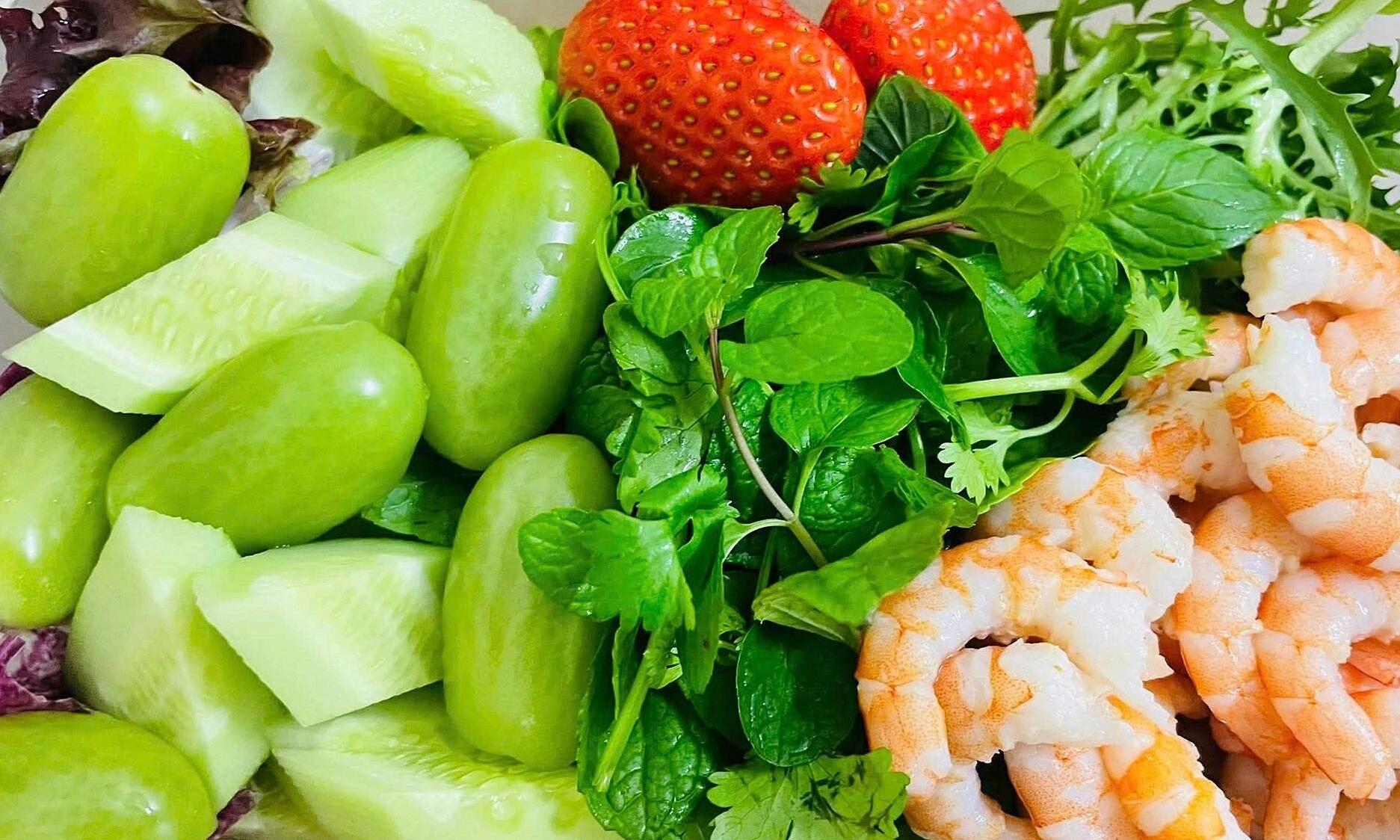
Vegetables and fruits provide fiber, potassium, and numerous nutrients beneficial for heart health. Increasing these foods while reducing saturated fats, sugar, and salt helps create a blood pressure-friendly diet.
Overweight and obesity increase the burden on the cardiovascular system and are often associated with metabolic disorders. Maintaining an appropriate weight through a balanced diet and regular exercise helps lower the risk of hypertension. Supplementing with natural extracts like GDL-5 (Policosanol) from South American sugarcane wax also supports blood pressure and blood fat control, reducing the risk of cardiovascular disease.
Maintain at least 30 minutes of daily exercise
Regular physical activity improves cardiovascular fitness, aids in weight management, and controls blood pressure. Individuals should choose activities suited to their physical condition, such as brisk walking, cycling, swimming, or aerobic exercise, for about 30 minutes daily. Consistency is key, rather than focusing solely on infrequent, high-intensity workouts.
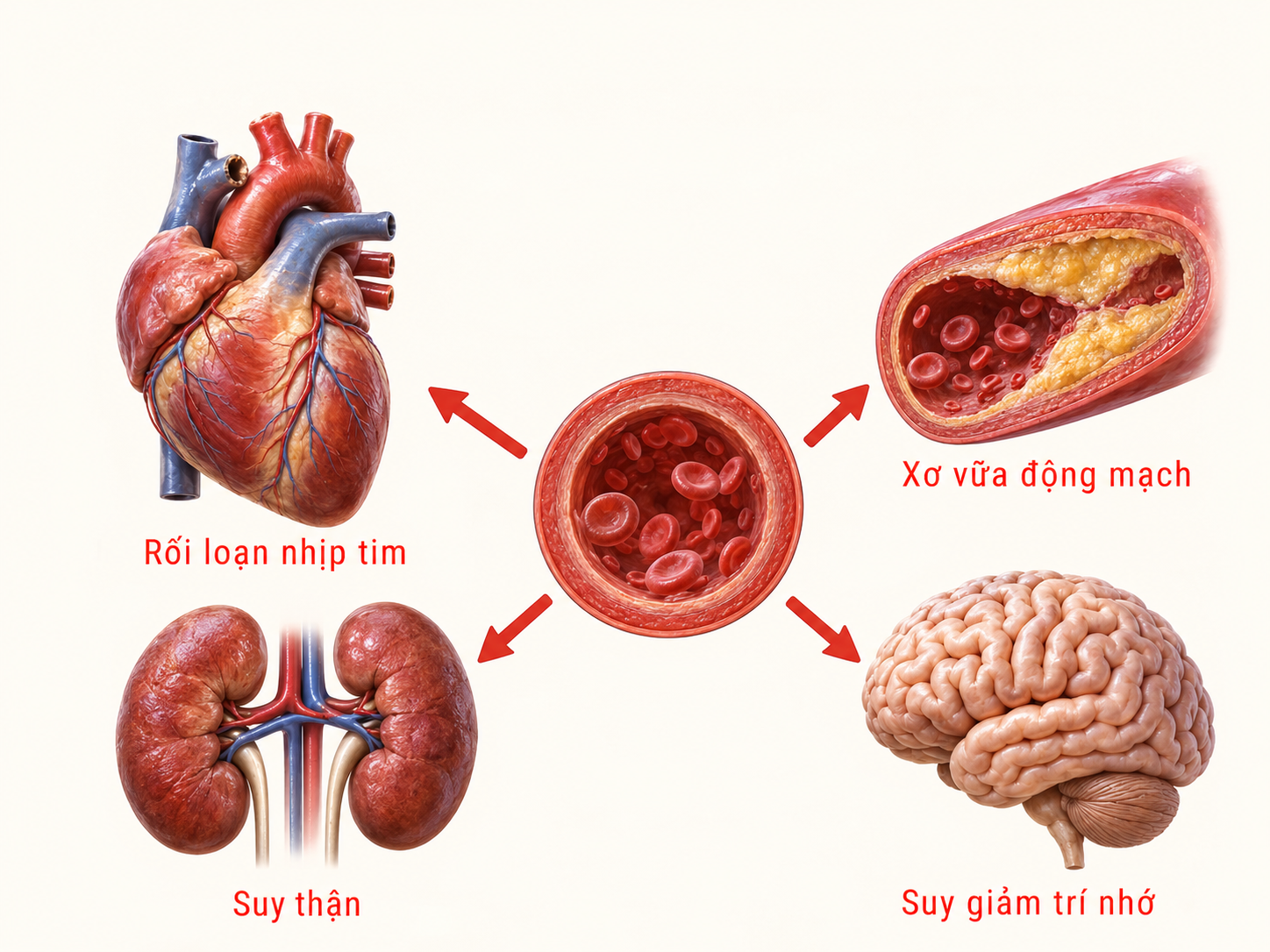 |
Hypertension can lead to dangerous complications for the brain, cardiovascular system, and other organs. *Eco Pharmaceuticals photo*
No smoking, limit alcohol
Smoking constricts blood vessels, raising blood pressure and promoting vessel wall damage, which increases the risk of atherosclerosis. Alcohol consumption can also elevate blood pressure and negatively impact cardiovascular health.
Proactively monitor blood pressure
Hypertension often presents no clear symptoms, so do not wait for headaches, dizziness, or other signs to get checked. Regular blood pressure measurements help detect abnormalities early and allow for appropriate intervention.
Those diagnosed with hypertension must follow their doctor's guidance, take prescribed medication correctly, and attend regular follow-up appointments. Do not arbitrarily stop medication or change dosages even if blood pressure returns to stable levels.
Dr. Binh states that hypertension is a global health concern. Blood pressure control should begin early, even before symptoms appear.
Dinh Dieu
| Readers can submit questions about cardiovascular disease here for a doctor's response |