Maintaining a consistent sleep-wake schedule throughout the week, including weekends, helps stabilize the body's circadian rhythm. However, sleeping in on weekends can affect the body in various ways.
After a week of insufficient sleep, many people tend to sleep longer on their days off to make up for lost time. This practice, known as weekend catch-up sleep, typically involves waking up later than usual.
Some studies indicate that extra sleep can partially help the body recover from sleep deprivation. This offers short-term benefits such as reduced fatigue, improved mood, and partial restoration of cognitive function. However, the extent of recovery depends on the duration and severity of previous sleep loss.
It is important to note that adding a few hours of sleep after one or several nights of insufficient sleep is not the same as attempting to compensate for weeks of chronic sleep deprivation.
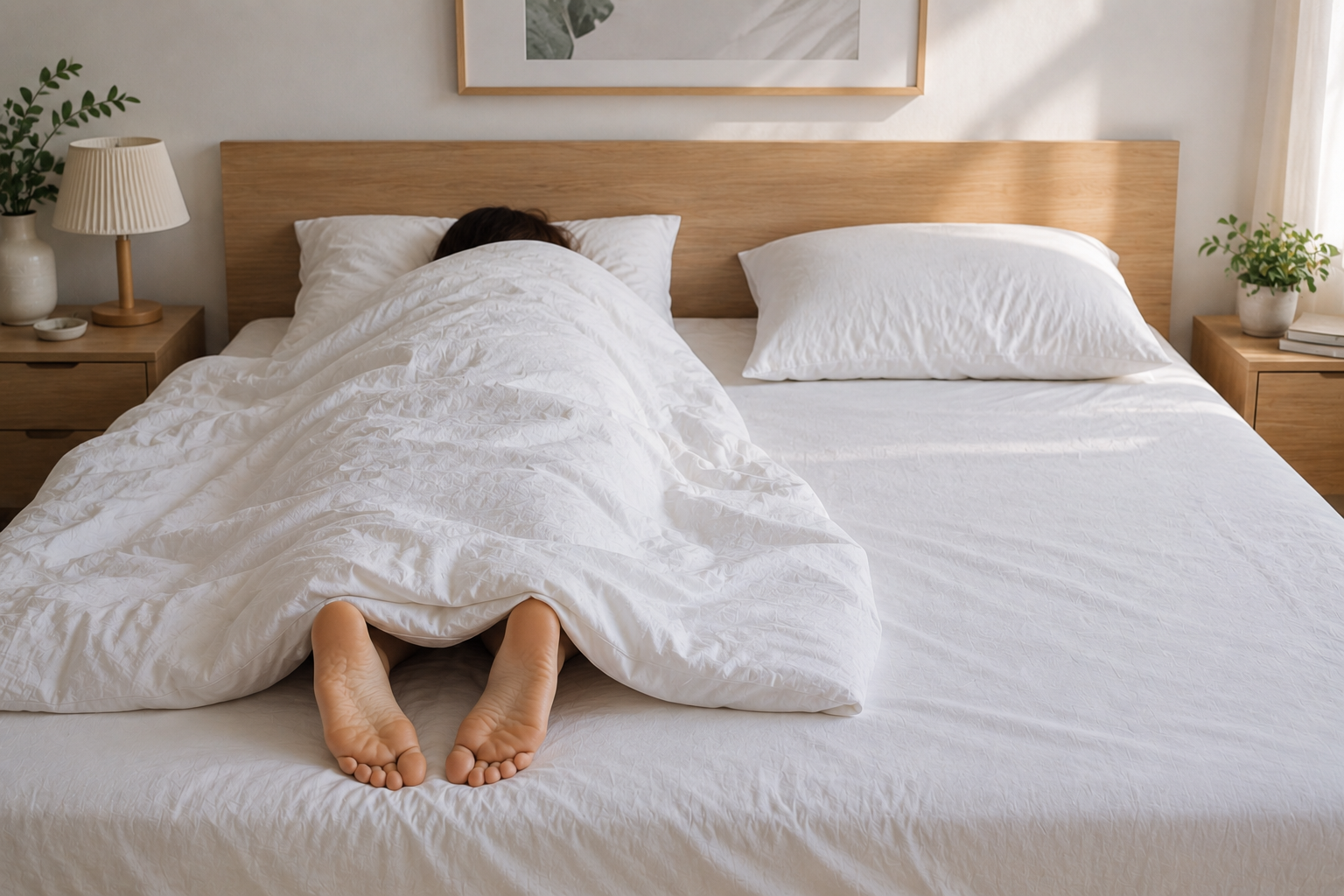 |
Extra sleep on weekends can partially compensate for sleep deprivation during the week. Illustration: AI
When sleep-deprived, concentration, alertness, and mood can be affected. Extra sleep on days off helps reduce accumulated sleep pressure, leading some individuals to feel more alert and comfortable. However, experts note that this benefit is primarily short-term and does not mean catch-up sleep can completely reverse the effects of prolonged sleep deprivation.
Therefore, if a busy week leads to insufficient sleep, extra rest on the weekend can help the body feel better. But if you consistently need a lot of sleep on days off to feel normal, the issue might be an inadequate regular sleep schedule.
Adults typically need at least 7 hours of sleep each night. While extra sleep on weekends can partially offset deficits, it should not be considered a substitute for getting adequate sleep every night. If you only sleep 5-6 hours during the week and then 10-12 hours on the weekend, your body may still not be fully recovered compared to maintaining appropriate sleep duration throughout the week.
Not only duration, but also the timing of sleep affects the body. For example, someone who usually wakes up at 6:30 A.M. on weekdays but sleeps until 10-11 A.M. on weekends can create a significant gap between their sleep schedules on those days. This discrepancy is known as "social jet lag", which is the misalignment between one's biological clock and social schedule. Weekend catch-up sleep has two sides: sleeping longer can help reduce sleep pressure, but excessive changes in sleep-wake times can disrupt circadian rhythms.
If you experience sleep deprivation during the week, extra sleep on days off can help reduce drowsiness and fatigue. However, the long-term goal remains to maintain a relatively consistent sleep duration and schedule. You should prioritize getting enough sleep during the week instead of trying to cram many hours into the weekend. If extra sleep is needed, limit significant changes in wake-up times between weekdays and weekends. Maintain a relatively stable sleep-wake schedule, even on weekends. If you consistently need to sleep for extended periods on days off to feel alert, you should re-evaluate the duration and quality of your sleep throughout the week.
Bao Bao (Compiled)