Abnormal vaginal bleeding can manifest in various ways, such as bleeding between menstrual periods or after menstruation has ended, according to Doctor of Second-Degree Specialization Nguyen Ngoc Thoai from the Obstetrics and Gynecology Center at Tam Anh General Hospital in Ho Chi Minh City. The level of concern depends on the timing of its appearance, the amount of blood, its recurrence, and any accompanying symptoms.
Several common causes of bleeding stem from the vaginal lining, which is thin and rich in blood vessels, making it susceptible to injury during intercourse. Vaginal dryness, frequently experienced by women postpartum, during breastfeeding, or in perimenopause or menopause, can also increase the risk of bleeding.
Bleeding can also be associated with vaginitis or cervicitis, caused by bacteria, fungi, or sexually transmitted agents. When the mucous membrane is inflamed, congested, and edematous, the affected area is prone to bleeding upon contact, especially during intercourse. Patients may experience itching, burning, abnormal discharge, and an unusual odor. Benign lesions such as cervical ectropion, cervical polyps, and vaginal polyps can also cause bleeding.
 |
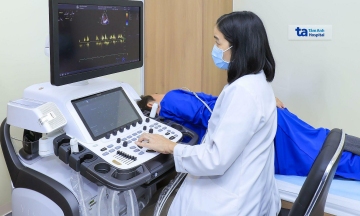
Doctor of Second-Degree Specialization Nguyen Ngoc Thoai advises young women on cervical cancer screening. Illustration: Tam Anh General Hospital
Cervical inflammation due to bacteria, fungi, or sexually transmitted pathogens like Neisseria gonorrhoeae or Chlamydia can lead to congestion, edema, and easy bleeding. This condition may indicate precancerous lesions or cervical cancer, or uterine cancer.
Prolonged or significantly abnormal menstruation also warrants attention. This may be related to ovulatory dysfunction, hormonal changes, contraceptive use, polyps, uterine fibroids, or other uterine and cervical conditions.
Doctor Thoai advises women to seek medical attention if they experience recurrent bleeding after intercourse, increased blood volume, bleeding outside of their menstrual period, or accompanying pelvic pain. Bleeding between periods or unusually prolonged menstruation also requires evaluation, as it could be linked to ovulatory dysfunction, hormonal changes, the effects of birth control pills, polyps, or uterine fibroids.
Additionally, any vaginal bleeding after menopause should be assessed. Beyond common causes like mucosal atrophy, doctors need to rule out conditions affecting the endometrium, cervix, vagina, or vulva.
Pregnant women experiencing bleeding also require examination to determine the cause. This condition may be related to pregnancy complications such as threatened miscarriage, miscarriage, ectopic pregnancy, placental abnormalities, or preterm labor, depending on the stage of pregnancy. If bleeding is heavy and accompanied by severe abdominal pain, shock, fainting, difficulty breathing, or shoulder pain, the pregnant woman should seek immediate medical care.
Depending on symptoms and age, doctors may recommend a gynecological examination, ultrasound, and tests to identify causative agents. If cervical abnormalities are suspected, the patient may undergo HPV testing, a cervical cytology (Pap) test, or colposcopy and biopsy when indicated.
Doctor Thoai recommends that women should not self-medicate with vaginal suppositories or delay medical examination. Accurately identifying the location and cause of bleeding helps ensure correct treatment and early detection of dangerous gynecological lesions.
Tue Diem