Estrogen decline typically occurs as women enter perimenopause and menopause. Common symptoms include hot flashes, sleep problems, mood swings, muscle mass loss, and increased fat accumulation. While diet cannot prevent age-related estrogen decline, it can help the body adapt more effectively.
Consume soy and phytoestrogen-rich foods
According to Times of India, soy products like tofu and soy milk contain isoflavones, a group of plant compounds structurally similar to estrogen, known as phytoestrogens. Beyond isoflavones, soy also provides plant protein, fiber, and many other beneficial nutrients.
Prioritize protein-rich foods
As estrogen declines, women tend to lose muscle mass, making protein a priority in meals. Poultry, fish, eggs, dairy products, tofu, soy, legumes, and nuts are all rich in this nutrient. Distributing protein sources evenly throughout meals helps the body maintain and restore muscle.
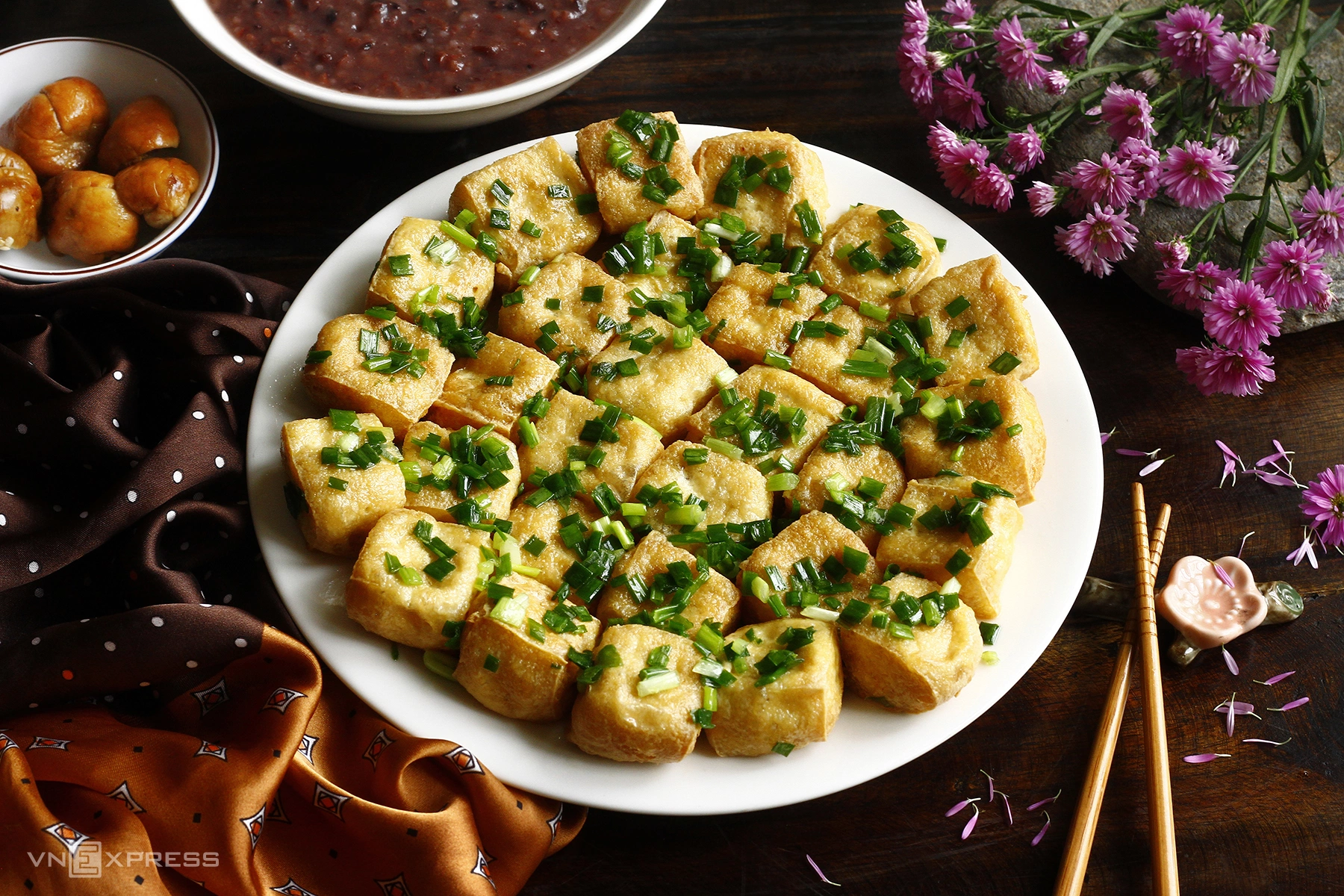 |
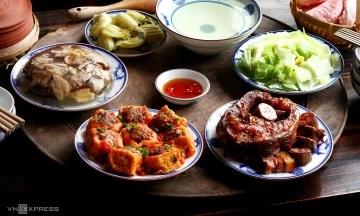
Tofu is rich in nutrients beneficial for women's health. *Photo: Bui Thuy* |
Increase fiber-rich foods
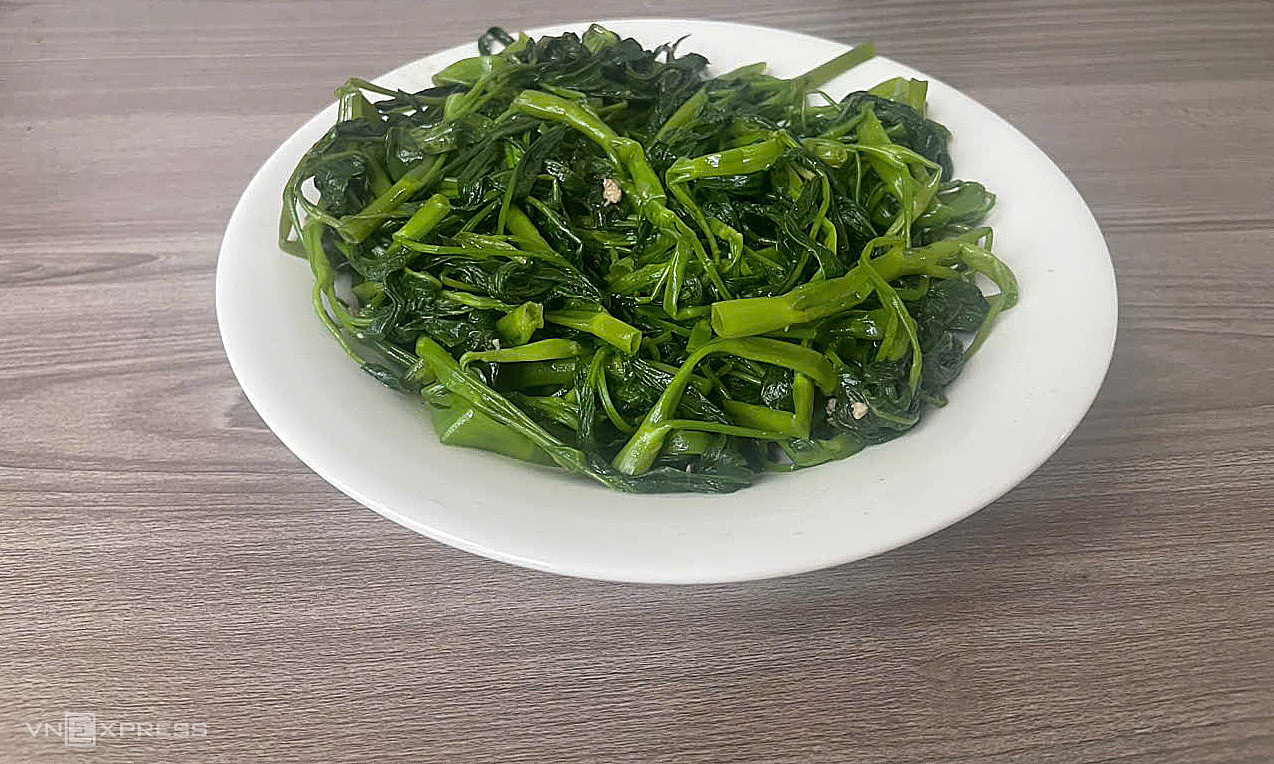
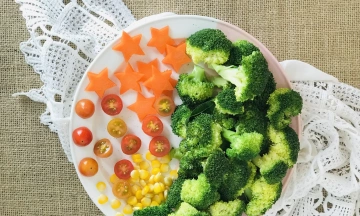
Declining estrogen can make women more prone to weight gain if food intake is not properly adjusted. Green vegetables, fruits, and whole grains provide fiber, helping the body feel full for longer.
Women should prioritize vegetables in main meals and eat whole fruits instead of regularly drinking juice. Consider replacing a portion of white rice with oats, sweet potatoes, whole-wheat bread, or other whole grains. However, increasing fiber intake should be done gradually with adequate water to allow the body to adapt.
Supplement calcium and vitamin D
Estrogen plays a vital role in bone health; when this hormone declines, the rate of bone loss can accelerate. Milk, yogurt, small fish consumed with bones, tofu, and certain green vegetables are rich in calcium. Vitamin D is found in fatty fish and egg yolks. The body also produces this vitamin when skin is exposed to sunlight.
Avoid self-administering high doses of calcium or vitamin D supplements without medical advice. Specific needs depend on age, diet, and individual health status, according to Very Well Health.
Choose beneficial fats
Do not completely eliminate fats from your diet when estrogen declines. Fats help the body absorb fat-soluble vitamins and provide energy. Women should prioritize unsaturated fats from fatty fish, avocados, nuts, and vegetable oils. Limit foods high in saturated fats, such as fatty meats, poultry skin, and fried dishes.
Reduce sugar, alcohol, and caffeine
Individuals who frequently consume pastries, soft drinks, fast food, or high-sugar items will find weight management challenging. Alcohol, caffeinated beverages, or spicy foods can exacerbate hot flashes and sleep problems. Beyond diet, women should exercise regularly, get adequate sleep, and manage stress to maintain muscle, bone, and cardiovascular health.
Le Nguyen (Compiled)
| Readers can send questions about obstetrics and gynecology here for doctors to answer. |