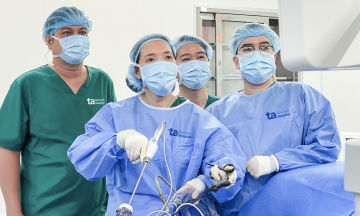
A baby boy weighing 3.6 kg was born in early April via cesarean section. "Ten years of waiting was worth it," Nuong said.
Nuong and Vu, facing unexplained infertility, started in vitro fertilization (IVF) treatment early. However, one embryo transfer resulted in a miscarriage at week 17, and the subsequent two attempts did not lead to pregnancy, depleting their embryo reserves.
Upon visiting Tam Anh General Hospital Ho Chi Minh City (IVF Tam Anh Ho Chi Minh City), examinations revealed Nuong's diminished ovarian reserve, accompanied by deep endometriosis and uterine adhesions, making conception difficult. Vu's semen analysis showed low sperm count and poor motility, attributed to varicocele.
Doctor Chau Hoang Phuong Thao, Head of the Reproductive Support Unit and Head of Obstetrics and Gynecology Department, Tam Anh General Hospital - District 8, identified that the couple's fertility challenges stemmed from both partners. She developed a treatment protocol prioritizing egg retrieval and embryo creation using intracytoplasmic sperm injection (ICSI).
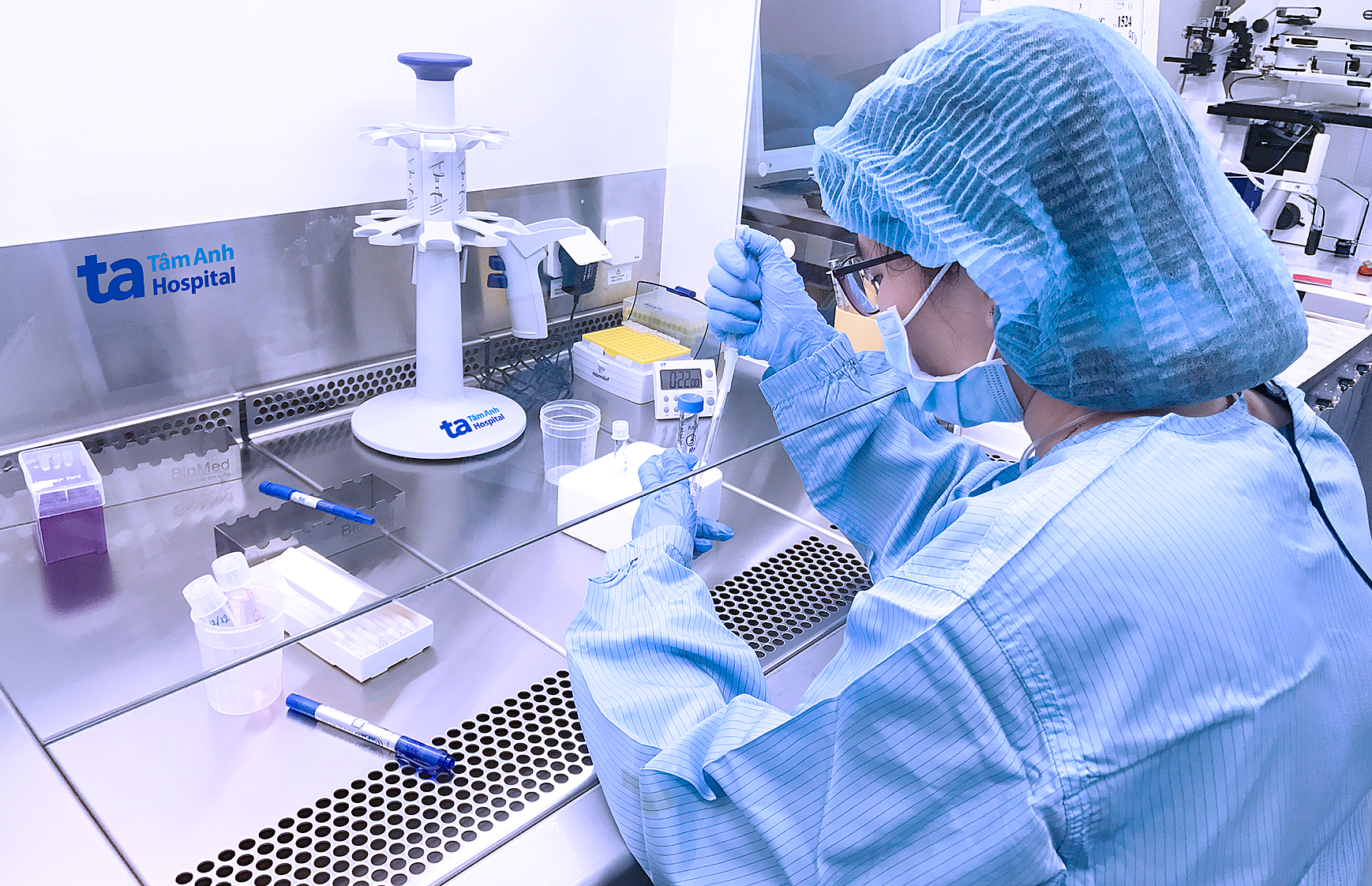 |
An embryologist washes and prepares sperm for Vu. Photo: IVF Tam Anh Ho Chi Minh City |
After two retrieval cycles, Nuong collected 5 eggs, from which 4 day-3 embryos were cryopreserved. Doctor Thao improved Nuong's uterine environment before embryo transfer using antibiotics to suppress endometrial lesions in the uterine muscle and posterior cul-de-sac, reducing inflammation. Nuong underwent a saline infusion sonogram to check her uterine lining, which showed no localized proliferation.
The doctor thawed one embryo and transferred it into the uterus, leading to Nuong's pregnancy on the first attempt. Pregnant at 41, she received close prenatal monitoring, including regular ultrasounds, hormonal control, and gestational diabetes screening to prevent early miscarriage risks. Her pregnancy progressed stably and reached a safe delivery at week 39.
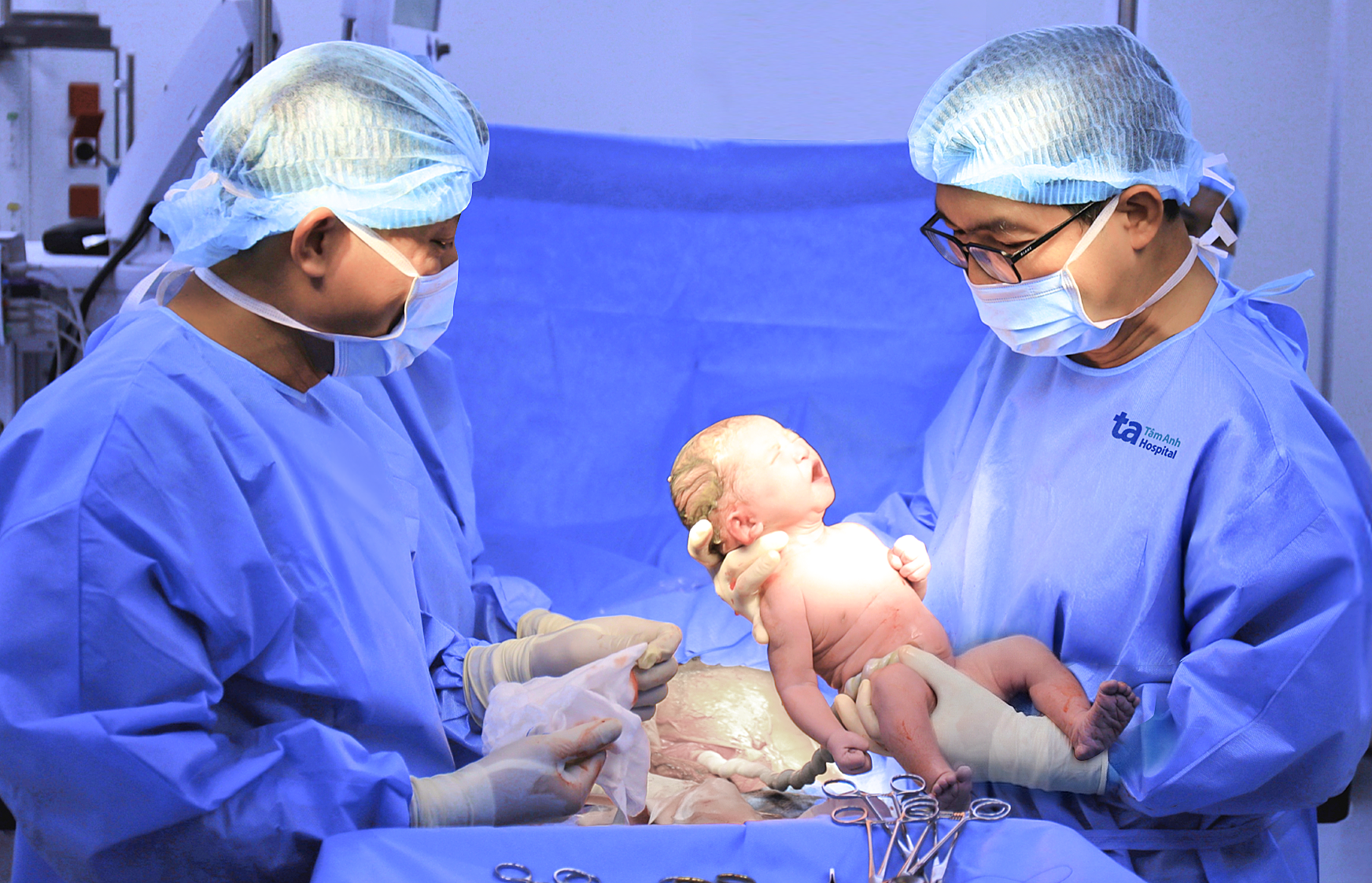 |
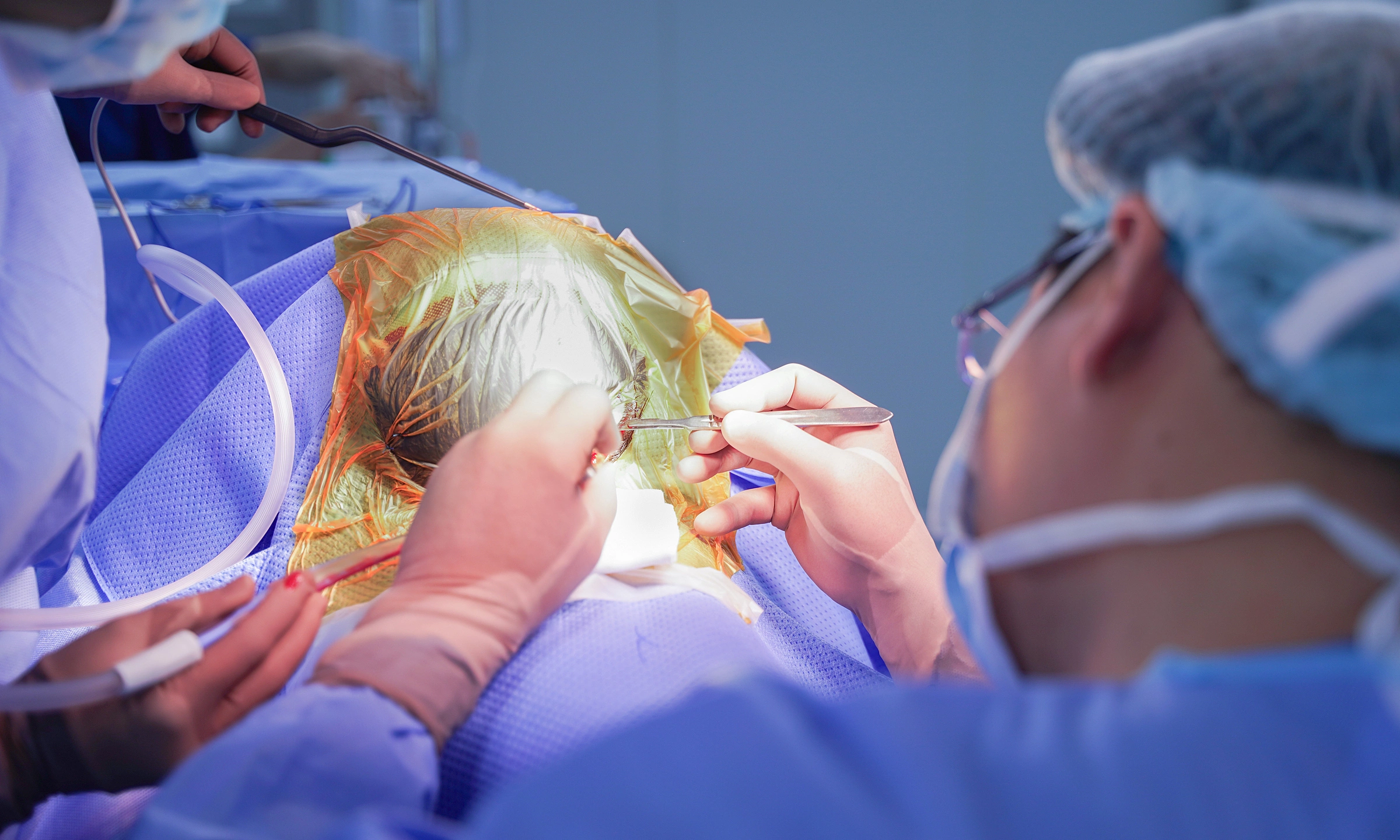
Master of Science, Doctor, Level II Specialist Le Thanh Hung, Deputy Head of Obstetrics Department, Obstetrics and Gynecology Center, Tam Anh General Hospital Ho Chi Minh City (right), performs a cesarean section for Nuong. Photo: Nguyet Nhi |
The World Health Organization (WHO) estimates that about one-sixth, or 17.5%, of adults globally experience infertility, with causes stemming from both partners accounting for 10%. The longer the period of infertility, especially exceeding 10 years as in Nuong's case, the lower the probability of natural conception each cycle.
Doctor Thao recommends that couples under 35 years old seek medical evaluation after 12 months of trying to conceive, and those over 35 after 6 months. Early detection of underlying conditions increases the chances of successful pregnancy, avoiding prolonged treatment, high costs, and significant psychological stress.
Nguyet Nhi
*Character names have been changed