Doctor Nguyen Huy Hoang, a member of the Vietnam Undersea and Hyperbaric Medicine Association, explains that the liver acts as a "central filter" and "processing plant", metabolizing, detoxifying, and eliminating substances from the body. Many individuals habitually take multivitamins in the morning, followed by liver detox pills at noon, collagen in the afternoon, sleep-aid pills in the evening, and additional weight loss or muscle gain supplements. Each product contains dozens of active ingredients, most of which pass through the liver.
When various supplements are consumed simultaneously, in high doses, or over extended periods, the liver becomes overloaded. Liver cells begin to sustain damage, leading to elevated liver enzymes. Prolonged overload can result in hepatitis, cirrhosis, and ultimately liver failure.
For instance, vitamin A is a supplement recommended for enhancing eye health and supporting the immune system. The Food and Drug Administration (FDA) recommends that men consume 900 mg of vitamin A daily, while women should take 700 mg per day. Consuming more than 3,000 mg daily can lead to toxicity. Investigations by international media have uncovered some dietary supplements containing up to 7,500 mg of vitamin A in mot pill.
Vitamin E is another supplement often suggested for boosting immunity. It is naturally present in foods such as peanuts, almonds, mangoes, and kiwis. However, the National Institutes of Health (NIH) advises that adults should only supplement 15 mg of vitamin E daily through their diet. Ingesting more than 1,000 mg of this nutrient carries a risk of toxicity, with symptoms including muscle weakness, diarrhea, and nausea.
A more significant risk arises from products marketed with "exclusive formulas" or "proprietary extracts" that fail to disclose the precise dosage of each ingredient. This makes it challenging for doctors to assess potential risks, while the liver must process a "chemical cocktail" of unknown concentrations.
Muscle-building, strength-enhancing, and "fat-burning, muscle-preserving" pills harbor numerous dangers. Weight loss products, "liver cleansing" formulas, and "body detox" supplements often contain herbal mixtures such as: green tea extract, Garcinia cambogia, usnic acid, Phyllanthus niruri, high-dose milk thistle, and rhubarb. Many of these ingredients have been linked to cases of acute hepatitis, liver cell necrosis, elevated liver enzymes, and hypersensitivity reactions.
"Liver damage from vitamins and dietary supplements often begins silently. Users continue to feel 'healthy', and only during routine health check-ups are elevated liver enzymes detected," the doctor states.
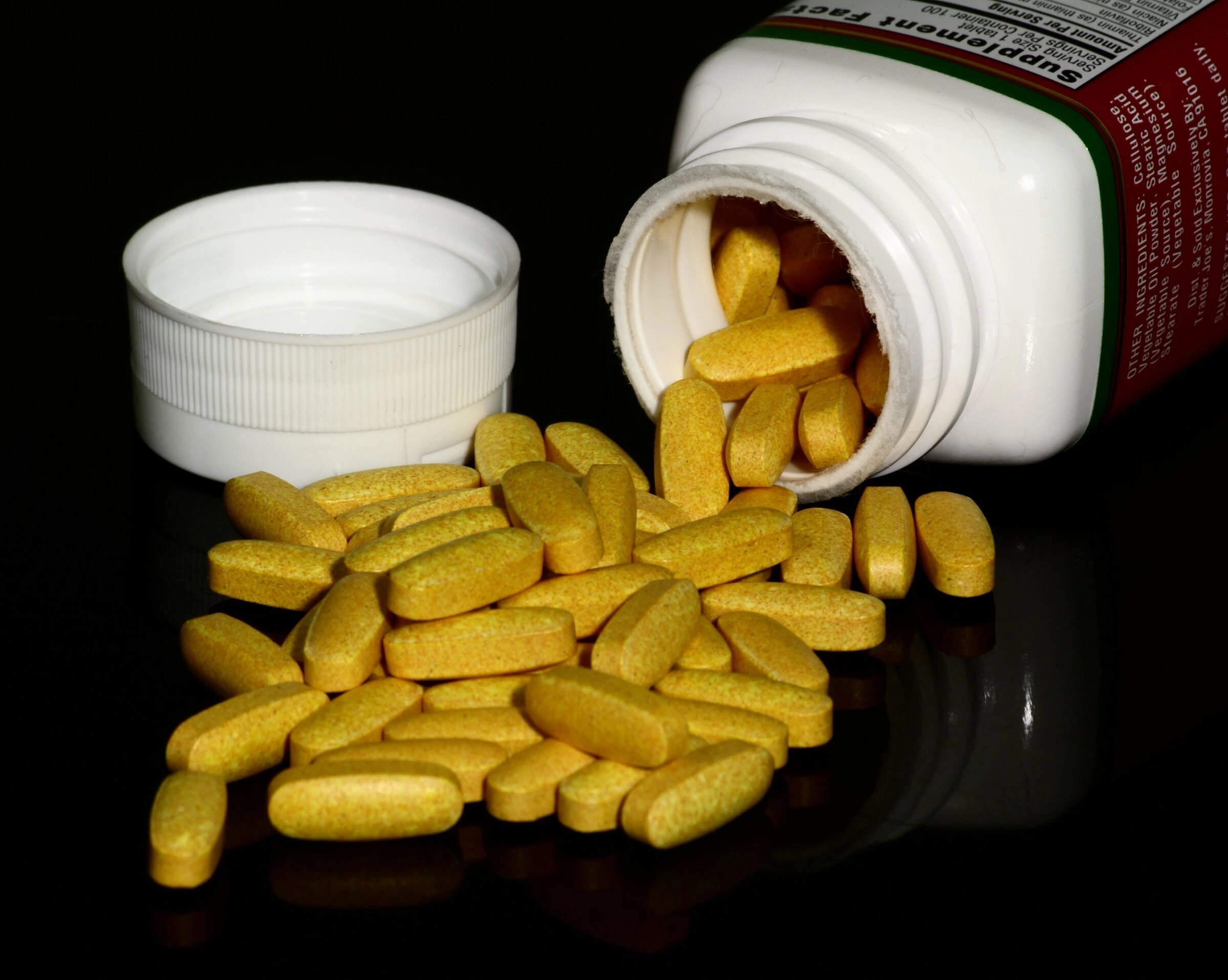 |
People should not overuse vitamins. *Healthy* |
Currently, no specific antidote exists for most cases of liver damage caused by dietary supplements (with the exception of paracetamol poisoning). Treatment protocols primarily focus on supportive medication, symptom control, and regular monitoring. Simultaneously, doctors advise lifestyle changes: avoiding alcohol and smoking, consuming plenty of green vegetables, fruits, and whole grains, and engaging in gentle daily exercise to reduce liver fat and improve circulation.
Individuals must consult healthcare professionals before using vitamins. Do not self-prescribe medications or vitamins out of habit. Avoid the overlapping use of multiple types of supplements, and do not place complete trust in advertisements promising "liver detox", "rapid weight loss", or "miraculous muscle gain". Products should be stored carefully in sealed containers, with labels clearly stating the product name and expiration date. Keep products out of sight and reach of children, ideally in a locked cabinet for safety.
Some groups genuinely benefit from supplementation, including women planning pregnancy and pregnant women (folic acid, iron), the elderly (prone to vitamin D and B12 deficiencies), individuals with digestive diseases, malabsorption, or post-intestinal surgery, and malnourished children.
Maintain a scientific diet and an appropriate, healthy lifestyle and work habits. Drink enough water, avoid salty foods, limit fast food and excessive alcohol consumption, and say no to tobacco. Engage in daily physical exercise according to individual health conditions. Proactively undergo regular health check-ups and kidney disease screening at least mot time a year.
Thuy An