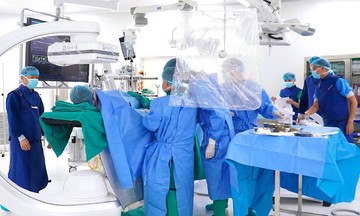
These facilities, dubbed "fat camps", offer a 28-day program costing approximately 1,000 USD (over 25 million VND). The story of this rigorous model gained attention when @eggeats, an Australian influencer, shared her personal experience after leaving a stable job to find a way out of life's stagnation.
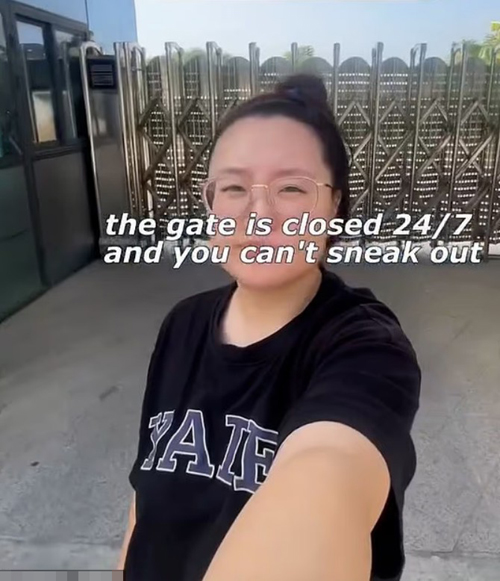 |
The Australian woman reveals the scene inside the 'fat camp' she attended in China. Photo: Instagram |
Life inside begins at 7:30 AM. A mandatory weight check takes place at 8:00 AM, just before participants begin an aerobics session lasting over an hour. The first meal of the day, served at 11:15 AM, typically consists of four eggs, half a tomato, one slice of bread, and a few slices of cucumber.
The afternoon schedule continues with higher intensity. After transitioning to strength training with weights from 2:50 PM to 4:00 PM, participants are served lunch. The evening concludes with two hours of combined indoor cycling, before a final weight check. All personal food items like instant noodles or fried snacks are confiscated at the entrance; instead, participants receive portioned meals consisting of braised duck, stir-fried vegetables, and raw carrots.
This strict disciplinary model yields immediate results. The Australian participant reported losing 2,25 kg after the first week and a total of 4 kg after 14 days. Beyond training, the communal living environment, with five people per room, fosters a sense of camaraderie. Participants, regardless of nationality or language, share workspaces and enjoy a rare sunday off to recover before the new cycle begins.
The rise of these military-style training camps reflects a concerning public health reality in the nation of billions. According to a study published in The Lancet Diabetes & Endocrinology, over 50% of adults in China are currently overweight or obese. This rate has tripled in the past two decades, making weight control an urgent priority for many.
Despite delivering rapid weight loss, this method faces criticism from experts. Recommendations from the US Centers for Disease Control and Prevention (CDC) suggest that safe and sustainable weight loss should range from 0,5 to 1 kg per week. Sudden calorie restriction combined with excessive exercise can lead to muscle loss, nutritional deficiencies, and the risk of weight regain (the yo-yo effect) immediately after leaving the camp.
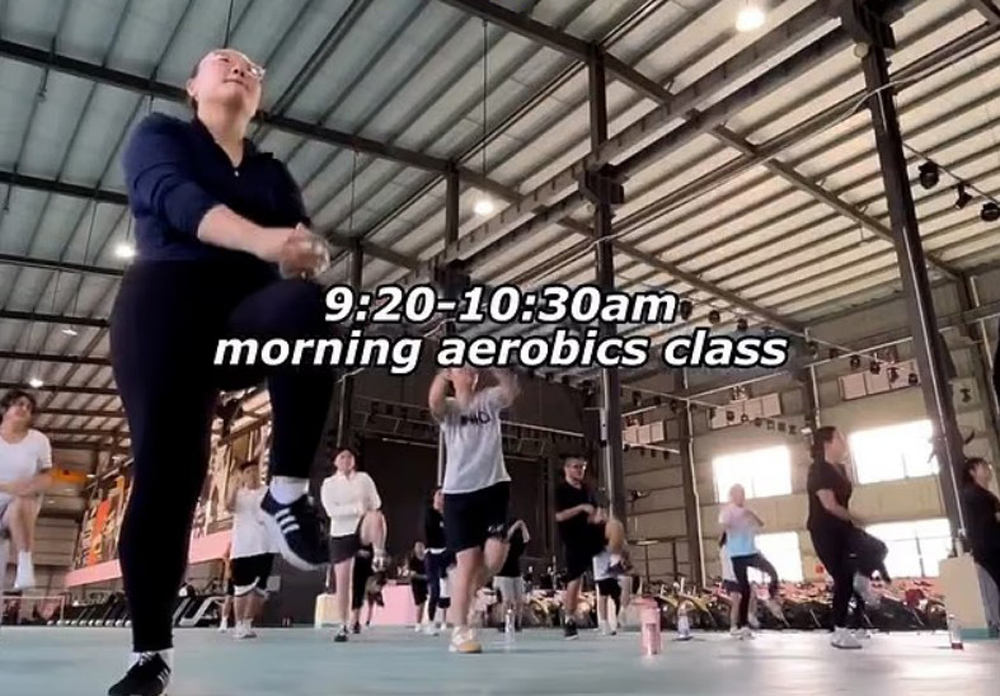 |
High-intensity aerobics in the 'fat camp' takes place from 9:20 AM to 10:30 AM. Photo: Instagram |
Despite medical warnings and harsh living conditions, these "camps" remain a last resort for those desperate to rebuild their bodies. For them, isolation and discipline are not a punishment, but an acceptable price for a new beginning.
Previously, in 6/2023, the Chinese public was shocked by the death of Cuihua, a 21-year-old influencer, while participating in training at a weight loss camp in Thiem Tay province. Her family confirmed she died after attempting to lose 100 kg through an intense exercise regimen and strict dieting. In 2021, a 20-year-old woman in Hac Long Giang also died suddenly at a training camp, leading to prolonged legal disputes over management responsibility. These incidents have prompted authorities to review safety standards at thousands of operating facilities lacking professional medical supervision.
By Binh Minh (Source: The Sun, DM, Hindustan Times)