Many people commonly drink beer to quench their thirst after exercising, especially after activities like running, soccer, volleyball, or pickleball. However, this is not a healthy habit and can harm the body.
Vigorous exercise consumes significant energy, leading to dehydration and electrolyte imbalance. During workouts, muscles use stored glycogen for energy. After training, the body needs time to recover and replenish lost glycogen. Drinking beer immediately afterward, however, disrupts this recovery process.
Beer acts as a diuretic, increasing water excretion through urination. This exacerbates dehydration and causes electrolyte imbalance within the body. Dehydration and electrolyte disturbances can lead to fatigue, muscle cramps, reduced glycogen regeneration, and a slower recovery process.
Furthermore, beer forces the liver and kidneys to work harder to process harmful substances in the drink. When the body is already fatigued after exercise, these organs must exert effort to eliminate alcohol and other toxins from beer, placing significant stress on internal organs.
Consuming alcohol also increases heart rate, putting additional strain on the heart. Combining this with strenuous exercise, which already demands intense cardiac activity, can create unnecessary stress on the cardiovascular system, potentially leading to serious issues such as arrhythmias or angina. Generally, you should avoid drinking beer immediately after exercising. Instead, consider coconut water, watermelon, mango, oranges, or pears to replenish electrolytes and recover faster.
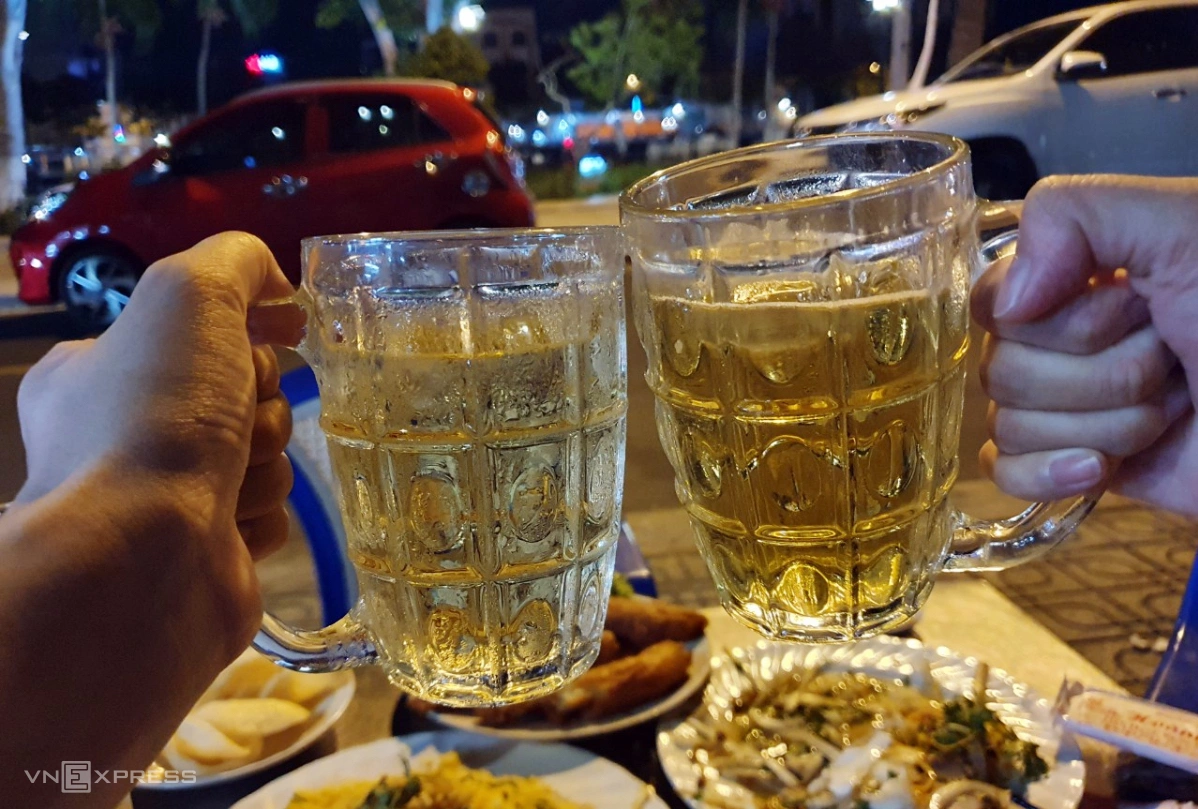 |
Do not drink beer immediately after sports training. Thu Anh.
Dr. Nguyen Huy Hoang
Vietnam Undersea and Hyperbaric Medicine Association