A reader from Dong Nai inquired about the effectiveness of a pure protein, or Carnivore, diet for weight loss and diabetes prevention, a regimen suggested by friends. Doctor Vo Tran Nhu Thao, an expert from Tam Anh General Clinic District 7, explains that while this diet may offer short-term benefits, it carries significant long-term health risks and requires careful consideration and professional guidance.
The Carnivore diet, also known as the pure protein diet, consists exclusively of animal products, eliminating all plant-based foods such as vegetables, fruits, and fiber. Proponents highlight its ability to provide a complete protein source, rich in essential amino acids from red meat, vital for tissue building and repair. It can also increase iron intake, which is often more absorbable than plant-based iron and crucial for oxygen transport and energy metabolism.
By prioritizing high protein intake and removing carbohydrates, the body shifts into a state of burning stored fat for fuel. This metabolic change can boost initial weight loss and stabilize blood sugar levels, potentially reducing the risk of diabetes and other chronic conditions.
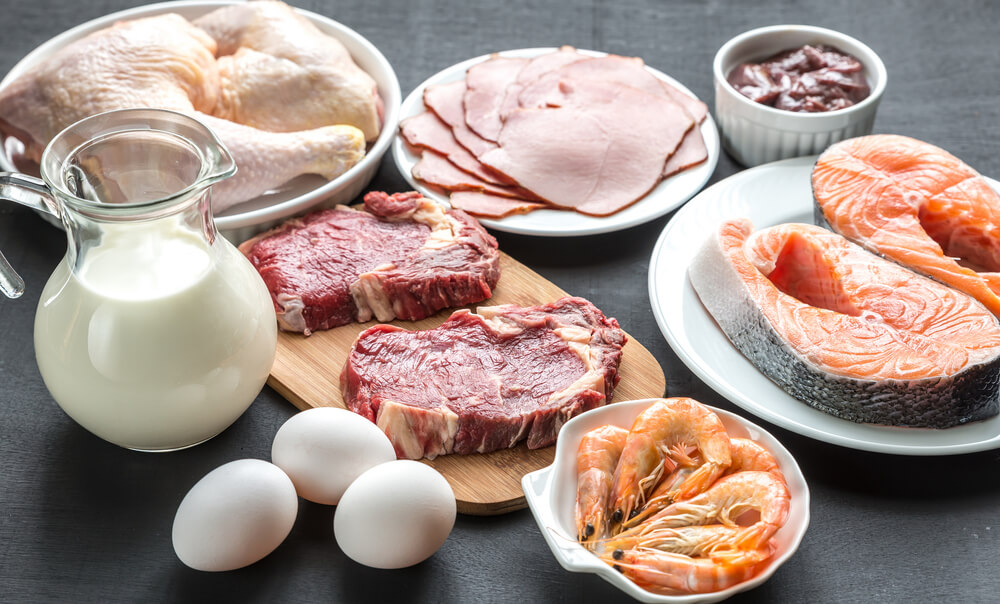 |
The all-protein diet only aids short-term weight loss; long-term use can be detrimental to health. *AI-generated image*. |
However, the effectiveness of this diet for sustained weight loss is complex. The reader has not specified their calorie intake, portion sizes, or the number of main meals or snacks per day. If calorie intake from protein-rich foods exceeds calories expended, weight loss can be short-lived, often followed by weight regain. More critically, the Carnivore diet poses a high risk of nutritional imbalances and deficiencies. It lacks essential nutrients like vitamins C, E, K, fiber, and antioxidants, all abundantly found in plant-based foods.
Exclusively consuming animal products significantly increases the intake of saturated fat and cholesterol. Elevated saturated fat levels contribute to higher low-density lipoprotein (LDL) or "bad" cholesterol, which in turn raises the risk of heart disease and severe cardiovascular complications such as stroke.
Furthermore, high consumption of red meat has been linked to an increased risk of colorectal cancer and other cancer types. The substantial animal protein load can also strain the kidneys, potentially impairing their long-term filtering function and increasing the likelihood of kidney stone formation.
The absence of essential nutrients can lead to electrolyte imbalances, manifesting as muscle cramps, dizziness, fatigue, and general weakness. A severe lack of fiber negatively impacts gut health, disrupting the beneficial microbiome and contributing to digestive issues and eating disorders.
Given these potential risks, Doctor Vo Tran Nhu Thao strongly advises against adopting the Carnivore diet without professional guidance. Before considering such a dietary change, individuals should consult a healthcare professional specializing in weight management or nutrition. A doctor can thoroughly assess one's health status, physical condition, and lifestyle to recommend a suitable and safe weight loss plan tailored to individual needs.
Doctor Vo Tran Nhu Thao
Endocrinology and Diabetes Unit
Tam Anh General Clinic District 7
| Readers can submit questions about endocrine diseases here for a doctor's response. |