Beyond embryo quality, a healthy endometrium is a critical factor for successful embryo implantation. When embryo transfer fails, particularly with embryos deemed of good quality, doctors must consider various endometrial factors, including the preparation protocol, thickness, and imaging. If failures recur two or more times, an in-depth assessment of the uterine cavity and endometrium becomes essential to identify any abnormalities that could affect implantation before proceeding with further embryo transfers.
Chronic endometritis, the condition you experienced, involves the presence of inflammatory cells in the inner lining of the uterine cavity. This inflammation disrupts the balance of the endometrial microbiome, reducing the endometrium's receptivity and interaction with the embryo. The condition often progresses silently, with no obvious symptoms.
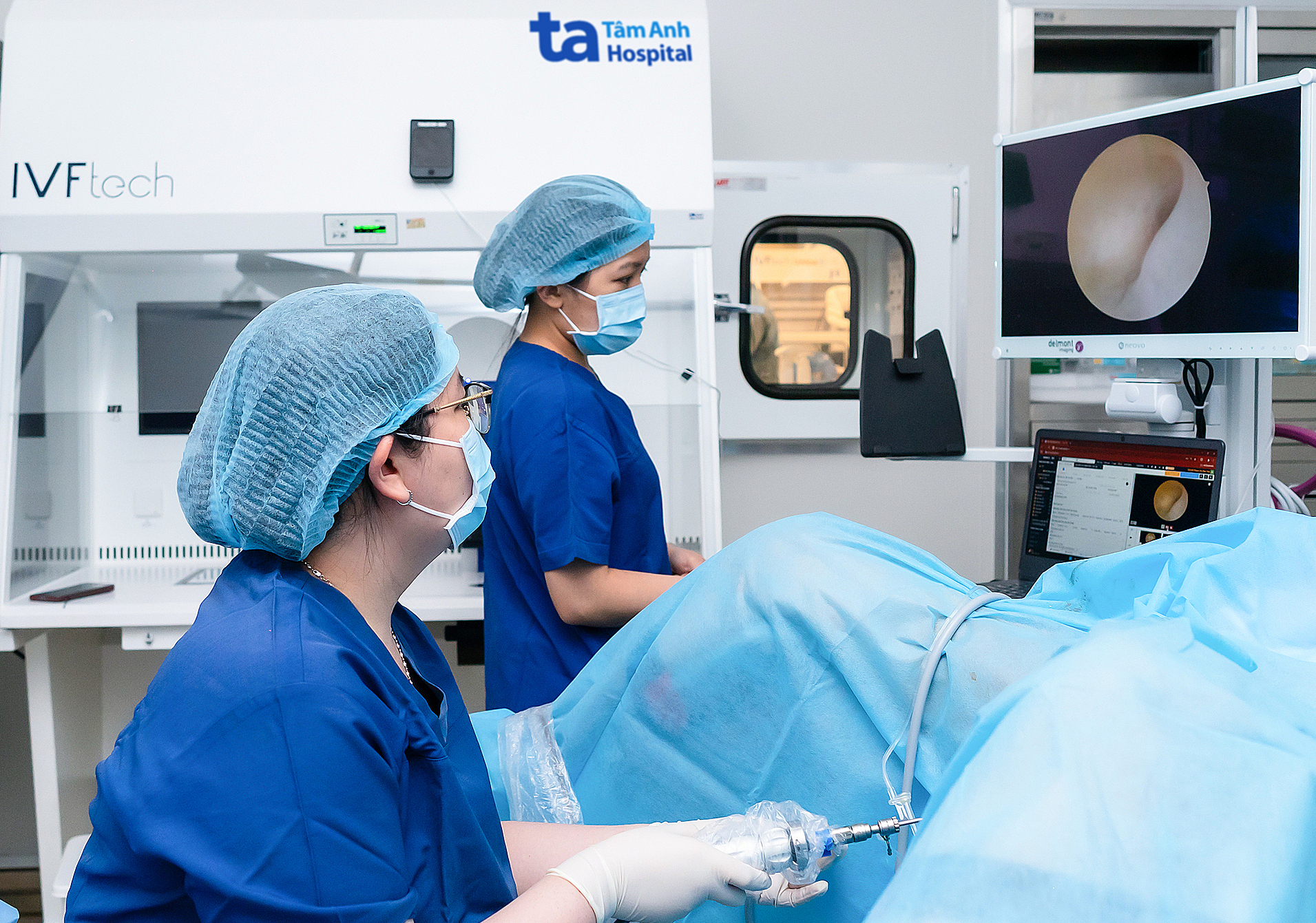 |
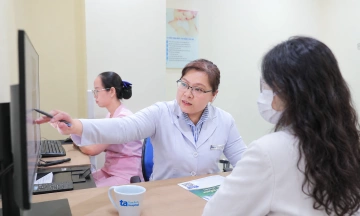
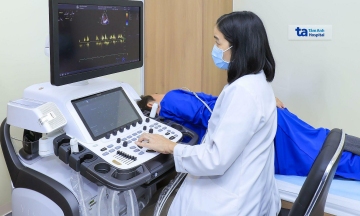
Master, Doctor, Level I Specialist Nguyen Thi Bich Phuong performs hysteroscopy to find causes of infertility. Illustration: IVF Tam Anh
In your case, you successfully treated chronic endometritis, became pregnant, and welcomed your first child. If you plan to have another child soon, your doctor will re-evaluate your inflammatory condition before the next embryo transfer and provide treatment if necessary to optimize your chances of successful pregnancy.
Doctors may recommend a blind endometrial biopsy, which involves taking a tissue sample from the uterine lining without direct hysteroscopic observation. Alternatively, a hysteroscopy allows direct visualization of the lining and any associated abnormalities within the uterine cavity, with endometrial biopsy performed as needed. The tissue samples undergo histopathological analysis and immunohistochemical staining to identify plasma cells (a type of immune cell that produces antibodies), which aids in diagnosing and guiding the treatment protocol for chronic endometritis.
The condition is primarily treated with antibiotics. The treatment protocol and duration depend on the cause and individual patient's condition. If the patient responds well, a course of treatment lasting about 14 days can temporarily stabilize the inflammation. Following treatment, doctors will re-evaluate the treatment response and prepare for the subsequent embryo transfer.
Master, Doctor, Level I Specialist Nguyen Thi Bich Phuong
Center for Reproductive Assistance
Tam Anh General Hospital TP HCM
| Readers can submit questions about infertility here for doctors to answer. |