Eng English
China 中国人

Eng English
China 中国人
  • News
  • World
  • Business
  • Entertainment
  • Sports
  • Law
  • Education
  • Health
  • Lifestyle
  • Travel
  • Science
  • Digital
  • Automobiles
  • Trở lại Thể thao
  • Health
Saturday, 26/9/2026 | 15:33 GMT+7

Four simple habits to protect your eyes

Recognizing risk factors, noting family history, wearing protective eyewear, and properly cleaning contact lenses help protect your eyes and limit damage.

Our eyes process light and images, enabling us to observe, learn, and work daily. Protecting them involves more than just proper nutrition, limiting screen time, or regular check-ups. Several simple measures can also safeguard vision.

Note family history of eye conditions

Some eye conditions have a genetic component, including glaucoma and age-related macular degeneration. If a family member has these conditions, inform your eye doctor for a risk assessment and an appropriate screening schedule.

Glaucoma often progresses silently, and early-stage macular degeneration might not cause clear symptoms. Therefore, if you are in a high-risk group, do not wait for vision changes before seeking an examination.
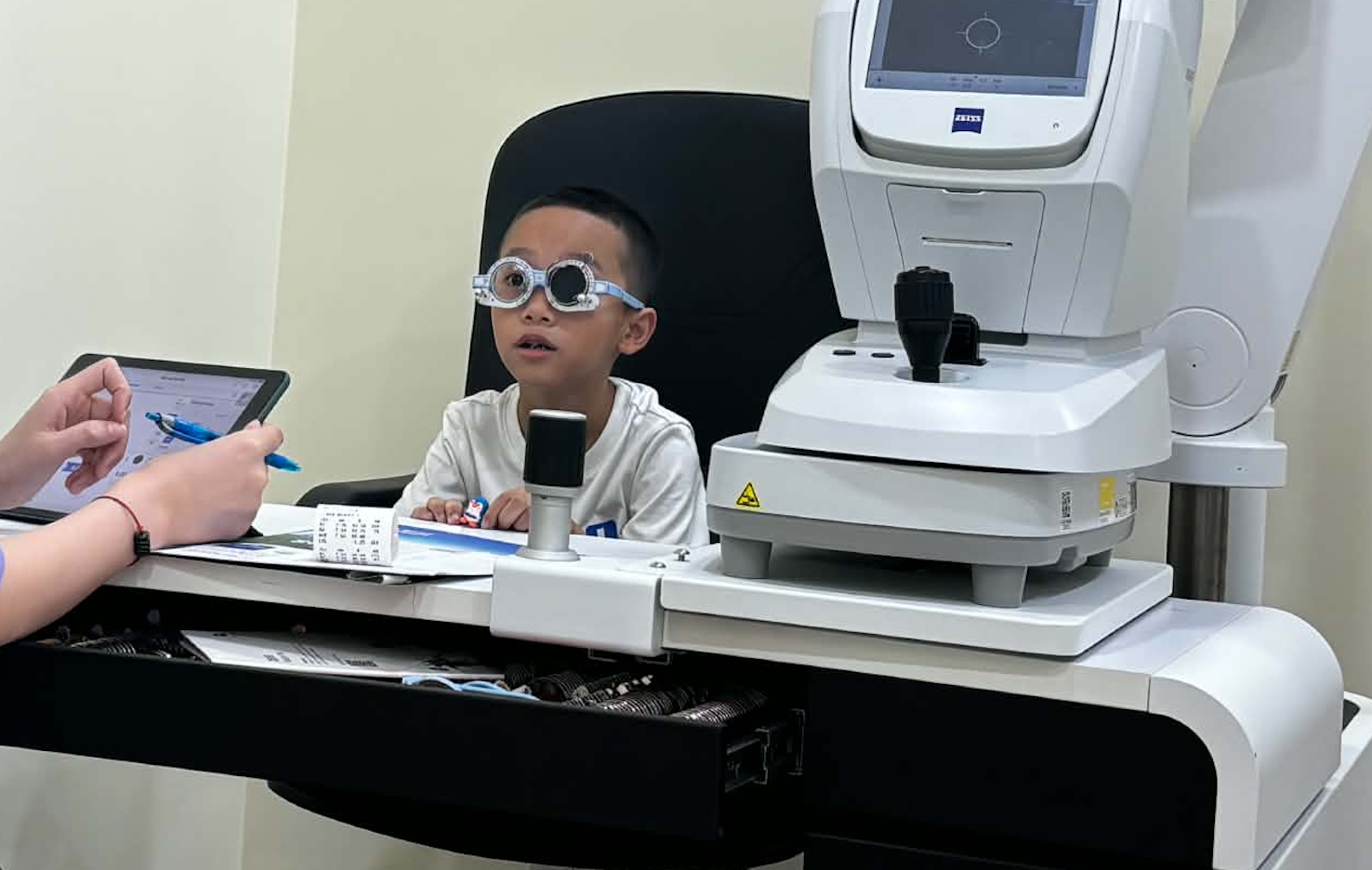
Regular eye exams help detect refractive errors and genetic eye conditions early. Illustration: Anh Chi

Identify your personal risk factors

Age and certain systemic diseases can increase the risk of eye conditions. For instance, individuals with diabetes face a risk of diabetic retinopathy, and high blood pressure can lead to some eye damage.

Understanding your personal risks empowers you to discuss with your doctor the appropriate timing and frequency of eye exams, rather than relying solely on normal current vision.

Wear protective eyewear when at risk of injury

The U.S. National Eye Institute recommends using appropriate glasses or protective eyewear during activities that pose a risk of eye injury. When performing home repairs, using power tools, handling sharp objects, or playing contact sports, wear protective eyewear to minimize the risk of foreign bodies, dust, or objects damaging your eyes.

Eye injuries can damage the cornea and, in some cases, lead to long-term complications.

Properly clean contact lenses

Contact lens wearers must wash their hands before touching the lenses, clean and store them with appropriate solutions, and adhere to the recommended wearing schedule.

Improper lens hygiene can increase the risk of infection, even leading to corneal ulcers. Contact lens wearers should also remove their lenses before swimming, showering, or using hot tubs to reduce the risk of eye infections.

Even with normal vision, some eye conditions can progress without causing symptoms. Individuals with a family history of eye conditions, underlying diseases affecting vision, or who experience blurred vision, double vision, eye pain, red eyes, increased floaters, or vision changes should seek a specialist examination.

Bao Bao (compiled)

Readers can send questions about ophthalmological conditions here for a doctor's answers
By VnExpress: https://vnexpress.net/4-thoi-quen-don-gian-giup-bao-ve-mat-5125003.html
Tags: healthy habits eye health eye protection

News in the same category

Why vaginal bleeding occurs

Why vaginal bleeding occurs

Vaginal bleeding can be linked to injury or irritation in the genital area, cervix, or dangerous gynecological conditions.

Is treatment for endometritis necessary before embryo transfer?

Is treatment for endometritis necessary before embryo transfer?

After multiple failed in vitro fertilization embryo transfers, I successfully conceived after treating chronic endometritis. Do I need to undergo treatment again for my next embryo transfer? (Ha, TP HCM)

Three daily habits support stable blood pressure

Three daily habits support stable blood pressure

Reducing salt, drinking enough water, and maintaining quality sleep can help control blood pressure, alongside regular exercise.

Why weekend sports increase injury risk

Why weekend sports increase injury risk

The body's inability to adapt to sudden increases in activity intensity and insufficient warm-ups make weekend athletes prone to injuries.

What happens to your heart when you lack sleep?

What happens to your heart when you lack sleep?

Adults who do not get enough sleep, typically less than 7 hours each night, face an increased risk of cardiovascular problems such as hypertension, coronary artery disease, stroke, and myocardial infarction.

Vietnamese accustomed to 'eating salty, drinking sweet' face heavy disease burden

Vietnamese accustomed to 'eating salty, drinking sweet' face heavy disease burden

High salt intake, sugary drinks, and insufficient vegetables and fruits among Vietnamese contribute to an elevated risk of cardiovascular disease, diabetes, obesity, and other non-communicable diseases.

Should stroke patients be placed on their side during first aid?

Should stroke patients be placed on their side during first aid?

When someone shows signs of stroke, how should first aid be administered while waiting for emergency services? Should they be placed on their side, on their back, or kept in the same position? (Hoang Nam, 42, Dong Nai)

Common mistakes when supplementing probiotics for children

Common mistakes when supplementing probiotics for children

Mixing probiotics with hot water or milk, or taking them simultaneously with antibiotics, are common mistakes parents make when giving probiotics to children.

VCF film: the 'invisible' contraceptive solution

VCF film: the 'invisible' contraceptive solution

VCF film is a localized, self-dissolving, hormone-free contraceptive used on demand, providing women with an additional option for family planning.

Baby boy born with 'fish scale' disease

Baby boy born with 'fish scale' disease

A baby boy was born weighing 3,1 kg with respiratory distress, taut, cracked, shiny skin, ectropion, and feeding difficulties, diagnosed with lamellar ichthyosis.

Eng English
China 中国人
  • News
  • World
  • Business
  • Entertainment
  • Sports
  • Law
  • Education
  • Health
  • Lifestyle
  • Travel
  • Science
  • Digital
  • Automobiles
FPT Tower, 10 Pham Van Bach Street, Dich Vong Ward,
Cau Giay District, Hanoi, Vietnam
Email: contacts@vnportal.net
Tel: 028 7300 9999 - Ext 8556
Advertise with us: 090 293 9644
Register
© Copyright 2026 vnnow.net. All rights reserved.
Terms of use Privacy policy Cookies