When stressed, the pain appears more frequently. Is this condition caused by stress? (Thanh Tam, Tay Ninh province)
The symptoms you describe are consistent with trigeminal neuralgia, also known as trigeminal nerve pain. This neurological condition causes intense facial pain, often likened to an "electric shock." Pain episodes can last a few seconds to under two minutes, occurring in clusters and triggered by talking, chewing, brushing teeth, or even a light touch to the face.
Stress is not a direct cause of trigeminal neuralgia. Most cases result from blood vessels compressing the trigeminal nerve root in the brainstem, damaging the myelin sheath. When this protective layer deteriorates, electrical impulses transmit abnormally, leading to a cascade of discharges that cause sudden, severe pain.
However, stress can exacerbate the condition. When under stress, the body releases increased cortisol and neurotransmitters, making the nervous system more sensitive. This can lower the pain threshold and increase the frequency of pain episodes.
Treatment for trigeminal neuralgia typically begins with antiepileptic drugs to stabilize nerve cell membranes and limit abnormal electrical discharges. If medication becomes ineffective or causes side effects, doctors may consider other interventions.
For some cases resistant to or intolerant of medication, botulinum toxin type A (botox) injections are prescribed as an adjunctive treatment. This active substance inhibits the release of pain neurotransmitters like substance P and glutamate at the sensory nerve endings. Consequently, the intensity and frequency of pain signals transmitted to the brain are reduced.
Botox is injected into subcutaneous points on the face corresponding to the affected nerve branch. The procedure is quick, and patients do not require hospitalization. Noticeable effects appear within a few days to two weeks and last a few months before repeat injections are needed.
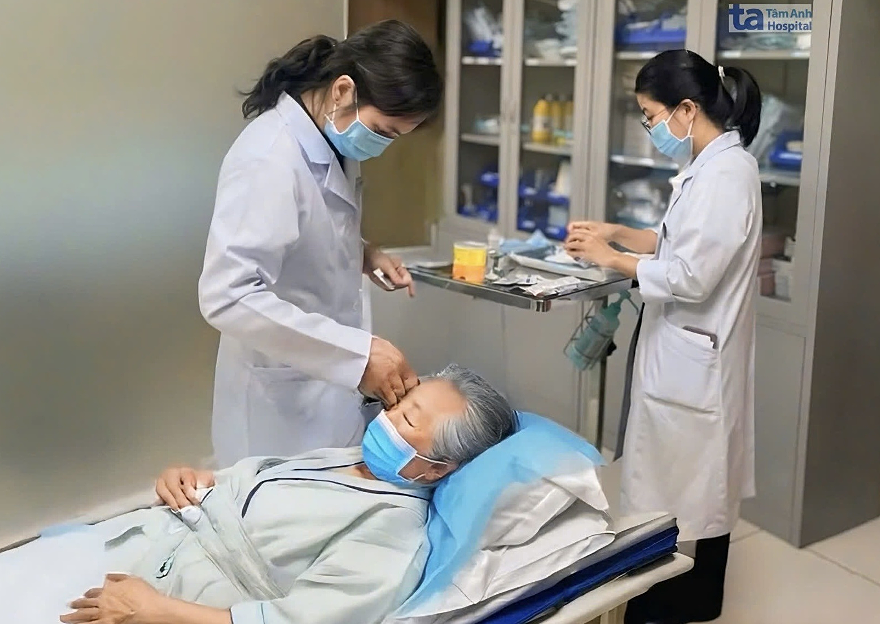 |
A doctor injects botox for patient treatment. Photo: Tam Anh General Hospital |
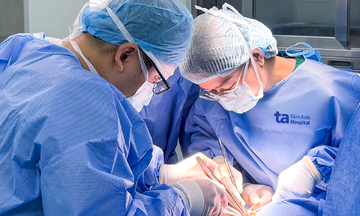
Patients with trigeminal neuralgia experiencing severe pain and vascular compression may be recommended microvascular decompression surgery to address the mechanical cause.
If you experience severe, recurrent facial pain, avoid prolonged self-medication with painkillers. Instead, consult a neurologist for an accurate diagnosis, to rule out secondary causes such as brain tumors or structural damage, and to determine the appropriate treatment plan.
Dr. Nguyen Hoang Minh Thao
Department of Neurology, Neuroscience Center
Tam Anh General Hospital, Ho Chi Minh City
| Readers can submit questions about neurological diseases here for a doctor's response. |