Human longevity is closely linked to the quality of blood circulation. In summer, the risk of cerebral infarction and myocardial infarction increases, with the core reason stemming from negative changes in blood flow.
According to cardiovascular experts, there are three blood conditions that signal a risk of early death. Recognizing these conditions allows individuals to adjust their diet and cultivate "longevity blood".
Thick blood: a risk factor for obesity and high blood pressure
Dr. Higashimaru Takanobu, an emeritus professor at Toho University and head of cardiology at Heisei Yokohama Hospital in Japan, identifies excessively thick blood as a dangerous factor, particularly in summer.
Dehydration is the primary cause of thick blood. When the body lacks water, blood viscosity surges, impeding blood flow. Individuals with thick blood often face risks of high blood pressure or obesity, which can lead to arterial plaque.
To prevent this, people should stay hydrated, especially in hot weather, to avoid increased blood viscosity. Elderly individuals with impaired kidney function can add a small amount of salt to their drinking water.
Fatty blood: a culprit in clot formation
In a lab, a healthy blood sample leaves clear serum after cells settle. However, a high amount of triglycerides turns the serum milky white, indicating fatty blood.
This condition stems from excessive fat or carbohydrate intake. As triglycerides accumulate, fat cells increase and release a substance that prevents blood clot dissolution, making clot formation easier and directly threatening life.
Easily clotting blood: caused by stress, leading to vessel blockage
Dr. Higashimaru Takanobu warns of a third condition, "easily clotting blood," characterized by excessive platelet aggregation, primarily caused by psychological stress.
Normally, platelets clot to stop bleeding. But continuous mental stress stimulates the sympathetic nervous system, increasing platelet-activating hormones. This promotes abnormal clotting and thrombus formation. Urban residents facing constant work pressure are at high risk for this condition.
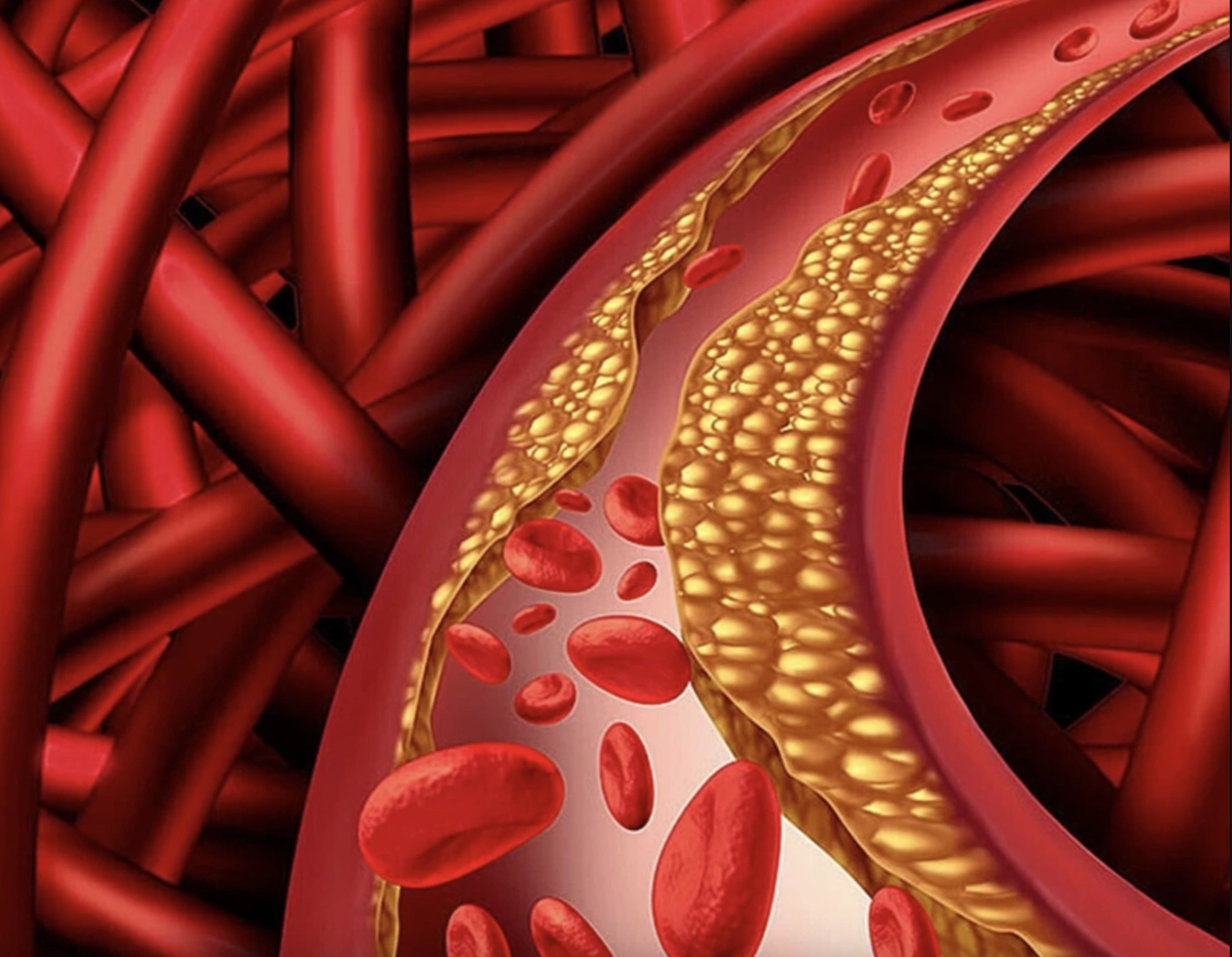 |
Illustration of cholesterol accumulation in blood. *Photo: My Health My Life*
While these three blood conditions are linked to stressful lifestyles and unhealthy eating, Dr. Higashimaru Takanobu states that blood health can be reversed to promote longevity through these nutritional solutions:
Drink one can of tomato juice daily
Dr. Higashimaru Takanobu recommends one can of concentrated tomato juice daily for maximum lycopene absorption. Lycopene, a potent antioxidant, protects cells and organs from free radical damage, slows aging, and prevents bad cholesterol oxidation that blocks blood vessels. It also improves blood viscosity caused by stress.
Increase canned sardines
Professor Igase Michiya of Ehime University in Japan recommends increasing intake of EPA (eicosapentaenoic acid)-rich blue-backed fish, including mackerel, sardines, salmon, and saury.
For example, Inuit people in the Arctic, despite eating few vegetables, have low cardiovascular disease mortality due to a diet rich in seals and EPA-rich fish. EPA reduces blood viscosity, lowers triglycerides and cholesterol, and improves red blood cell function. Canning does not diminish EPA content, making canned sardines a convenient, economical option for daily meals.
Do not eat too much fruit
While fruit is generally healthy, overconsumption—especially of highly sweet fruit juices—poses a significant risk.
Fructose in fruit absorbs faster than other sugars, easily converting into triglycerides in the liver, causing "fatty blood". Eating one small apple daily is safe, but avoid overconsuming overly sweet fruits.
My Y (According to TVBS)