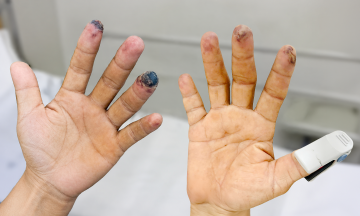
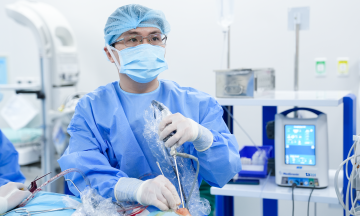
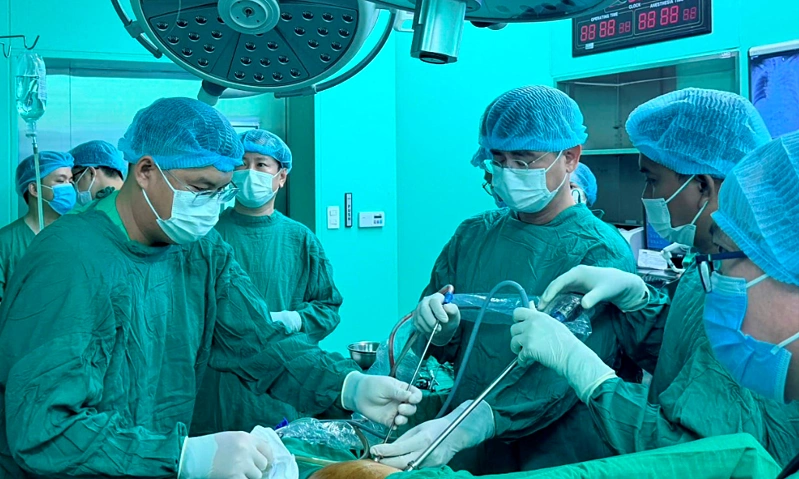
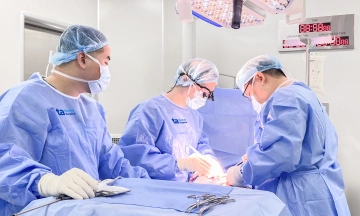
This intervention, using this type of device, marks a first for Vietnam, offering new hope for patients awaiting heart transplants. One week after surgery, the man recovered well, able to walk and perform personal activities independently. Medical staff instructed the patient on device operation and hygiene before discharge.
Four days before the surgery on 10/9, the patient was admitted with severe shortness of breath. Internal medicine treatments had failed, forcing him to remain seated day and night to breathe, and he was unable to care for himself.
In-depth examinations revealed extensive coronary artery damage, severe mitral regurgitation, and a myocardium scarred from previous widespread myocardial infarctions. Facing a situation where coronary revascularization interventions were no longer effective, the medical council ultimately recommended a heart transplant.
However, the persistent scarcity of donor organs leads to prolonged waiting times, while the failing heart chambers cannot maintain hemodynamic stability. Doctors decided to implant the CorHeart 6 device. This device functions as an artificial pump directly attached to the left ventricle—the main heart chamber responsible for pumping blood to the body—to draw blood and pump it directly into the aorta, alleviating the entire circulatory burden on the failing heart.
Lieutenant Colonel, doctor of internal medicine Tran Quang Thai, from the Department of Cardiovascular Surgery, explained that the device acts as a "bridge to life." It helps patients maintain organ function and safely extends their lifespan until a suitable donor heart is found.
Compared to the HeartMate 3 device, which the hospital successfully deployed in 2025, CorHeart 6 offers mechanical advantages. The device measures 34 mm in diameter, 26 mm thick, and weighs 90 g, reducing both size and weight by more than half compared to the older generation (which weighed around 200 g and measured 50 x 34 mm).
According to doctor Thai, the bulky size and high cost of previous devices limited patient access. The compact design of the new machine is compatible with the smaller physique of Vietnamese people and paves the way for treating children with severe heart failure in the future.
To master this mechanical circulatory support technique, Military Central Hospital 108 sent surgical, anesthesia and resuscitation, and rehabilitation teams for systematic training at major cardiology centers in Germany and France since 2023.
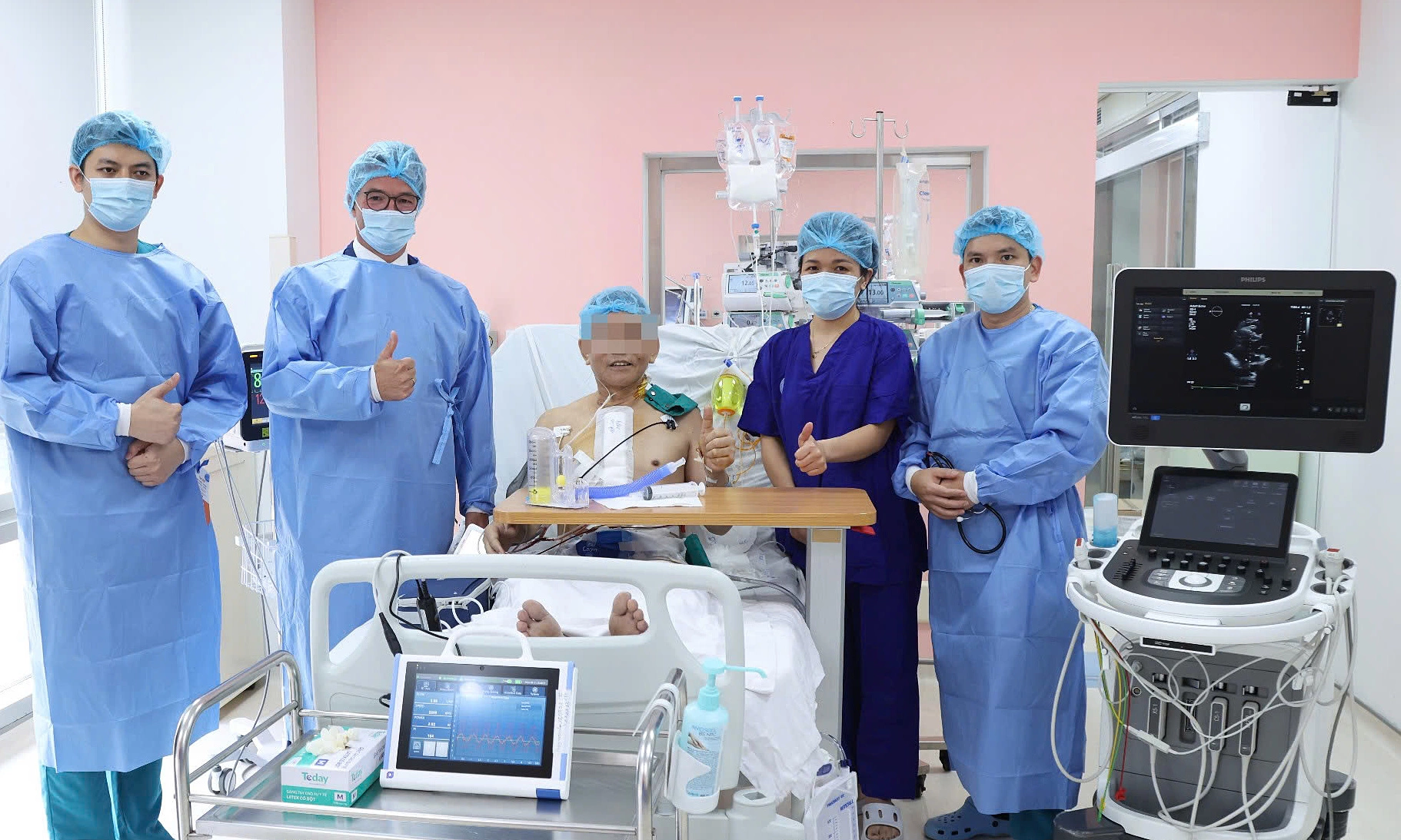 |
The patient is stable after surgery. Photo: Provided by the hospital |
Heart failure represents the end stage of cardiovascular diseases, with the highest mortality rate, surpassing even cancer and stroke. Approximately 50% of heart failure patients do not survive beyond five years post-diagnosis. For patients with end-stage heart failure, this rate is even higher, with an average life expectancy of around 6-12 months and a mortality rate exceeding 75% after one year.
Lieutenant General, professor, doctor of science Le Huu Song, Director of Military Central Hospital 108, assessed that the first CorHeart 6 implantation in Vietnam marks a further development in mechanical circulatory support techniques. This comes as the demand for treatment options for end-stage heart failure patients increasingly requires more choices beyond heart transplantation.
Following this initial CorHeart 6 case, the hospital plans to implement this technique routinely to support more patients with severe heart failure while they await a heart transplant.
Le Nga