Longan fruit offers nutritional benefits but should be consumed in moderation due to its sugar content and "heating" properties. The pulp of longan contains water, vitamins, polyphenols, and polysaccharides, all possessing antioxidant properties. These compounds contribute to nutrient replenishment, support circulation, reduce anxiety, and boost immunity. Some studies suggest that these compounds may help protect liver cells. However, there is no clinical evidence to prove that longan prevents or cures cancer, so it should not be regarded as a medicinal treatment.
Due to its high sugar content and inherent "hot" nature, consuming too much longan can easily lead to internal heat, difficulty sleeping, sore throats, and acne breakouts. It is best to eat only about 15 fresh fruits per day, choosing clean fruit. It is also advisable to limit dried longan, as it contains higher sugar concentrations.
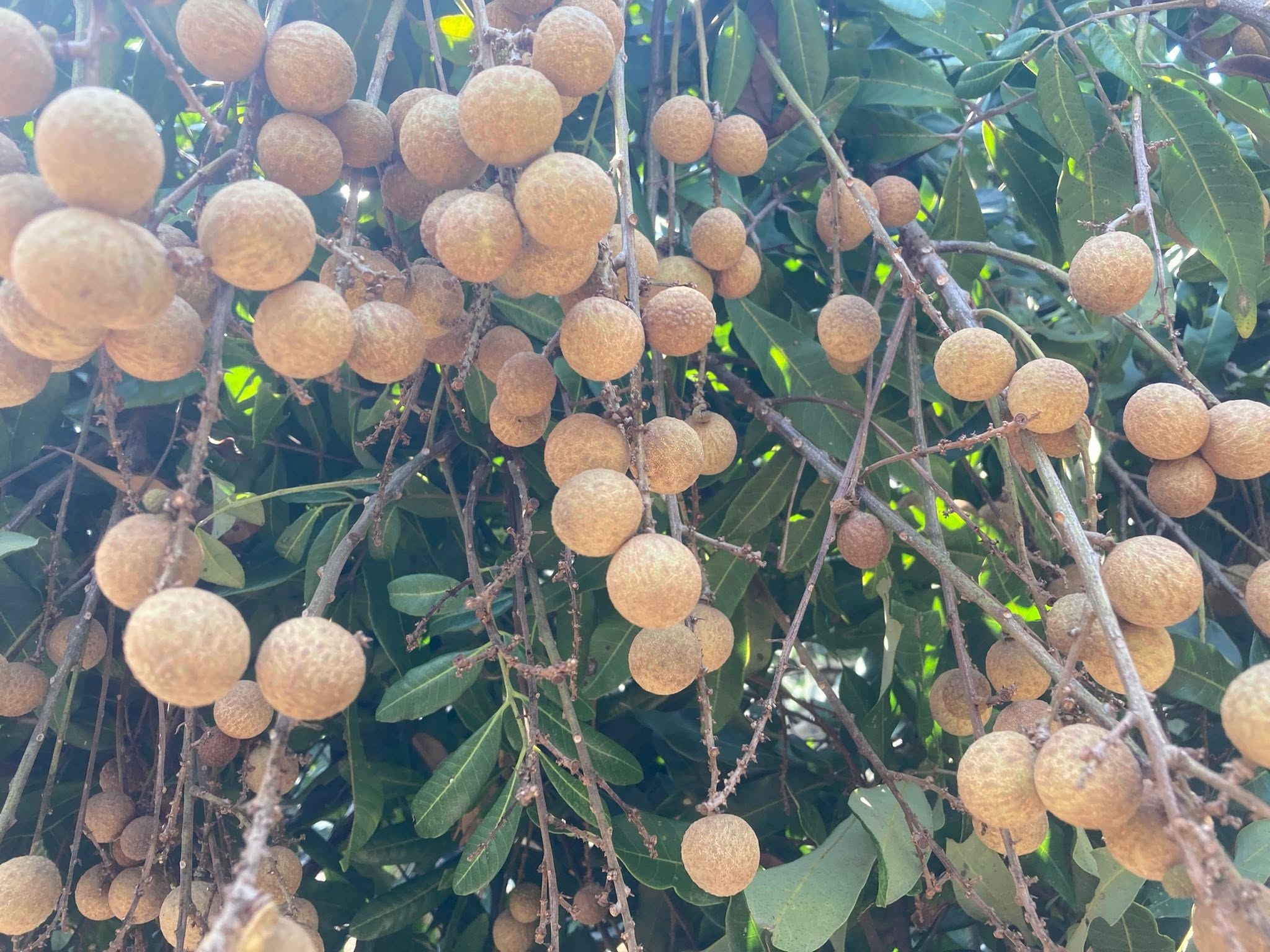 |
Longan pulp contains many healthy substances, but only 15 fruits per day should be eaten. Overuse can cause weight gain, insomnia, and acne. Photo: Dieu Thuan |
While longan does not cure liver cancer, understanding the actual causes and preventive measures for this disease is crucial. Liver cancer is primarily linked to factors such as alcohol, tobacco, moldy foods, fatty liver disease, hepatitis B, and hepatitis C. Notably, hepatitis B is associated with 50-80% of liver cancer cases. To prevent liver disease, individuals should adopt a healthy diet, limit alcohol consumption, avoid moldy foods, prioritize steamed and boiled dishes, and undergo regular health screenings.
The main transmission routes for hepatitis B and hepatitis C are blood and sexual contact. Therefore, practicing safe sex and avoiding the sharing of items that can cause skin abrasions, such as toothbrushes, nail clippers, razors, scissors, and tweezers, are essential preventive measures.
Vaccination, with booster shots when antibody levels decline, is a highly effective method for preventing hepatitis B. Vietnam currently offers both a monovalent hepatitis B vaccine and a combined vaccine that also protects against hepatitis A in a single injection. These vaccines are suitable for both children and adults. Adults should undergo antibody quantification testing before vaccination. The typical vaccination schedule consists of three doses administered over 6 months. For individuals in high-risk groups, such as those living with an infected person, working in professions with exposure risks, or frequently exposed to blood, an accelerated schedule of four doses over 12 months is recommended. In this accelerated regimen, the first three doses are given within one month, with the fourth dose administered one year after the first.
Doctor Nguyen Duc Ba Dat
Medical Manager, VNVC Vaccination System
Readers can submit vaccine-related questions for a doctor to answer here.