A computed tomography (CT) scan at Tam Anh General Hospital Hanoi revealed Mr. Truong had a pleural fluid layer up to 65 mm thick. This fluid collection compressed his left lung, reducing its volume and causing partial parenchymal collapse. The accompanying pneumonia led to hypoxemia and significantly impaired his respiratory function. Doctors performed a pleural tap, aspirating purulent fluid, and also noted white purulent fluid within his bronchi.
Doctor Phung Thi Thom, from the Respiratory Department, diagnosed the patient with complicated pneumonia leading to pleural empyema. This severe infection occurs when inflammation from the lung spreads into the pleural cavity, causing fluid secretion, infection, and pus formation.
 |
Doctor Thom listening to the patient's lungs. Photo: Tam Anh General Hospital |
Doctor Thom listening to the patient's lungs. Photo: Tam Anh General Hospital
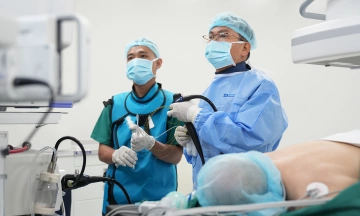
To manage the infection, doctors placed a pleural drain, aspirating approximately 500 ml of cloudy yellow pus during the initial procedure. The patient presented with numerous loculated pus collections, which trapped the fluid within the pleural cavity and made complete drainage difficult. Consequently, doctors injected fibrinolytic drugs directly into the pleural cavity. This treatment aimed to break down the fibrin septa, formed by the inflammatory response, to release trapped pus and facilitate its drainage through the tube. This intervention successfully helped the patient avoid surgery to clean the pleural cavity.
After one week of treatment, Mr. Truong had his drainage tube removed and continued with prolonged antibiotic therapy. The amount of pleural fluid gradually decreased. At a follow-up appointment in early August, his lungs had expanded well, and his respiratory function returned to normal.
Doctors advise individuals experiencing persistent symptoms such as chest pain, fever, coughing up phlegm, or shortness of breath to seek medical attention promptly. Delayed treatment can lead to complications like pleural empyema, lung abscesses, or the pleural fluid progressing to a loculated stage, which makes treatment challenging and increases the risk of respiratory failure and further infection.
Hoang Duong
*The patient's name has been changed
| Readers can send questions about respiratory diseases here for doctors to answer. |