Answer:
Pregnant women with gestational diabetes do not necessarily have to completely avoid white rice or sticky rice. Brown rice is a preferred option because it contains more fiber than white rice.
The key is to control the total carbohydrate intake, choose appropriate starch sources, and distribute meals throughout the day to prevent high blood sugar after eating. Brown rice still contains carbohydrates, and consuming too much can still elevate blood sugar levels.
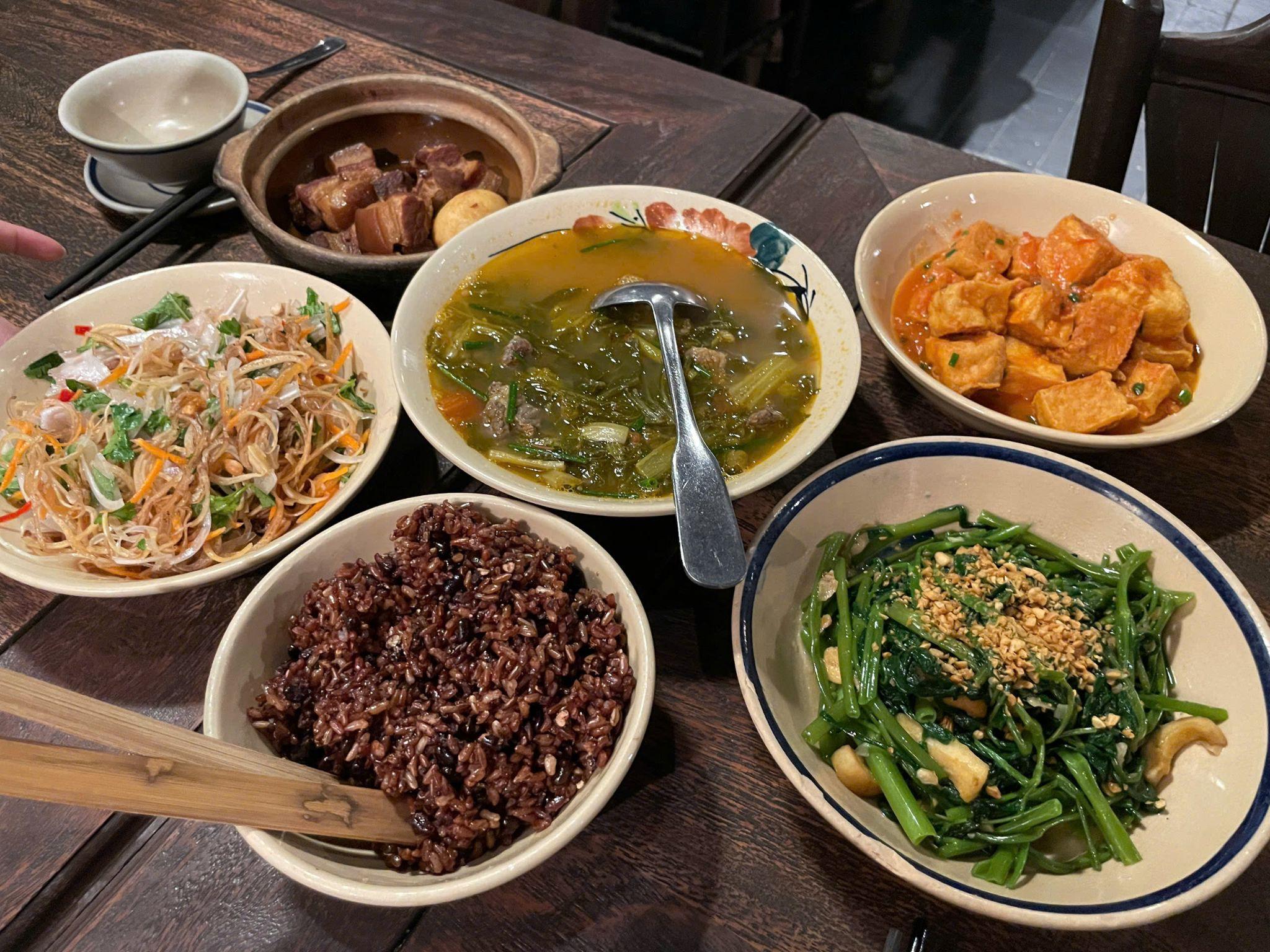 |
Pregnant women can choose to eat various types of rice; they are not limited to only brown rice. *Photo: Thu Pham* |
Other carbohydrate sources, such as oats, whole-grain bread, and legumes, are also options. If consuming white rice or sticky rice, pregnant women should pay attention to portion sizes and how these are combined with other food groups. Each pregnant woman may have a different blood sugar response to the same food. Therefore, it is important to monitor blood sugar levels as advised by a doctor to adjust the diet accordingly.
A meal should be balanced with appropriate amounts of carbohydrates, protein, fats, and vegetables. Pregnant women can prioritize low-starch vegetables, choose protein sources like fish, lean meat, eggs, milk, and soy products, and control the amount of rice or other carbohydrate-rich foods in each meal.
Avoid consuming too many carbohydrates in one meal, such as large portions of rice, sticky rice, vermicelli, pho, or flour-based dishes, and then skipping subsequent meals. Combining carbohydrates with protein, fiber, and fats can help slow digestion and control blood sugar after eating.
Energy and carbohydrate needs must be individualized based on energy requirements, gestational age, weight gain, and individual blood sugar monitoring results. The diet during pregnancy must still ensure sufficient energy and nutrients for both the mother and fetus.
Pregnant women should limit foods and drinks high in sugar, such as soft drinks, milk tea, bottled fruit juice, pastries, and ice cream. These foods provide many carbohydrates but offer little nutritional value.
Regarding fruit, pregnant women should prioritize eating whole fruit in appropriate portions rather than regularly consuming juice. When juiced, the fiber content can be removed or significantly reduced.
In addition to added sugar, pregnant women should also be mindful of refined starch sources like white bread. These foods are often low in fiber, causing blood sugar to rise faster compared to high-fiber, minimally processed carbohydrate sources.
If dietary adjustments, appropriate food choices, and guided exercise do not adequately control blood sugar, pregnant women should consult their doctor again. It is not advisable to continue self-restricting food, fasting, or forcing oneself to eat brown rice solely for gestational diabetes management.
Nutritionist Do Thi Lan
Department of Nutrition
Tam Anh General Hospital, Hanoi
| Readers can submit nutrition questions here for a doctor's response. |