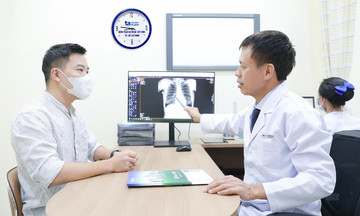
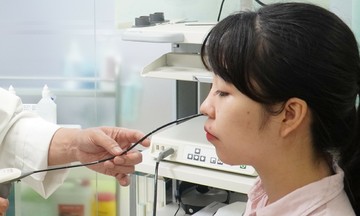
Dr. Le Hong Nga, Deputy Director of the Ho Chi Minh City Center for Disease Control (HCDC), announced the completion and strengthening of 10 rapid response teams (RRTs). These teams are ready for activation to protect public health, particularly during the Tet Binh Ngo holiday. This initiative comes as the city's administrative area has significantly expanded following the merger of Binh Duong and Ba Ria Vung Tau, encompassing 168 commune-level administrative units.
The city faces a soaring population, an expanded geographical area, increased international trade pressure, and climate change. These factors elevate the risk of dangerous infectious diseases appearing. This reality necessitates an upgrade in the preventive healthcare system's surveillance capacity for early detection and timely response.
The HCDC has reviewed and reorganized its forces, unifying predecessor units from former localities into a cohesive model. Each team comprises 10 members, including a team leader, epidemiology officer, laboratory technician, environmental handler, communications specialist, environmental health officer, logistics personnel, and a driver. These members rotate on standby to ensure mobility.
According to Dr. Nga, this multidisciplinary structure enables the teams to operate independently. They can deploy integrated activities, from investigating and managing outbreaks to controlling infection, immediately upon reaching a site. All operations adhere to the "4 on-site principles": on-site command, personnel, equipment - supplies, and logistics. Upon detecting a suspected case or an epidemic warning signal, an RRT will be activated immediately to conduct epidemiological investigations, assess risks, contain and manage outbreaks, and provide professional support to grassroots healthcare facilities.
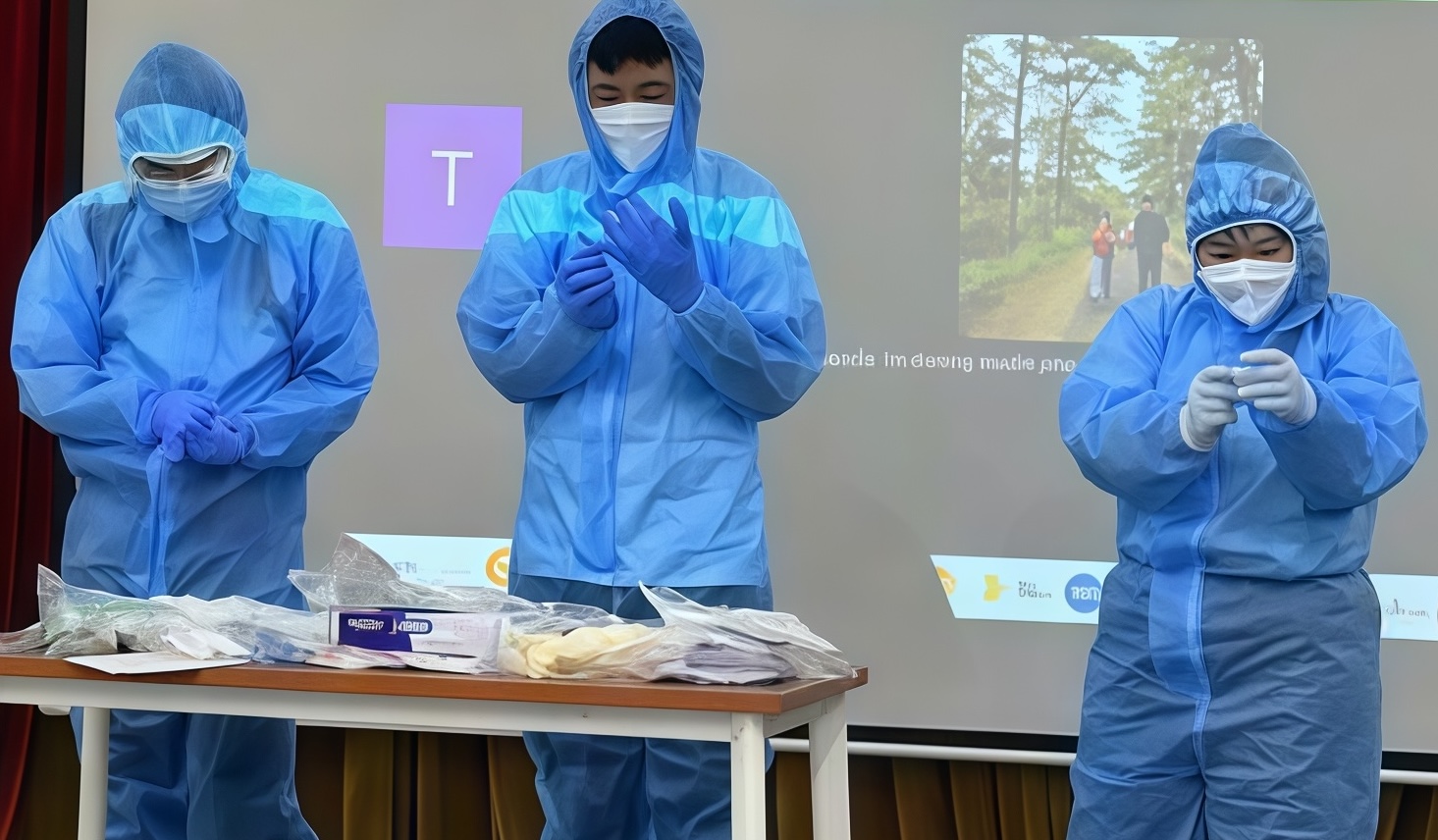 |
Member of the Rapid Response Team (RRT) being instructed on the proper use of personal protective equipment (PPE). Photo: HCDC
In the coming period, it is anticipated that each ward, commune, and special zone health station will establish at least mot RRT. These local teams will coordinate closely with HCDC teams. The goal is to form an integrated, interconnected, and seamless rapid response network across the city. This network will strengthen the surveillance system and protect health security in the new context.
Le Phuong