Laryngopharyngeal reflux is a condition where stomach contents, including acid, pepsin, and sometimes bile, flow back into the pharynx, larynx, and nasal sinus cavity.
Individuals with laryngopharyngeal reflux may experience symptoms such as persistent hoarseness, a sensation of a lump in the throat, burning in the throat, chronic cough, and frequent throat clearing. These symptoms often worsen in the morning or after a heavy meal. As these symptoms are non-specific and easily mistaken for common illnesses, many patients receive incorrect treatment, which negatively impacts their stomach and overall health.
Dr. Pham Vu Hong Hanh, from the Ear, Nose, and Throat Center at Tam Anh General Hospital Hanoi, states that Tet is a time when people typically eat more than usual, often consuming dishes rich in fat, carbohydrates, and sweets. During Tet, people also tend to stay up late and are less physically active, all of which are factors that increase the risk of laryngopharyngeal reflux.
 |
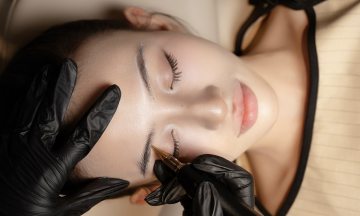
Laryngopharyngeal reflux causes hoarseness and a burning sensation in the throat. *AI-generated image*. |
Dr. Hanh provides guidance on several ways to help control and prevent the recurrence of laryngopharyngeal reflux.
Eat moderately, avoid trigger foods
During Tet, individuals with a history of laryngopharyngeal reflux should limit fried foods, fatty dishes, spicy and sour items, chocolate, sweets, banh chung, and sticky rice foods. These foods digest slowly, remain in the digestive system longer, and can easily trigger reflux. Avoid overeating, opt for smaller, more frequent meals, and refrain from eating late at night, especially three hours before sleep.
Limit alcohol and carbonated drinks
Alcohol relaxes the lower esophageal sphincter, allowing stomach acid to easily reflux into the esophagus and throat. Carbonated drinks increase pressure in the stomach, worsening reflux. If consumed, drink small amounts slowly and avoid drinking on an empty stomach.
Maintain proper posture
After meals, patients should sit upright or walk gently, avoiding lying down. When sleeping, elevating the head of the bed by about 10-15 cm can help reduce nighttime reflux.
Keep throat and neck warm and protected
The cold weather during Tet can make the throat dry and more sensitive. According to Dr. Hanh, patients should keep their neck warm, limit speaking loudly or excessively, avoid shouting, and refrain from overstraining their voice when singing. Drinking enough warm water and gargling with saline solution daily helps soothe the throat lining.
Maintain a balanced lifestyle
Staying up late and prolonged stress can increase stomach acid secretion. Everyone should get enough sleep, maintain a relaxed state of mind, and continue light exercise such as walking, stretching, or yoga, even during Tet.
If symptoms such as hoarseness, dry cough, or a sensation of a lump in the throat persist for more than two to three weeks, recur frequently, or do not improve despite lifestyle changes, patients should seek medical examination for proper diagnosis and treatment.
Hieu Nguyen
| Readers can submit questions about ear, nose, and throat conditions here for doctors to answer. |