The digestive system is directly affected by diet. During Tet, changes in lifestyle and eating habits increase the risk of bloating, indigestion, heartburn, and gastroesophageal reflux. Master, Doctor Vo Ngoc Diem, from the Department of Gastroenterology, Endoscopy and Gastrointestinal Endoscopic Surgery Center, Tam Anh General Hospital TP HCM, points out several eating mistakes during Tet that are detrimental to stomach health.
Eating too much starch and fat
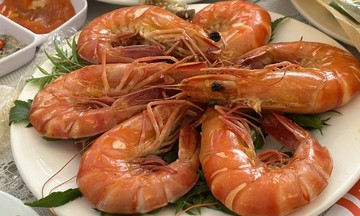
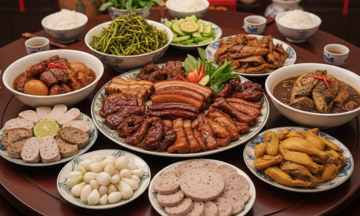
Banh chung, banh tet, gio cha, cold cuts, and sausages are common dishes on Tet festive tables. However, these are rich in starch and saturated fats. Excessive consumption forces the stomach to work continuously, contracting and secreting digestive fluids, which makes food linger longer, leading to bloating, distension, and indigestion.
Eating many of these dishes also relaxes the lower esophageal sphincter, allowing stomach acid and food to reflux into the esophagus. Additionally, fat digestion requires the pancreas and gallbladder to work harder, putting significant strain on the digestive system. On average, the stomach needs about 4-5 hours to digest a high-fat meal. If meals are too close together, the digestive system becomes overloaded as new food is consumed before the previous meal is fully digested.
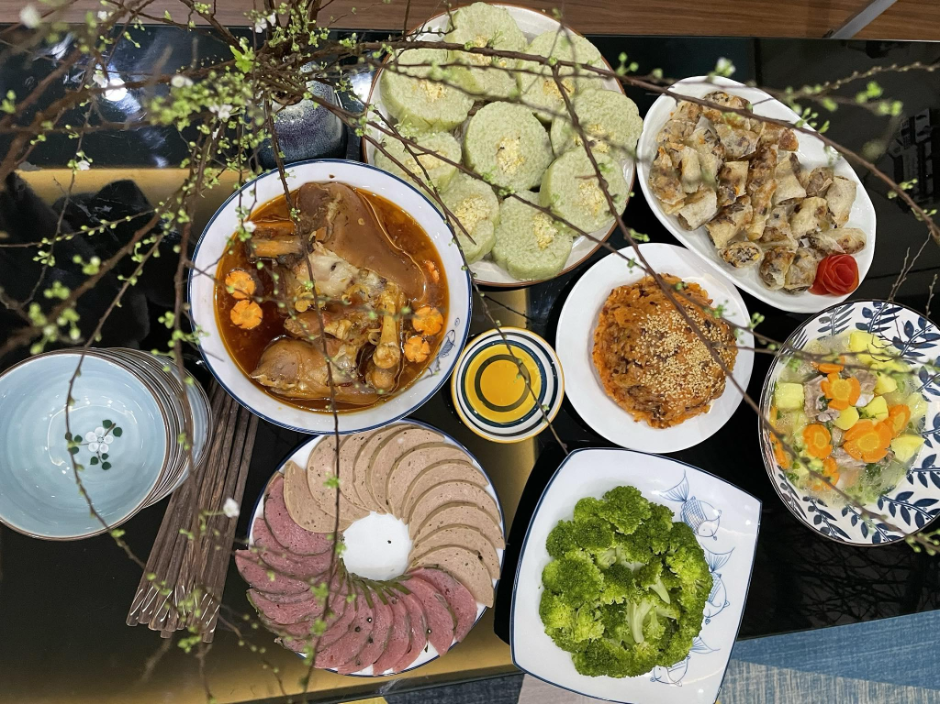 |
Tet dishes are often high in starch and fat. Photo: Anh Chi. |
Irregular eating, skipping meals
Staying up late and waking up late during Tet leads to irregular eating times, skipping main meals, and snacking throughout the day. Leaving the stomach empty for too long before eating a large meal can stimulate excessive acid secretion, damaging the stomach lining. Over time, this condition causes epigastric pain (above the navel), gastritis, and worsened symptoms.
Eating late at night, lying down immediately after meals
Eating late in the evening prevents the stomach from fully digesting food, while lying down reduces the effect of gravity, facilitating stomach acid reflux into the esophagus.
Excessive alcohol and carbonated drinks consumption
Alcohol in beer and wine increases acid secretion, breaks down the mucosal protective barrier, and reduces stomach motility, causing food to remain longer and easily leading to bloating, nausea, and indigestion. According to Doctor Diem, a dangerous complication of alcohol is gastric bleeding, which often occurs when drinking heavily or on an empty stomach. Alcohol dilates blood vessels beneath the mucosa, which can rupture, causing vomiting and bloody stools.
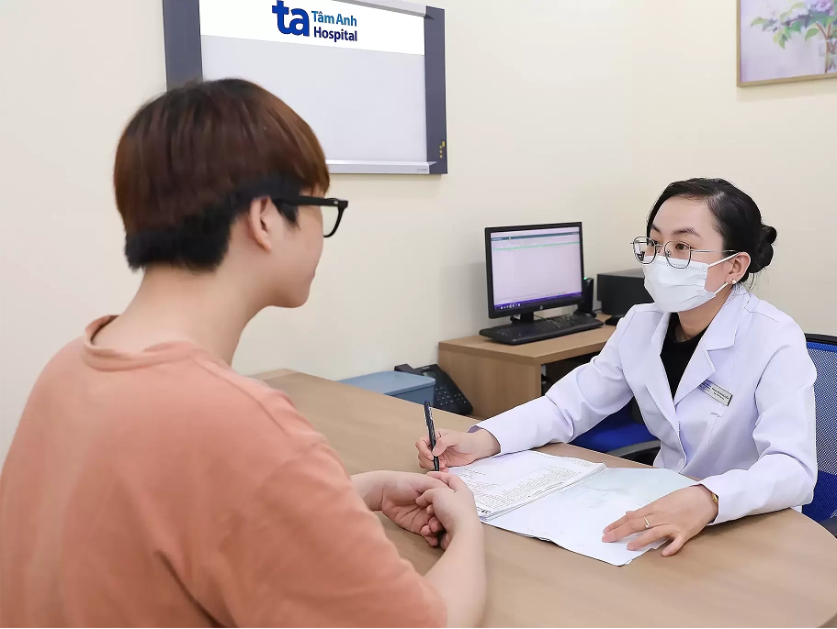 |
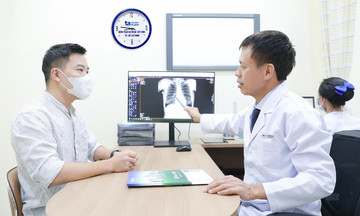
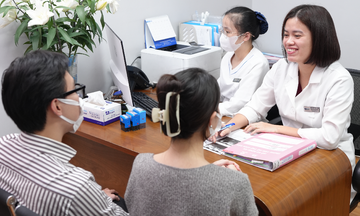
Doctor Diem examines a patient. Illustration: Tam Anh General Hospital. |
Lack of green vegetables and fiber
The Tet diet is often rich in refined foods but lacks green vegetables and fiber, which reduces intestinal motility, causing constipation, flatulence, and bloating. A lack of fiber is a factor that imbalances the gut microbiome, reduces digestive efficiency, and forces the stomach to work harder to compensate. This condition increases intra-abdominal pressure, worsening symptoms of reflux and indigestion.
To protect the digestive system during Tet, Doctor Diem advises everyone to maintain a balanced diet, eat regular meals, and avoid overeating. Increase green vegetables and fruits, and limit alcohol. It is important to eat slowly, chew thoroughly, avoid late-night meals, and not lie down immediately after eating. If prolonged digestive disorders occur, patients should consult a gastroenterology specialist for timely examination and treatment.
Thao Nhi
| Readers can ask questions about digestive diseases here for doctors to answer. |