Answer:
Allergic rhinitis is a condition where the nasal passages become irritated and inflamed due to environmental triggers such as pollen, dust mites, smoke, dust, and animal dander. Flare-ups are common during Tet Nguyen Dan, which is a transitional period between seasons. Year-end house cleaning activities also disperse common allergens like dust, pet dander, and mold spores into the air.
According to forecasts, a moderate cold front will sweep across the northern region on the night of 16/2, bringing scattered light rain that will last until 19/2. Nighttime and morning temperatures will be cold, dropping to a low of 16-20 degrees Celsius. Cold and sudden weather changes can irritate the nasal lining, triggering allergic rhinitis. Therefore, it is important to keep your nose and throat warm when outdoors, especially in the early morning and at night.
To remove allergens and limit nasal membrane irritation, you should rinse your nose with 0.9% physiological saline solution after exposure to smoke, dust, or pollution. Gargling with physiological saline solution also helps cleanse the pharyngeal area, reducing the risk of upper respiratory infections.
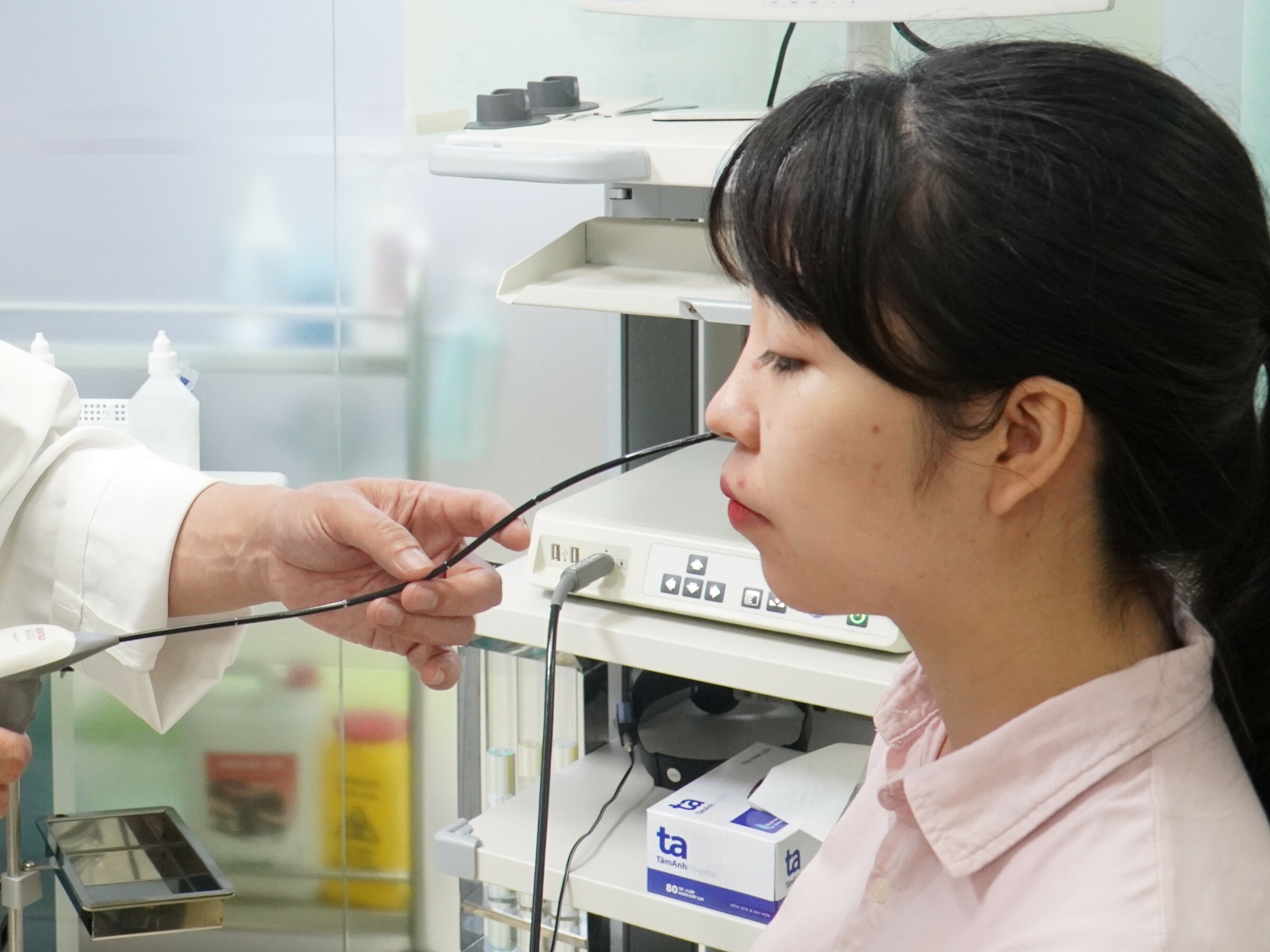 |
A patient undergoes a nasal endoscopy examination by a doctor. Illustration: Tam Anh General Hospital |
To prevent allergic rhinitis recurrence, wear a mask and gloves when cleaning your home to avoid inhaling dust. Blankets, sheets, pillows, mattresses, and curtains should be washed thoroughly and regularly sun-dried completely before use to eliminate parasitic dust mites. Limit contact with household pets and areas with heavy smoke, strong odors, or air pollution.
Spring is a time when a lot of pollen is dispersed in the air. Individuals with allergies, like you, should consider purchasing an air purifier for their home and avoid going near flower gardens or areas with many ornamental flowers. When burning incense, wear a mask and do not stay too long in the ancestor altar room. Rinse your eyes and nose with physiological saline solution if incense smoke causes irritation. During the Tet holidays, proactively boost your immune system by eating nutritious foods, limiting alcohol, getting enough sleep, and maintaining a regular sleep schedule; avoid staying up too late.
Allergic rhinitis is not life-threatening. However, if not treated properly, it can lead to complications such as acute and chronic sinusitis, or nasal polyps, which can affect one's quality of life. If allergic rhinitis symptoms persist for many days without improvement, or if you experience headaches, facial pain, or fever, you should see a doctor for treatment to control the condition and avoid affecting your health and daily activities in the new year.
Master. Doctor. Nguyen Chi Trung
Ear, Nose, and Throat Center
Tam Anh General Hospital Hanoi
| Readers can submit questions about ear, nose, and throat conditions here for doctors to answer |