As the Lunar New Year approaches, families often buy large quantities of food. Refrigerators become temporary storage, which, despite offering a sense of security, quietly increases the risk of food spoilage and bacterial growth.
Ly Bo Ni, Head of Nutrition at Taipei Hospital, a nutritionist, stated that digestive disorders, diarrhea, and food poisoning common during the Lunar New Year often stem not from dishes served on the table, but from food safety issues originating in "shopping and refrigerator management."
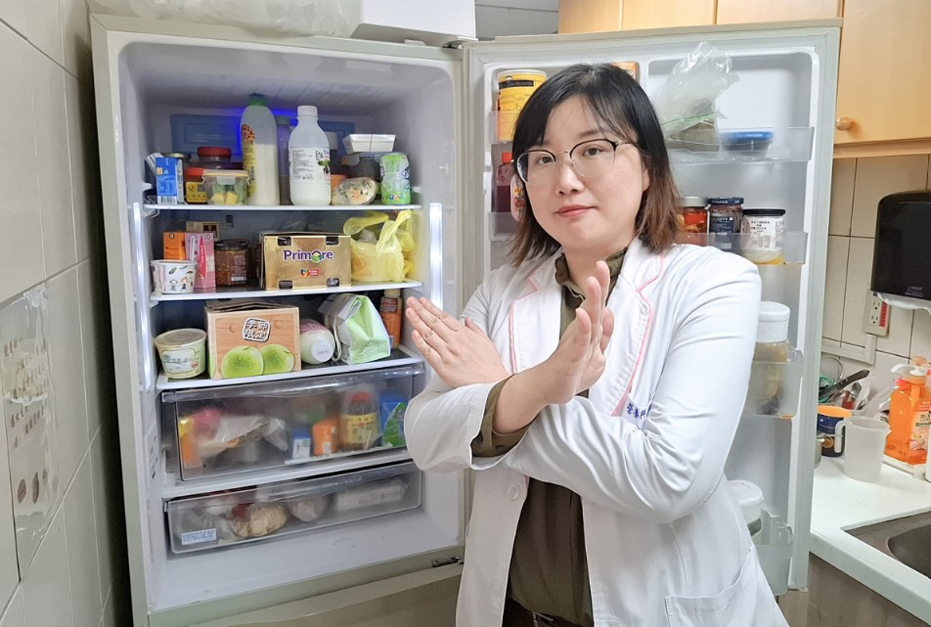 |
Nutritionist Ly Bo Ni. *Taiwan News Cloud* |
She identified "over-shopping" and "over-storage" as two common mistakes during Lunar New Year. Many individuals shop for Tet without checking their refrigerator's current contents, leading to duplicate purchases of frozen meats and fish. People easily forget these items, increasing spoilage risk from prolonged storage. She warned that freezing is not a "magic wand"; it only slows deterioration and does not ensure permanent food safety.
The nutritionist advises consumers to check existing refrigerator contents before shopping. They should then plan menus based on the number of people eating and actual meals. Avoid buying too much at once; purchase only the amount of food the family will certainly consume. For larger quantities, consider multiple shopping trips to prevent over-storage and ingredient spoilage. This approach reduces food safety risks and eases the burden of meal preparation and cleanup during the holidays.
Beyond over-shopping, overstuffing the refrigerator is another common mistake. Nutritionist Ly Bo Ni recommends filling the refrigerator to only 70-80% of its capacity. The remaining space allows cold air to circulate, helping the fresh food compartment stay below 7°C and the freezer below -18°C. Overfilling prevents even cold distribution, leading to insufficient cooling and rapid food spoilage.
After purchasing food, portion it into meal-sized servings, label containers with dates, and follow the "first-in, first-out" principle. This prevents repeated thawing or forgotten food, which are "ticking time bombs" for food safety during Lunar New Year.
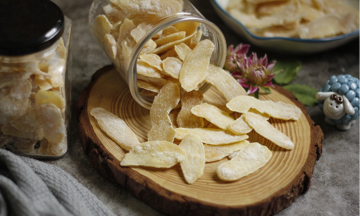
The nutritionist also noted that dry ingredients, such as wood ear mushrooms and shiitake mushrooms, can be stored at room temperature in a dry, cool, and airy place without refrigeration. Limiting these unnecessary items actually helps maintain a more stable refrigerator temperature.
Dedicating time to clean and organize the refrigerator before Lunar New Year effectively minimizes food safety risks throughout the holiday. According to Ly, food safety during Tet hinges on management, not on the quantity stored. Proper refrigerator maintenance and meticulous food preparation planning before the New Year are crucial for ensuring safe, relaxed meals and preventing health risks for the entire family caused by improper dietary practices.
Binh Minh (*Health News*)