On 27/1, Doctor Tra Anh Duy, a second-degree specialist at Men's Health Center, reported that the patient sought examination for painful urination that had persisted for almost one week, accompanied by discomfort in the lower abdomen. This followed a prolonged period of continuous partying and significant alcohol consumption. Believing his symptoms were due to "internal heat" from drinking, the man had self-administered various cooling drinks and detoxifying medications at home, but his condition did not improve.
Tests revealed a high white blood cell count in his urine, and a urine culture tested positive for Escherichia coli, a common bacterium causing urinary tract infections. An ultrasound indicated prostatic congestion, although his PSA levels—a test supporting prostate cancer screening—remained within normal limits.
Doctors diagnosed the patient with acute prostatitis, exacerbated by the strong irritant effects of alcohol. He received antibiotic treatment based on an antibiogram, combined with anti-inflammatory medication and lifestyle adjustments.
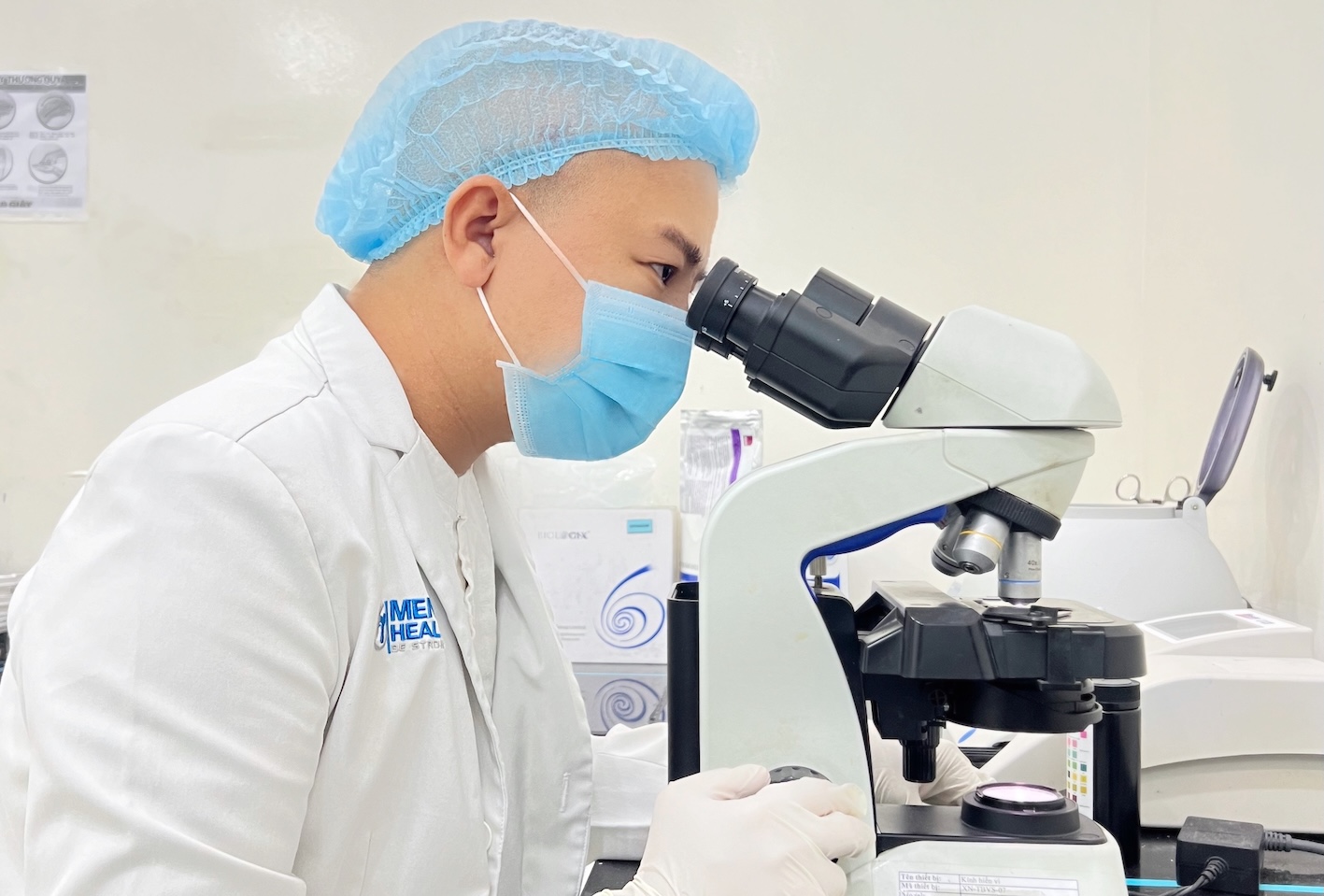 |
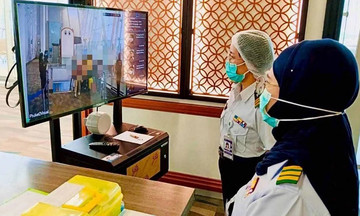
Doctors review a patient's test samples. Photo: Lam Anh |
According to doctor Duy, alcohol acts as a stimulant that dilates blood vessels and causes congestion in the pelvic area, including the prostate gland. Excessive alcohol consumption without adequate water intake makes urine more concentrated, which can irritate the urinary tract lining. Concurrently, alcohol weakens the immune system, creating favorable conditions for bacteria to ascend and cause genitourinary infections.
A common mistake among many men is confusing painful or frequent urination caused by infection with "internal heat," leading them to self-medicate with cooling remedies. This approach is not only ineffective but can also worsen the condition or lead to chronic issues that are difficult to treat.
In reality, after days of continuous drinking, many individuals may experience painful urination, a burning sensation, or warmth in the urethra. If these symptoms are transient and subside with adequate hydration, they are usually not concerning. However, if painful urination persists for many days, recurs after each drinking episode, or is accompanied by frequent urination, urgency, or pain in the lower abdomen or perineum, conditions such as urethritis, cystitis, or prostatitis should be considered.
Doctors advise men to limit excessive alcohol consumption, particularly during holidays, and to drink sufficient water to aid the urinary system in toxin elimination. Should unusual symptoms like persistent painful or frequent urination appear, it is crucial to seek specialized medical attention and avoid self-diagnosis and home treatment.
Le Phuong