Dr. Tran Huynh Tan, Medical Manager at VNVC Vaccination System, stated that dogs are close companions to humans but also pose a risk of serious injury, especially to young children if not properly managed with muzzles, leashes, or supervision during interaction.
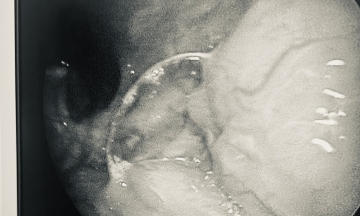
According to Dr. Tan, dog bite incidents causing multiple injuries requiring hospitalization are common. For instance, in early January, the National Children's Hospital admitted a 3-year-old boy from Hai Phong who was bitten in the left chest by a dog weighing about 30 kg. This resulted in hemothorax, pneumothorax, fractured ribs, and respiratory failure. The boy needed mechanical ventilation, intensive care, and received both vaccine and anti-rabies serum to overcome the critical condition.
At VNVC, many people seeking rabies vaccination reported severe dog bite injuries from childhood. Trong Phuong, 31, from Thu Duc ward, TP HCM, remains haunted and vigilant around dogs after being bitten through the chest at age 7. He required nearly one month of treatment and simultaneous administration of vaccine and anti-rabies serum. Years later, he was again bitten on the leg while paying at a restaurant, necessitating anti-rabies serum and 5 doses of rabies vaccine due to the bleeding wound on his extremity.
 |
Dogs are loyal companions and close to humans, yet they also pose many risks of accidents for owners, especially children. *Photo: Vecteezy*
Based on these cases, Dr. Tan observed that many families remain complacent, believing their pets are gentle, have never bitten anyone, and thus pose no risk of severe injury, or that vaccinated pets cannot transmit disease. However, according to guidelines from the Ministry of Health, individuals bitten, scratched, or licked on an open wound by a dog or cat still need to seek vaccination, even if the pet has been vaccinated against rabies.
Dr. Tan advises families, especially those with young children, against keeping large dogs indoors. Pets should be fully vaccinated against rabies and muzzled. When children play with pets, close supervision is essential to prevent unfortunate incidents.
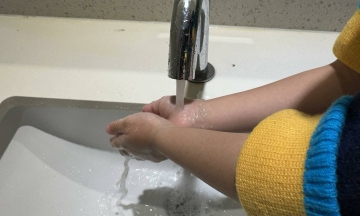
If bitten, the wound should be treated with the following steps: thoroughly wash for 15 continuous minutes under running water and soap, then disinfect with 45-70 degree alcohol or iodine alcohol to minimize the amount of rabies virus at the bite site, and get vaccinated as soon as possible.
 |
Many people receive rabies vaccinations at VNVC Kha Van Can after being bitten or scratched by dogs, cats, or rats. *Photo: Dieu Thuan*
Currently, Vietnam circulates two types of rabies vaccines, from India and France, which can be administered for pre-exposure and post-exposure prophylaxis. For post-exposure vaccination after a bite or scratch, 5 intramuscular doses are required on days 0, 3, 7, 14, and 28, or 8 intradermal doses on days 0, 3, 7, and 28.
If the animal shows signs of rabies, cannot be monitored, or if the wound is near the central nervous system, such as the head, face, neck, or extremities, individuals need additional anti-rabies serum. For pre-exposure vaccination, the schedule includes three doses on days 0, 3, 21 or 28, administered intramuscularly and intradermally.
For individuals who have completed both pre-exposure and post-exposure regimens, subsequent bites or scratches only require two vaccine doses, without the need for serum. However, current rabies vaccines use new technology. Therefore, if a person previously received an older generation rabies vaccine for a bite, scratch, or lick, they will need to restart the regimen with the new generation vaccine as prescribed by a doctor.
Dieu Thuan