Answer:
Mangosteen (Garcinia mangostana), a renowned tropical fruit widely cultivated in Southeast Asia, including Vietnam, should not be consumed as a substitute for vegetables. While it offers nutritional benefits, the fruit's pulp contains significant natural sugars. Eating large quantities over an extended period can elevate blood sugar levels, potentially impacting health negatively. Individuals with diabetes or those taking anticoagulant medication should consume mangosteen in moderation.
Despite this, mangosteen is a nutritious fruit, rich in fiber, vitamin C, potassium, and various antioxidant compounds, particularly xanthones. These components help protect cells from free radical damage and support immune and digestive functions. Scientific evidence suggests xanthones possess anti-inflammatory and antibacterial properties, though further research is needed to confirm their efficacy in humans.
In traditional medicine, mangosteen rind is used to prepare teas or herbal remedies for skin infections, urinary tract infections, dysentery, abdominal pain, and diarrhea. However, these products are not a complete replacement for prescribed medication.
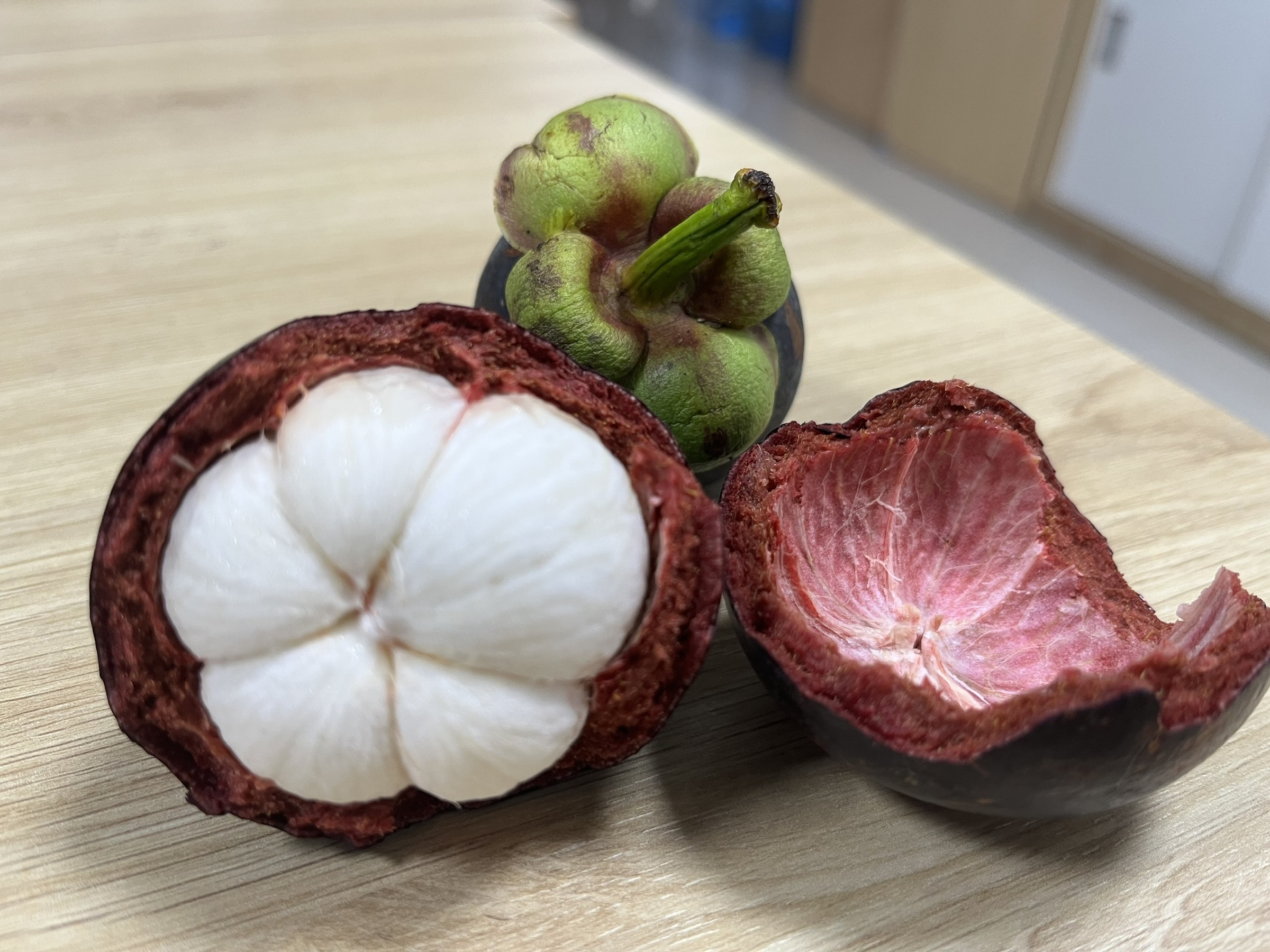 |
Mangosteen is nutritious and delicious but should not replace vegetables. Photo: Dieu Thuan
According to the World Health Organization (WHO), a healthy diet provides adequate nutritional needs, balances energy sources including protein, fat, and carbohydrates, and promotes moderation and dietary diversity.
For people over 50, the immune system gradually weakens due to age, chronic illnesses, immunosuppressant use, sleep deprivation, and prolonged stress, increasing the risk of infectious diseases. These can originate from the environment, such as flu, pneumococcus, respiratory syncytial virus (RSV), and meningococcus, or from the reactivation of viruses like the chickenpox virus causing shingles. Therefore, in addition to a healthy diet and lifestyle, individuals should review their vaccination history and get any missing doses to proactively prevent illness.
Moreover, maintaining good hygiene is crucial. People should regularly wash their hands, especially before eating or after using the restroom, wear masks in crowded places, engage in regular and appropriate physical activity, avoid stress, and get sufficient sleep.
Doctor Phan Nguyen Truong Giang
Medical Manager, VNVC Vaccination System
Readers can submit vaccine-related questions for the doctor to answer here.