Late-stage liver cancer presents one of the most severe challenges, with a 5-year survival rate of just 5%. This is especially true for elderly patients with underlying cirrhosis, hepatitis B, and large liver tumors. However, instead of confining a patient's life to numbers like three or six months, Doctor Ha Hai Nam, Deputy Head of Abdominal Surgery 1 at Benh vien K, thoroughly reviewed the test results and proposed a new treatment method.
"With current medicine, many new drugs can offer impressive extended survival times, even 5 years or longer," Doctor Nam reassured the patient, who was on the verge of giving up hope.
Trusting the doctor's plan, the man began a long battle with the most advanced targeted therapies available in 2013.
After one "fateful" year, he remained healthy enough to continue his work. The patient stayed on medication for 7 years. When the old regimen no longer worked, he optimistically transitioned to a new therapy.
"That journey lasted 13 years, 13 times longer than the initial prognosis," the doctor recalled.
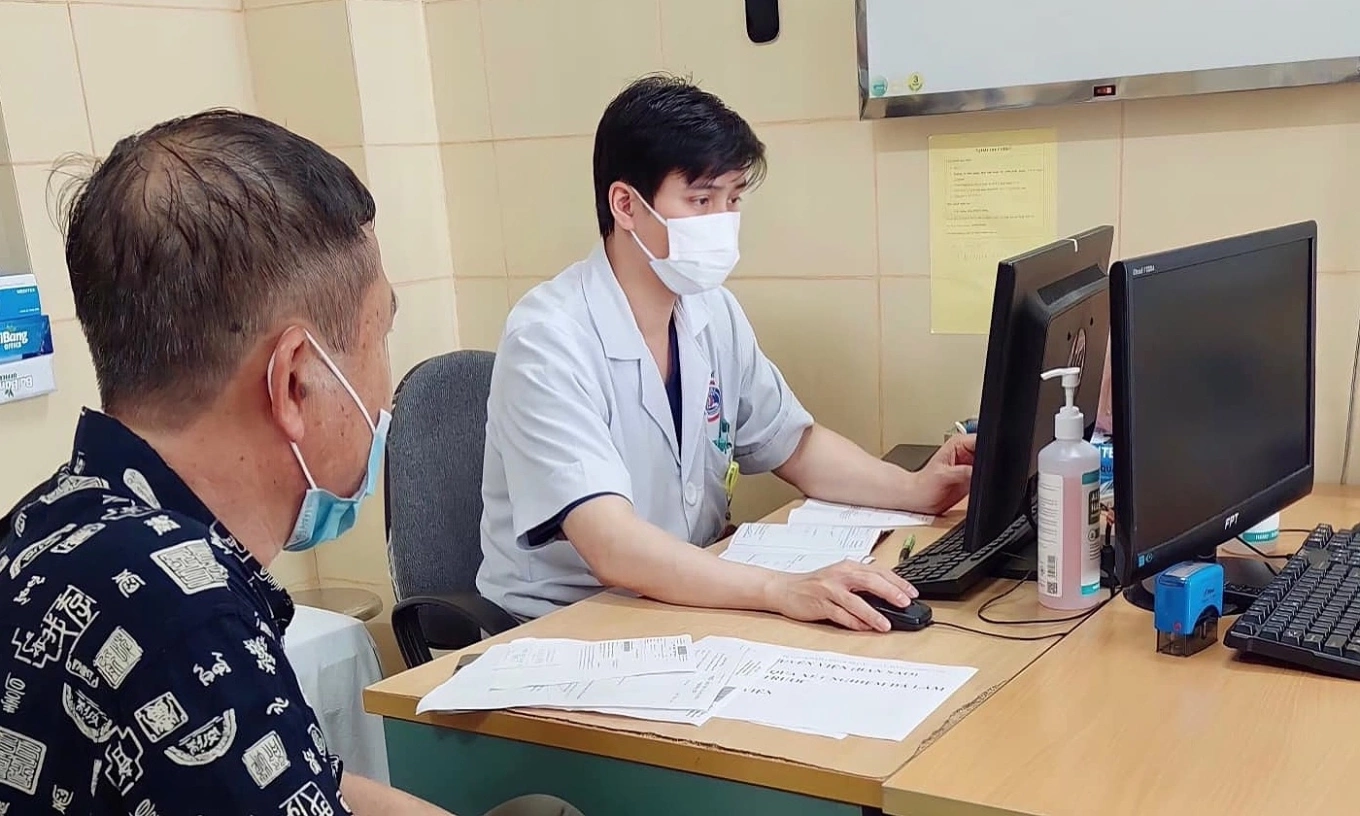 |
Doctor Hai Nam examining a patient. Photo: Provided by doctor |
In early 2026, the family called the doctor to report that the man had passed away peacefully, "because he had thoroughly prepared mentally, instead of living his final days stifled by a countdown." Doctor Nam felt relieved, having earned the patient's trust for over a decade of treatment.
A woman with stage two cancer also received a prognosis of less than one year to live. When she came to Benh vien K, Doctor Nam did not rush a diagnosis; he only communicated her survival time in terms of years. Overcoming the "curse" of specific numbers, she persevered with treatment, boosted her immunity, and lived for an additional 9 years.
According to Doctor Nam, providing a specific number for remaining time often creates extreme pessimism in all patients, not just those with cancer. Even patients who have been stable for 10-15 years, when their disease recurs, experience a more severe breakdown than the first time. They feel disappointed, believing they were fully cured, which can lead to a rejection of modern medicine and a reluctance to continue fighting.
"However, in medicine, no number is absolute, especially for stage 4 patients. Telling a 50-year-old person who longs to live until 80 that they only have three to six months left is like a fatal blow, causing them to give up and abandon treatment," Doctor Nam shared.
The consequences extend beyond psychological impact. Doctor Nguyen Thi Diem Huong of the Cancer Treatment Support Clinic, Benh vien Dai hoc Y Duoc TP.HCM Co so 3, outlined three specific ways negative emotions worsen a patient's prognosis:
First, when patients experience prolonged sadness, they eat poorly, sleep poorly, lose weight, and feel constantly fatigued. This leaves their bodies too weak to tolerate necessary doses of chemotherapy or radiation therapy. Doctors are then forced to reduce doses or temporarily suspend treatment, leading to a decrease in tumor control effectiveness.
Second, chronic stress has been shown to impair the activity of natural killer cells and T lymphocytes, two key immune forces against cancer cells. A meta-analysis published in Brain, Behavior, and Immunity in 2019 revealed that cancer patients with severe depression had a 26% higher risk of mortality compared to those without depression.
Finally, the most dangerous scenario in clinical practice occurs when patients, in a state of resignation, fear pain, worry about costs, are reluctant to visit the hospital, and gradually abandon treatment midway. Not completing the full treatment cycle means the disease progresses faster, and subsequent treatment options are significantly narrowed.
To overcome this psychological barrier, modern medicine prioritizes patient autonomy combined with controlled information delivery. Instead of giving absolute numbers, Doctor Nam chooses to soften his words to maintain hope based on truth. He guides patients toward the goal of extending life with the highest possible quality.
Doctor Huong believes that patients need empathy, emphasizing thorough clinical examination rather than solely relying on machine results. This approach builds a trusting relationship before any treatment decisions are discussed. Patients need clear explanations about the nature of their disease, the risks of using unverified medications, and especially the consequences of missing the critical treatment window.
Furthermore, doctors need to clarify that not everyone requires aggressive treatment. Treatment goals are individualized for each stage, including curative, adjuvant, or palliative care, depending on the patient's condition.
Thuy An