Dr. Vuong Thanh Huan, a Master of Science in Medicine, stated at the "Healthy Lungs, Peaceful Life" seminar, co-organized by Than Tam Training and Healthcare Center on 13/6, that Vietnam faces a growing burden from non-communicable diseases such as cardiovascular disease, diabetes, chronic obstructive pulmonary disease (COPD), and cancer.
The average life expectancy has increased significantly in recent years, from 73 to 74,5. However, the number of healthy years lived is not commensurate, as many people live with chronic diseases in their later years.
Data from the World Health Organization (WHO) indicates that if Vietnamese people live to approximately 75 years of age, the risk of developing cancer is about one in six, while the risk of death from cancer is one in nine.
Each year, Vietnam records approximately 180.000 new cancer cases and over 120.000 deaths. The new cancer incidence rate in Vietnam is at a global average, but its mortality rate is among the highest. This is largely because many patients are diagnosed late, when the disease has already advanced or clear symptoms have appeared.
 |
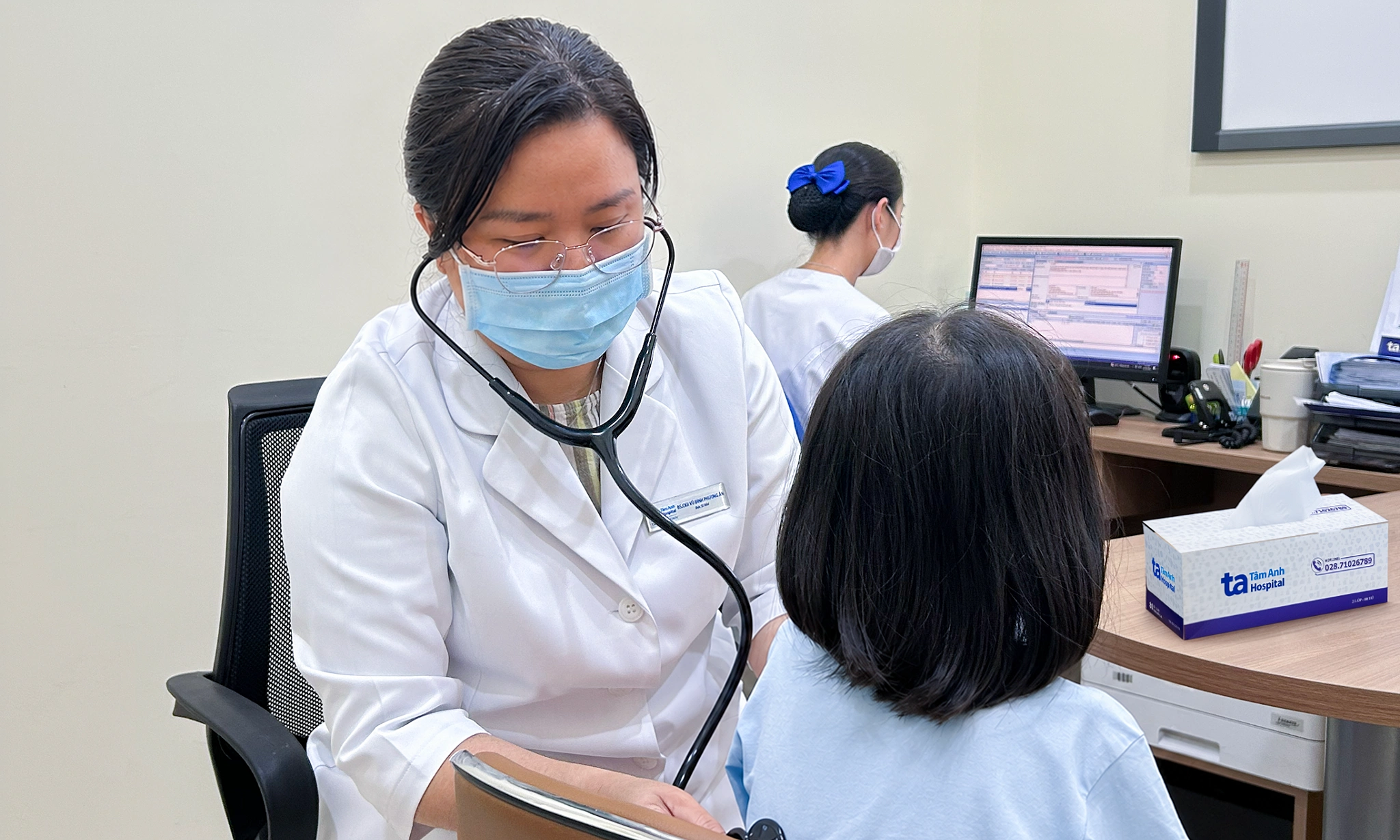
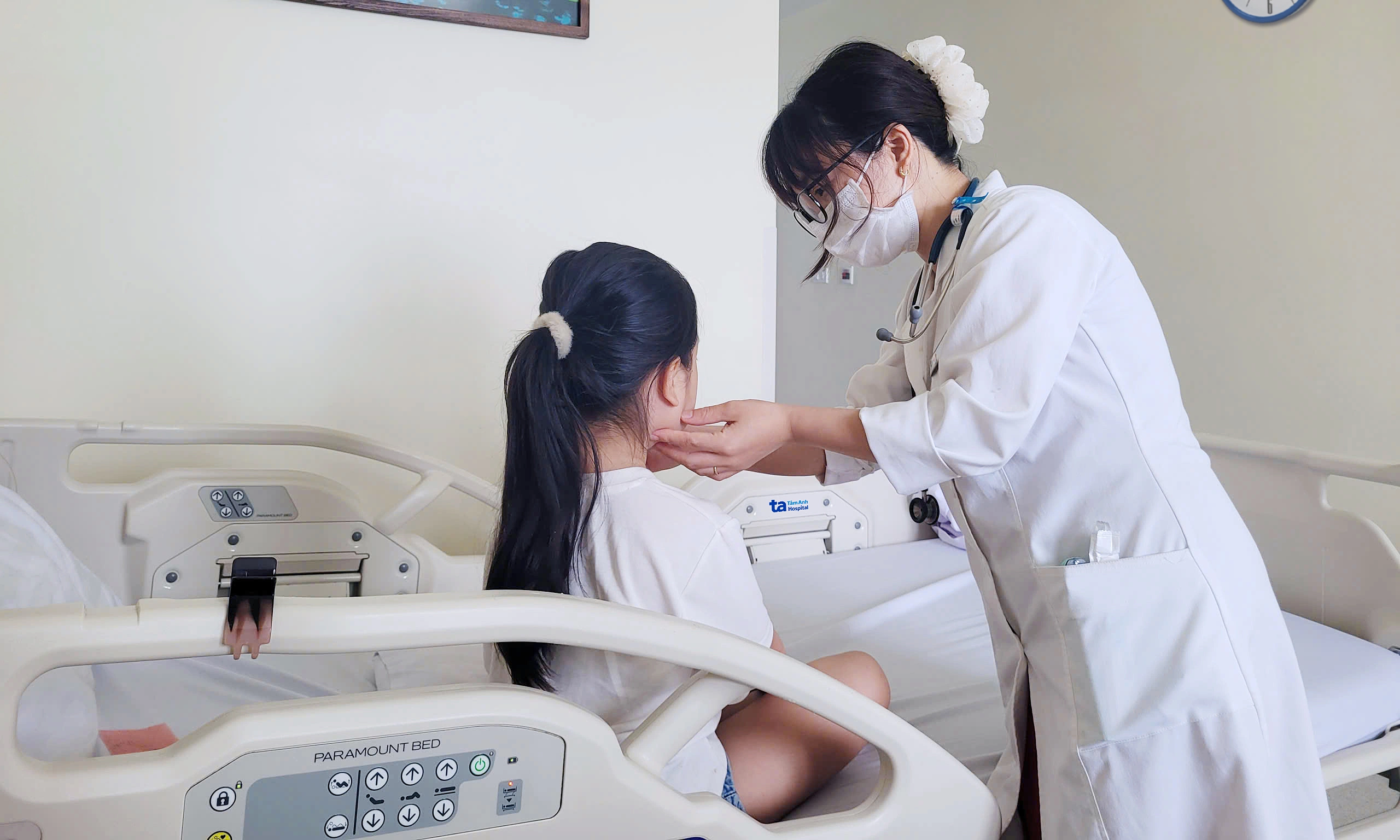
Vietnamese life expectancy is increasing, but many live with chronic diseases in their later years. Photo: Ngoc Anh.
According to Professor Dr. Thiravud Khuhaprema, Director of Wattanosoth Cancer Hospital (Thailand), early-stage cancer often progresses silently, with few symptoms. Many people only seek medical attention when their body shows abnormalities, missing the "golden period" for effective treatment.
Doctors recommend that instead of waiting for symptoms to appear before seeking medical examination, people adopt a more proactive approach through risk-group screening. For lung cancer - one of the leading causes of cancer deaths - early detection is especially important because treatment effectiveness is significantly higher if the disease is found in its early stages.
High-risk groups include: long-term smokers, those regularly exposed to smoke, dust, environmental pollution, individuals with a family history of cancer, or those with chronic respiratory diseases like COPD. At the seminar, experts warned of the close link between COPD and lung cancer, noting that many only discover the disease when their respiratory function has significantly declined due to its prolonged, silent progression.
Dr. Kulachat Ekpimmas from the Central Chest Institute of Thailand stated that by the time patients start experiencing shortness of breath, difficulty breathing, or reduced physical activity, they may have already lost about 50% of their lung function, and this decline is difficult to fully recover. This makes early screening in high-risk groups even more crucial, especially for smokers or those with prolonged coughing symptoms.
In addition to early detection, experts emphasize the role of lifestyle in preventing cancer and chronic diseases. Dr. Vuong Thanh Huan, a Master of Science in Medicine, recommends that people proactively protect their health based on the six pillars of lifestyle medicine: healthy nutrition, regular physical activity, adequate and quality sleep, stress management, limiting harmful substances such as tobacco and alcohol, and maintaining positive social relationships.
"We must not only live longer but also live healthier", said Dr. Huan, arguing that extended life expectancy loses much of its meaning if patients spend their final years battling illness.
Le Phuong