Chen Guanrong, a nutritionist at the Cancer Care Foundation, recently shared a cautionary tale in a video on her personal page, "Rong Mami Nutritionist's Health Handbook". It detailed the experience of a mother of twins in Taiwan who, eager to regain her figure after childbirth, adopted an extreme one-meal-a-day diet. Her daily intake consisted solely of a large bowl of salad and a single chicken drumstick, totaling fewer than 800 calories.
Despite her efforts, the outcome was devastating: when she stepped onto the body composition scale, her body fat percentage registered at an alarming 57%. This meant that nearly 60% of her total body weight was composed of fat.
Doctor Chen explained that such restrictive dieting, driven purely by willpower, tricks the body into believing it is facing starvation. This immediately activates an "energy-saving mode". Once normal eating habits resume, the body's absorption rate spikes, leading to rapid fat accumulation. This phenomenon is known as the yo-yo effect, often transforming dieters into what she termed "cream puff people" — individuals with dangerously high levels of excess body fat.
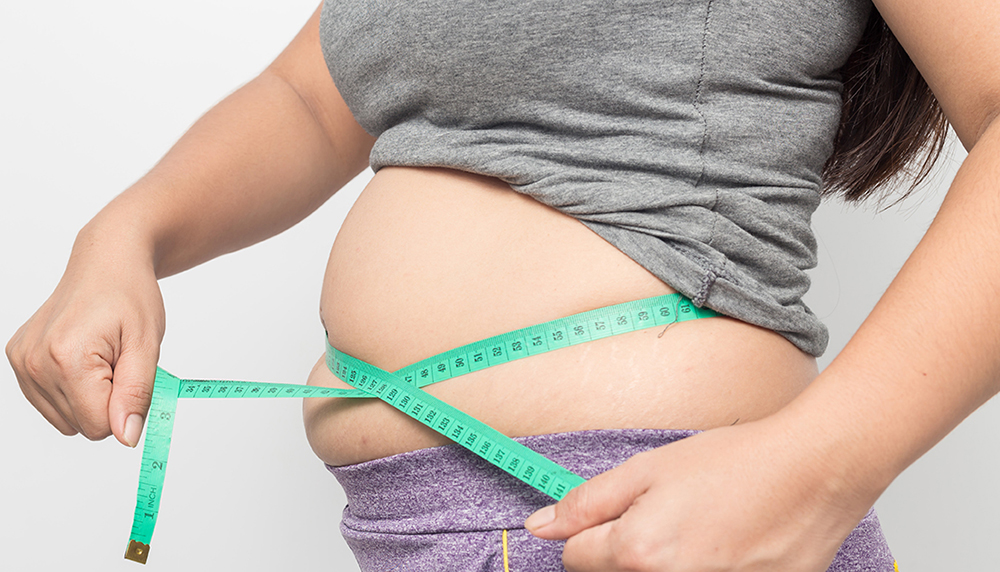 |
Illustration: Rush |
Moreover, weight loss achieved through extreme caloric restriction primarily depletes the body of water and muscle, not fat. Eliminating carbohydrates and fats entirely forces the body into a survival state, causing a severe decline in metabolic rate. A lack of protein further exacerbates the problem, leading to muscle wasting, hair loss, and a weakened immune system.
Instead of resorting to such harsh methods, the Taiwanese expert, drawing on 19 years of clinical experience, advises individuals to educate themselves on proper nutrition for healthy muscle gain and fat loss. To achieve optimal results, she recommends structuring each meal around three core components:
Fiber: Ensure at least one bowl of green vegetables per meal.
Protein: Consume a palm-sized portion from sources like tofu, fish, chicken, or eggs.
Good carbohydrates: Maintain two to three portions of healthy carbohydrates daily, such as brown rice, quinoa, or chickpeas.
Typically, the ideal body fat percentage for women aged 20 to 39 ranges from 21% to 32%. Individuals whose body fat exceeds this healthy threshold, even if their overall weight is considered normal, are commonly referred to as "cream puff people".
In a separate personal post, weight loss specialist Doctor Hsiao Chieh-chien further cautioned that from a medical standpoint, these cases are categorized as "metabolically unhealthy normal weight" (MUNW). Compared to individuals with a healthy physique, the "cream puff people" group faces a two to three times higher long-term risk of developing cardiovascular disease.
 |
Nutritionist Chen Guanrong. Photo: Fanpage |
By Binh Minh (Source: China Times)