High blood pressure is a chronic condition where blood pressure against artery walls is consistently elevated. Over time, this sustained pressure can cause severe damage to the heart, brain, kidneys, eyes, and blood vessels, potentially leading to heart failure, heart attacks, strokes, or kidney failure.
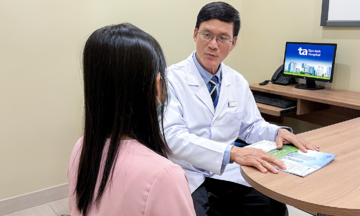
The American Heart Association (AHA - 2025) defines high blood pressure as a systolic reading above 129 mmHg and a diastolic reading above 79 mmHg. Master, Doctor Doan Vinh Binh from the Medical Information Center at Tam Anh General Hospital, Ho Chi Minh City, highlights several warning signs of the condition that are often overlooked.
**Headaches and Dizziness**
High blood pressure can trigger sudden headaches and dizziness, often felt in the back of the head or forehead, sometimes with neck stiffness. Elevated blood pressure increases pressure on cerebral blood vessel walls, disrupting the brain's self-regulation and impacting blood flow. Doctor Binh notes that headaches caused by high blood pressure often resemble common headaches in their frequency, intensity, and presentation.
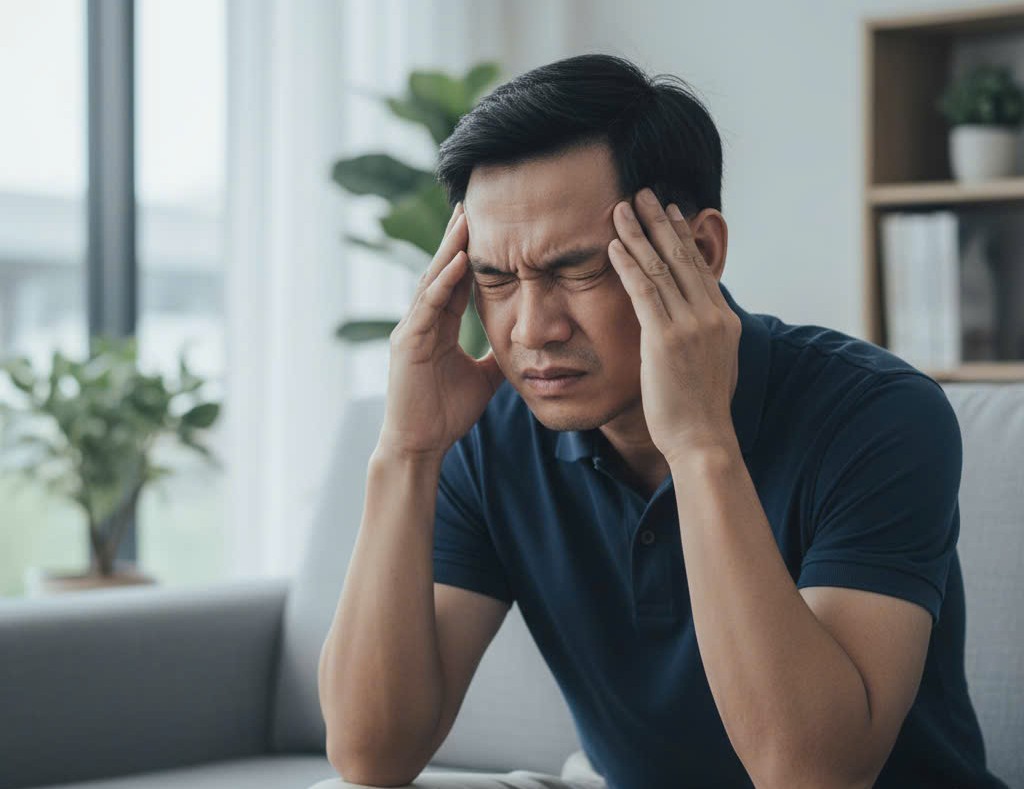 |
Headaches can be a sign of high blood pressure. Image generated by AI |
**Rapid Heartbeat**
Elevated blood pressure increases resistance to blood flow within vessels. The heart must pump harder to maintain adequate blood supply to organs. This results in an abnormally rapid heartbeat, sometimes accompanied by palpitations or a pounding sensation.
**Numbness or Tingling in Limbs**
High blood pressure impacts the elasticity of blood vessel walls. Additionally, atherosclerosis can stiffen or narrow vessels, reducing blood flow to organs. If blood vessels in the limbs are affected, this can manifest as numbness or tingling in the hands and feet.
**Nosebleeds**
High blood pressure elevates pressure within the small capillaries of the nasal lining, making them susceptible to rupture and causing nosebleeds. This symptom is often confused with common colds, rhinitis, allergies, or minor nasal injuries, which can also trigger nosebleeds.
**Fatigue and Shortness of Breath**
When blood pressure rises, unstable blood circulation can lead to exhaustion, low energy, and persistent fatigue, even after rest. This condition impairs heart and lung function, causing individuals to experience chest tightness and shortness of breath during physical exertion or when lying down.
**Blurred Vision and Conjunctival Hemorrhage**
High blood pressure can rupture the delicate capillaries beneath the conjunctiva. Prolonged hypertension damages small blood vessels in the retina, leading to vision impairment, blurred vision, or double vision. These eye symptoms are often confused with conditions such as nearsightedness, conjunctivitis, or eye strain from prolonged screen use.
Doctor Binh advises annual blood pressure screenings for everyone. Individuals over 30, or those with diabetes, obesity, kidney disease, cardiovascular conditions, or a family history of hypertension, should undergo more frequent monitoring. To prevent high blood pressure, maintaining a healthy lifestyle is key: reduce salt intake, increase vegetable consumption, manage weight, lower stress levels, and exercise regularly. Supplementing with GDL-5 (policosanol), a natural bioactive compound extracted from South American sugarcane powder, can also help regulate blood lipids, control blood pressure, and support overall cardiovascular health.
Dinh Dieu
| Readers can submit cardiovascular questions here for doctors to answer. |