Pneumonia is an infection of the lung parenchyma caused by bacteria, viruses, or fungi. Common symptoms include cough, fever, shortness of breath, chest pain, and fatigue. However, not everyone with pneumonia exhibits all these signs.
In some cases, patients may cough frequently but not have a fever, especially in the early stages of the disease when the immune system has not reacted strongly. Older adults, individuals with chronic conditions, or those with compromised immune systems sometimes do not present with a pronounced fever despite having a lung infection.
A cough due to pneumonia often persists, potentially with phlegm that can be thick, yellow, or green. Some individuals report chest tightness, pain upon deep inhalation, breathlessness, or rapid breathing. Should the inflammation worsen, systemic symptoms like fatigue, reduced appetite, or fever might emerge.
However, frequent coughing without a fever does not always indicate pneumonia. This symptom can also manifest in various other respiratory conditions, including acute bronchitis, bronchial asthma, and chronic obstructive pulmonary disease. Individuals with gastroesophageal reflux disease, pharyngitis, or acute sinusitis might also exhibit this symptom.
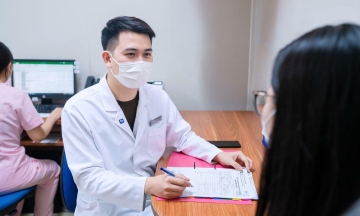
Seek medical attention if you experience symptoms such as breathlessness, chest pain, a fever of 38,5 degrees Celsius or higher, or a persistent cough, particularly if it includes thick phlegm or pus. These signs may point to a lower respiratory tract infection that needs prompt assessment.
Medical evaluation is critical for high-risk groups: individuals over 65, children under two with respiratory symptoms, and those with chronic underlying conditions or weakened immune systems. Patients receiving immunosuppressive drugs or chemotherapy also need medical monitoring if suspicious symptoms arise. A doctor may recommend blood tests, chest X-rays, lung computed tomography scans, or other examinations to identify the cause.
While monitoring symptoms, ensure adequate hydration, rest, and avoid exposure to tobacco smoke, dust, and chemicals. Also, keep warm. Do not self-prescribe antibiotics without a doctor's guidance, as they are only effective against bacterial infections.
Doctor Nguyen Thac Dung
Department of Respiratory Medicine
Tam Anh General Hospital Hanoi
| Readers can submit questions about respiratory diseases here for a doctor's response. |