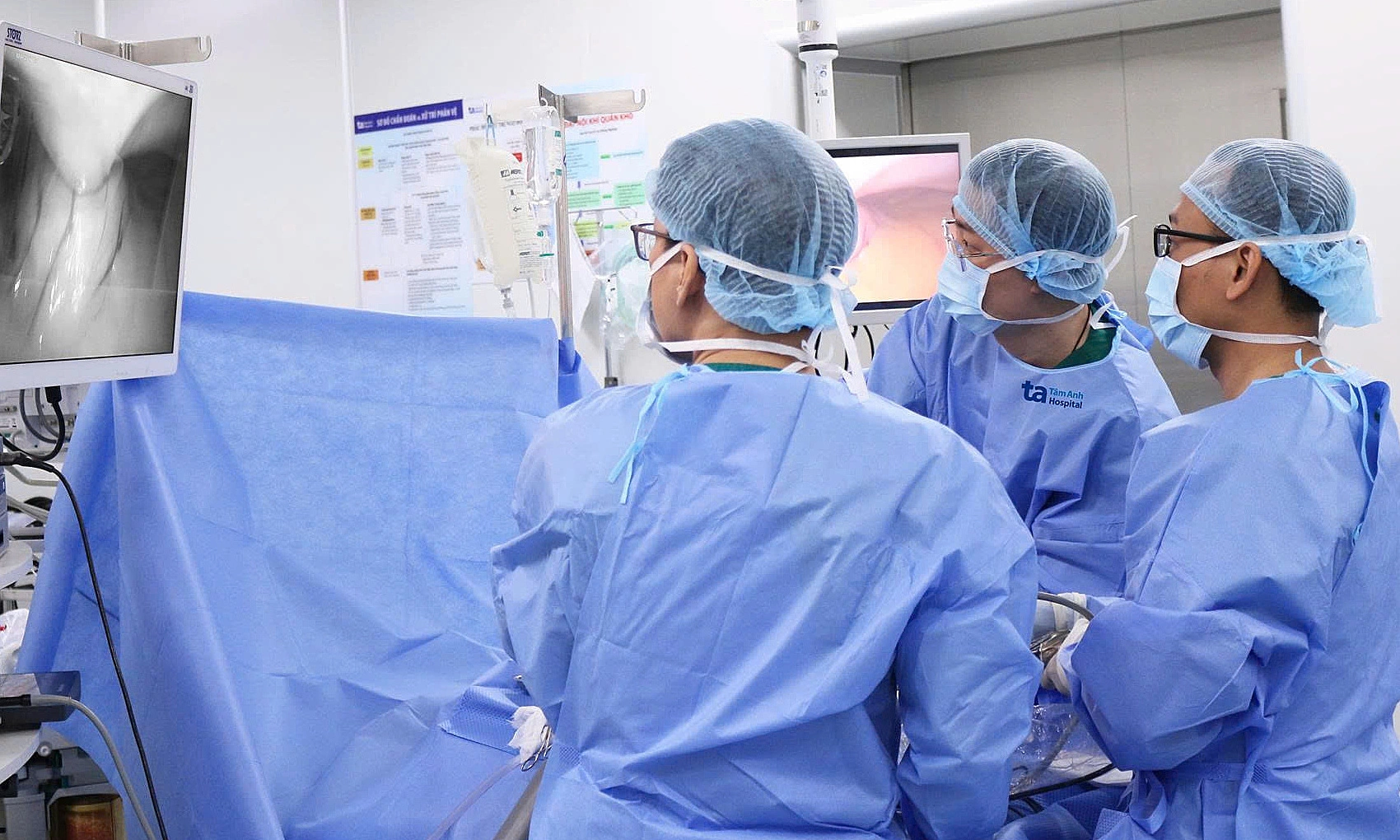
Over one year, Nguyen Van Hung's weight increased from 68 kg to 95 kg, resulting in grade two obesity. His visceral fat was 2,5 times the safe limit, and his body fat percentage was nearly 50%. An esophagogastroduodenoscopy performed at Tam Anh General Hospital Ho Chi Minh City revealed widespread esophageal ulcers, grade B gastroesophageal reflux disease, and mucosal lesions over 3 cm.
A biopsy confirmed that Nguyen Van Hung had Barrett's esophagus, a complication of prolonged gastroesophageal reflux disease. Barrett's esophagus is a precancerous lesion that increases the risk of developing esophageal adenocarcinoma.
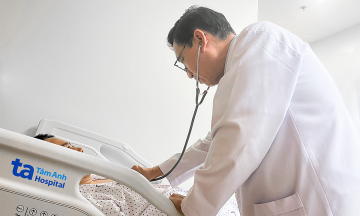
Dr. Lam Van Hoang, Head of the Department of Endocrinology and Diabetes at Tam Anh General Hospital Ho Chi Minh City, participated in the consultation. He prescribed medical treatment and recommended weight loss to manage the reflux.
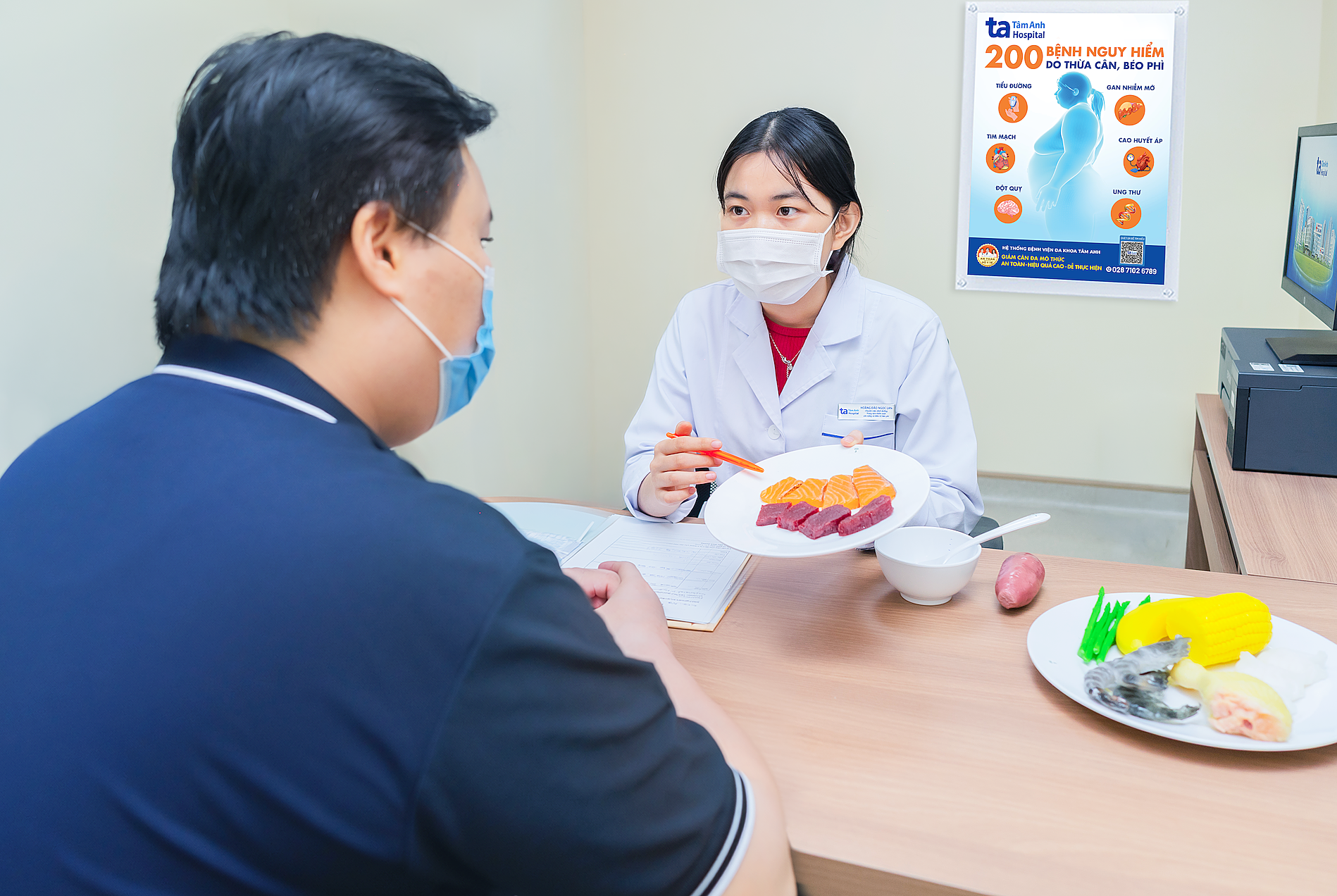 |
A nutritionist advises Nguyen Van Hung on a suitable diet. Photo: Tam Anh General Hospital. |
A nutritionist advises Nguyen Van Hung on a suitable diet. Photo: Tam Anh General Hospital.
According to Dr. Hoang, obesity is a significant risk factor for gastroesophageal reflux disease. Obese individuals often experience esophageal motility disorders, lower esophageal sphincter abnormalities, and a tendency to develop hiatal hernia. Excess fat increases pressure and volume in the stomach, while fat cells alter the secretion of adiponectin and leptin, contributing to Barrett's esophagus.
Eating too quickly also reduces the mixing of saliva with food, forcing the stomach to contract continuously and secrete more acid for digestion. This leads to bloating and prolonged acid reflux. Obesity is linked to complications from extended reflux, including erosive esophagitis, Barrett's esophagus, and esophageal adenocarcinoma.
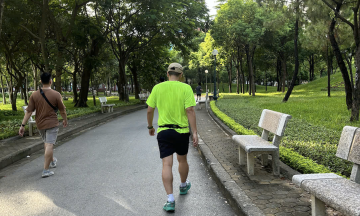
Nguyen Van Hung's obesity treatment included appetite-suppressing medication combined with a suitable diet. Due to his gastroesophageal reflux disease, he prioritized oats, green vegetables, nuts, and beans. He also limited sour fruits, spicy and hot foods, fried items, and sweets. Patients are advised to divide meals into smaller portions, avoid overeating, eat slowly, chew thoroughly, and refrain from eating while working. After meals, one should not lie down or bend over immediately; instead, taking a light walk or sitting for about 30 minutes is recommended.
After three months of treatment, Nguyen Van Hung lost 14 kg, and his heartburn, acid reflux, and chest discomfort decreased. However, he must continue regular esophageal endoscopies to monitor the disease progression.
Duc Hanh
*The patient's name has been changed.
| Readers can ask questions about endocrine diseases here for doctors to answer. |