Hong, concerned about the fetus, restricted carbohydrates and sweets and avoided gestational diabetes medication. At 28 weeks, she suddenly experienced extreme fatigue and vomiting. An ultrasound at Tam Anh General Hospital Ho Chi Minh City revealed no fetal heartbeat, and the mother was diagnosed with severe diabetic ketoacidosis due to high blood sugar.
She received emergency fluid resuscitation, continuous insulin infusions, and potassium supplementation to reverse the acidosis. Despite intensive treatment, the fetal heartbeat did not recover, necessitating the termination of the pregnancy.
According to Master of Science, Doctor Nguyen Thi Thanh Truc from the Department of Endocrinology and Diabetes at Tam Anh General Hospital Ho Chi Minh City, Hong's uncontrolled and untreated gestational diabetes progressed to type 2 diabetes.
Gestational diabetes is a metabolic disorder. During pregnancy, the placenta produces hormones that can increase blood sugar levels. Normally, the pancreas secretes enough insulin to manage this. However, if the pancreas cannot produce sufficient insulin or the body develops insulin resistance, blood sugar levels will rise.
To support fetal development during pregnancy, the placenta produces hormones. These hormones can negatively affect insulin function, leading to a hormonal imbalance. This imbalance contributes to the increased risk of gestational diabetes in pregnant women.
 |
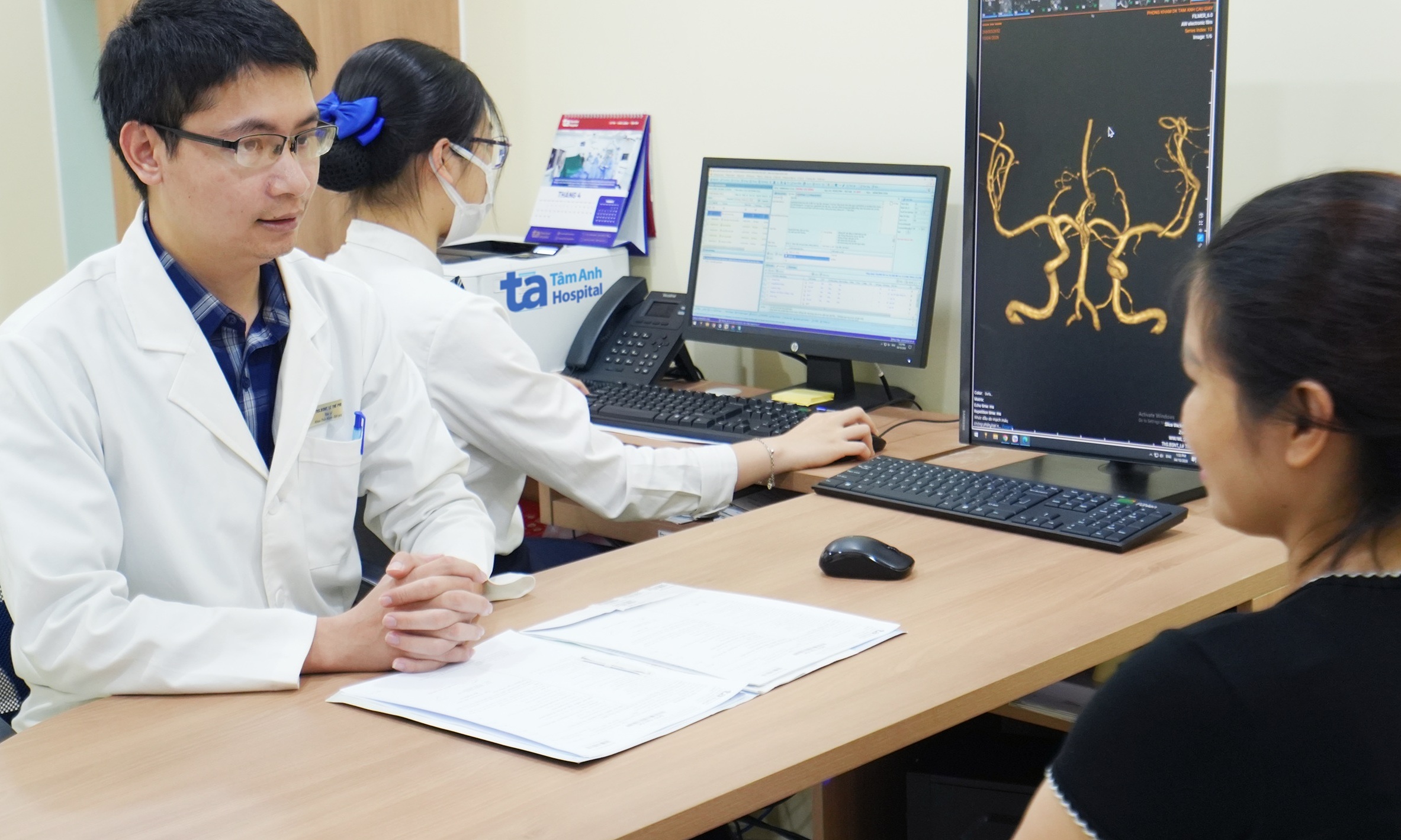
Doctor Truc examines Hong. Photo: Tam Anh General Hospital |
Following treatment, the diabetic ketoacidosis was controlled. However, Hong required continuous monitoring of blood sugar every one to two hours, electrolytes (potassium, sodium), and blood pH every two to four hours. Additionally, she needed physical and psychological stabilization after the pregnancy termination.
Doctor Truc noted that approximately 10% of pregnant women experience gestational diabetes. Fetuses can develop healthily if the condition is treated and blood sugar is well-controlled. Conversely, risks for the fetus include: miscarriage, premature birth, congenital defects, stillbirth, polyhydramnios, macrosomia, or intrauterine growth restriction. Expectant mothers also face an increased risk of preeclampsia, requiring a cesarean section, or developing chronic type 2 diabetes.
The doctor advises pregnant women with gestational diabetes to seek early treatment for blood sugar control. They should also maintain a healthy, low-sugar diet, divided into three main meals and two to three snacks. Dietary priorities include protein and slow-digesting, fiber-rich carbohydrates, while limiting fats and sweets. A diverse intake of foods, green vegetables, and fruits is encouraged to supplement vitamins and minerals. Pregnant women should also engage in light exercise for about 30 minutes daily.
Bach Duong
*Patient's name has been changed
| Readers can submit questions about diabetes here for doctors to answer |