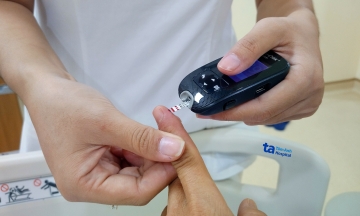
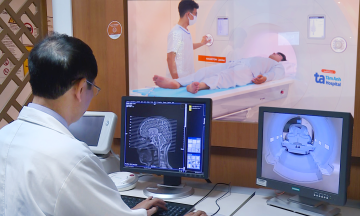
Ultrasound results for Nga at Tam Anh General Hospital Hanoi revealed fluid on both sides of her pleura: approximately 9,5 mm on the left and 7,3 mm on the right. Her pleura appeared smooth, with no abnormal masses detected. She had a history of gestational diabetes, managed with insulin.
Tests ruled out pulmonary embolism but indicated increased inflammation. Master of Science, Doctor Nguyen Thac Dung, from the respiratory department, recommended monitoring for pneumonia and pleurisy. As the pleural fluid volume was minimal and not causing compression, Nga did not require fluid drainage; treatment involved antibiotics. Subsequently, the pleural fluid gradually decreased, symptoms improved, and no complications were recorded.
Doctor Dung advised expectant mothers not to disregard symptoms such as chest pain or shortness of breath. Beyond pneumonia and pleurisy, it is essential to rule out other serious causes like pulmonary embolism, atypical pneumonia, or cardiovascular disease, especially in individuals with risk factors like gestational diabetes.
 |
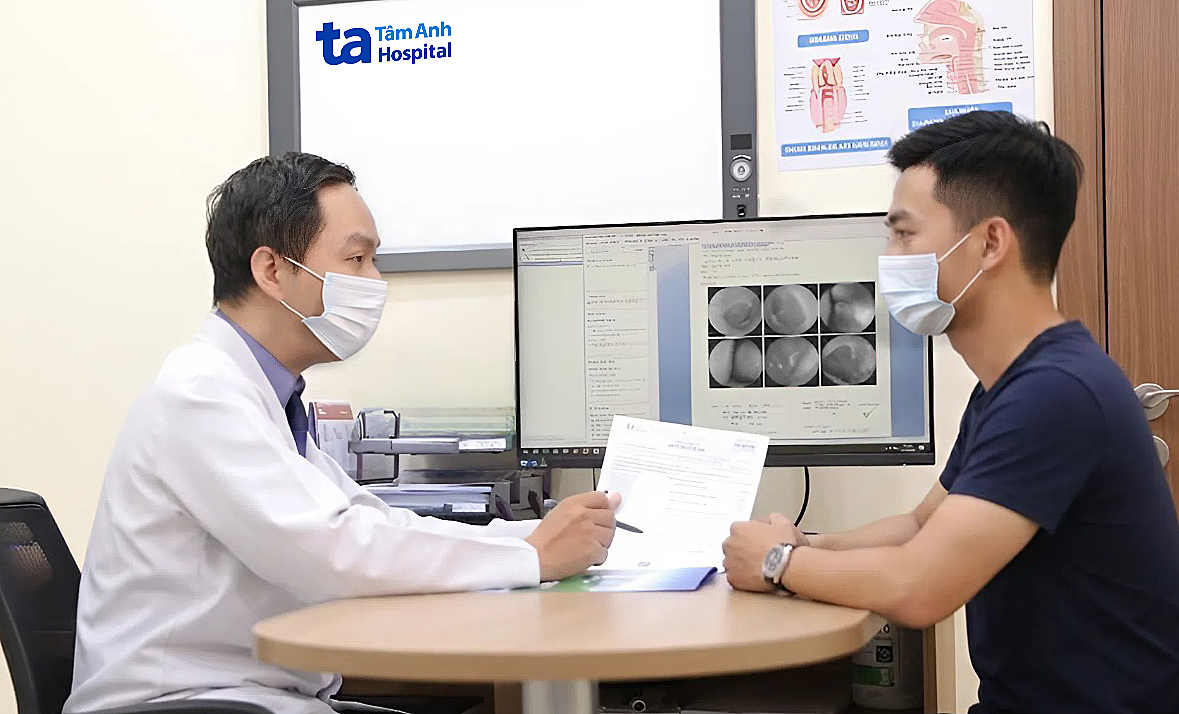
Doctors reported the pregnant woman's pleural fluid gradually decreased during her follow-up appointment. *Photo: Tam Anh General Hospital*
During the final weeks of pregnancy, shortness of breath or chest pain can occur due to physiological changes. However, if the pain intensifies with deep breaths, accompanied by increased difficulty breathing, chills, or fever, pregnant women should seek early medical attention for an accurate diagnosis.
Diagnosing conditions in pregnant women prioritizes safe methods such as ultrasound. X-ray imaging is only performed when medically indicated, and the pregnant woman will wear a lead apron to shield her abdomen.
Thuy Hanh
*Patient's name has been changed*
| Readers can submit respiratory health questions here for doctors to answer |