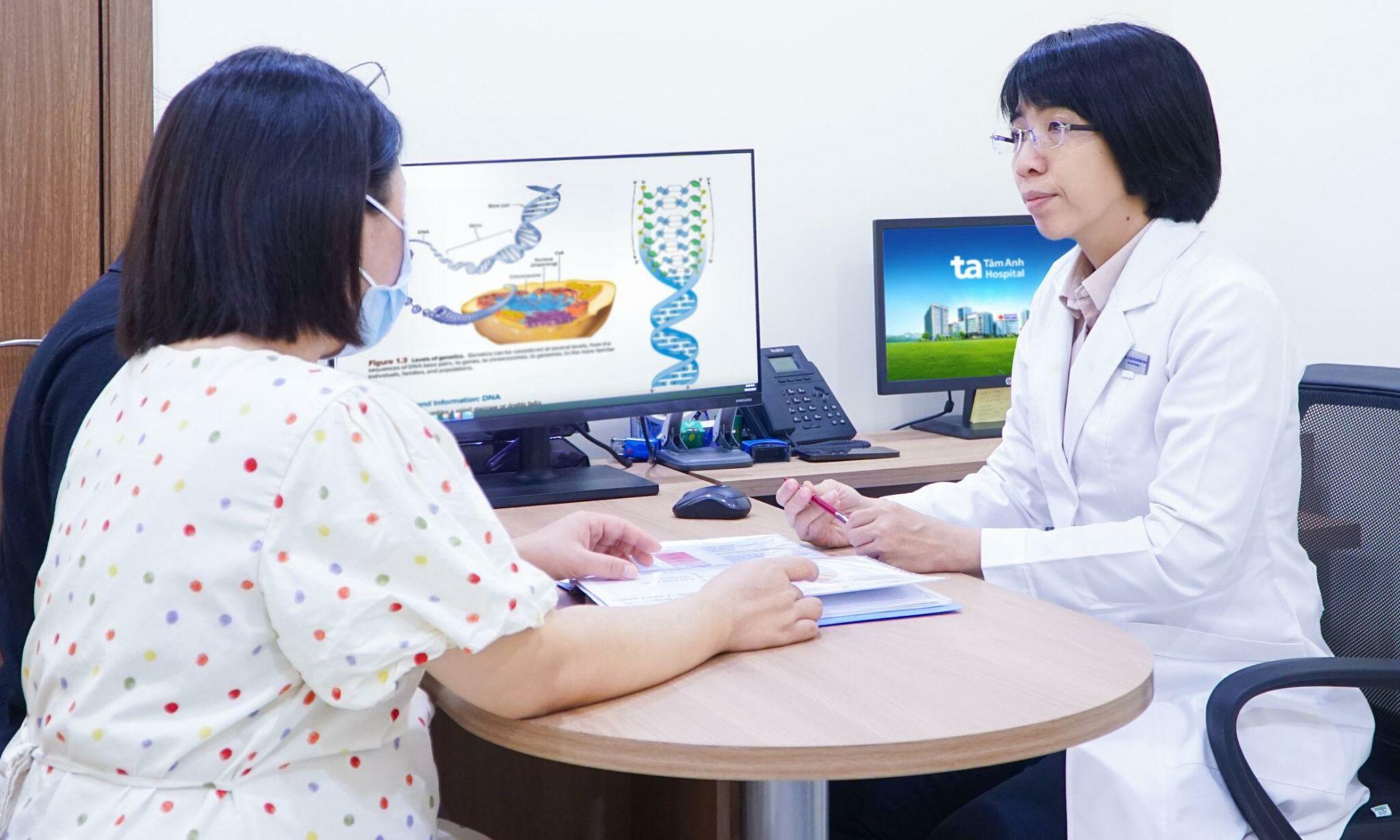
Master, Doctor Nguyen Anh Duy Tung, a Nutrition - Dietetics Specialist at Tam Anh District 7 General Clinic, advises that a scientific diet is crucial for patients to recover quickly after hemorrhoid surgery. Here are three food groups to limit due to their potential to cause inflammation:
Spicy, hot, and greasy foods
Spicy foods contain capsaicin, which causes a burning sensation when consumed. Spices such as chili, pepper, ginger, and mustard can generate internal heat, induce sweating, and slow down wound healing.
Fried and greasy dishes often lead to bloating and indigestion, increasing the risk of inflammation after hemorrhoid surgery. For patients with sensitive constitutions, these foods can irritate the surgical site, prolonging recovery.
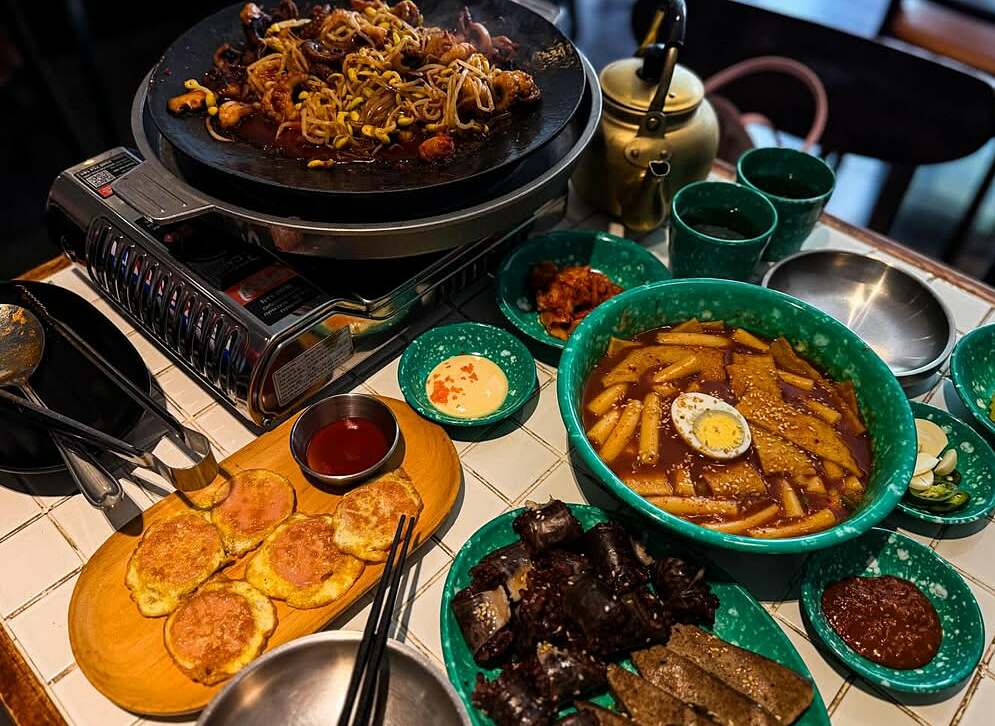 |
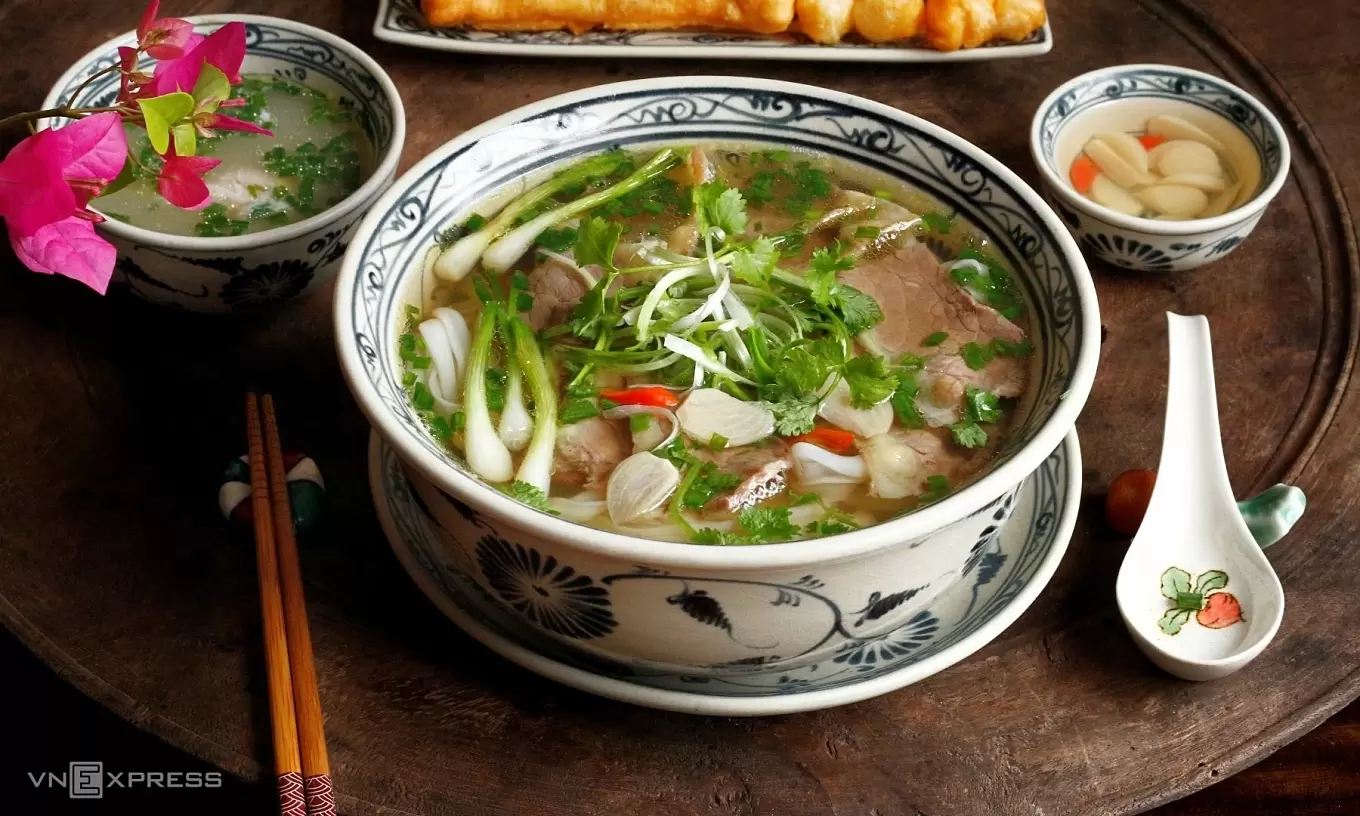
Individuals who have just undergone hemorrhoidectomy should avoid or minimize spicy, hot, and greasy foods to prevent irritation to the injured area. Photo: Quoc An |
Individuals who have just undergone hemorrhoidectomy should avoid or minimize spicy, hot, and greasy foods to prevent irritation to the injured area. Photo: Quoc An
Processed foods and high-sodium items
Foods like pizza, fried chicken, french fries, canned goods, sausages, bacon, and instant noodles are typically high in salt and sodium, low in fiber, and rich in saturated and trans fats. Preservatives and additives in these products can also irritate the digestive tract, leading to intestinal inflammation and slowing the recovery process. Patients recovering from hemorrhoid surgery should prioritize fresh, lightly seasoned, home-cooked meals to better control salt and fat intake.
Carbonated drinks, coffee, and alcohol
These beverages strongly stimulate the digestive system and act as diuretics, causing rapid dehydration and increasing the risk of constipation. Alcohol and caffeine can impede wound healing and exacerbate swelling and pain, particularly within 24 hours after surgery. Patients should opt for plain water, fresh fruit juice (without added sugar), or coconut water to replenish electrolytes and support natural bowel movements.
Patients should consume fiber-rich foods such as green vegetables, sweet potatoes, and fruits. Prioritizing easily digestible foods helps prevent gas and bloating. Gas accumulation in the intestines can increase pressure in the anal region, leading to pain and discomfort. Adequate intake of micronutrients like vitamin C, zinc, and protein in appropriate amounts contributes to faster wound healing and reduces the risk of infection.
Drinking 1,5-2 liters of water daily helps soften stools and promotes blood circulation to nourish the surgical area. Patients can also take warm sitz baths to soothe burning pain and apply a cold compress (wrapped in a towel) to the surgical site for about 10 minutes, several times daily. Following the doctor's medication instructions is essential for effective pain management.
After surgery, patients should avoid early or strenuous physical activity to limit the risk of bleeding and recurrence. Regular follow-up appointments with a gastroenterology specialist are important to monitor recovery and receive personalized dietary advice.
Quoc An
| Readers can submit nutrition questions here for a doctor's response |