Answer:
Weight loss by cutting out meals, fasting, or only eating boiled or steamed dishes is often not as effective or sustainable as eating three meals a day combined with a scientific menu.
Eating three meals daily helps distribute calories evenly. Typically, food remains in the stomach for a maximum of 8 h and is fully digested within 4-5 h. Skipping meals or having meals too far apart can increase stomach acid, cause low blood sugar, and lead to a lack of energy. This, in turn, boosts cravings for sweets or carbohydrates.
Eating at regular times also promotes satiety, preventing excessive hunger that could lead to overeating at the next meal. Consistent eating supports the energy metabolism process, helping the body burn calories more efficiently, even at rest.
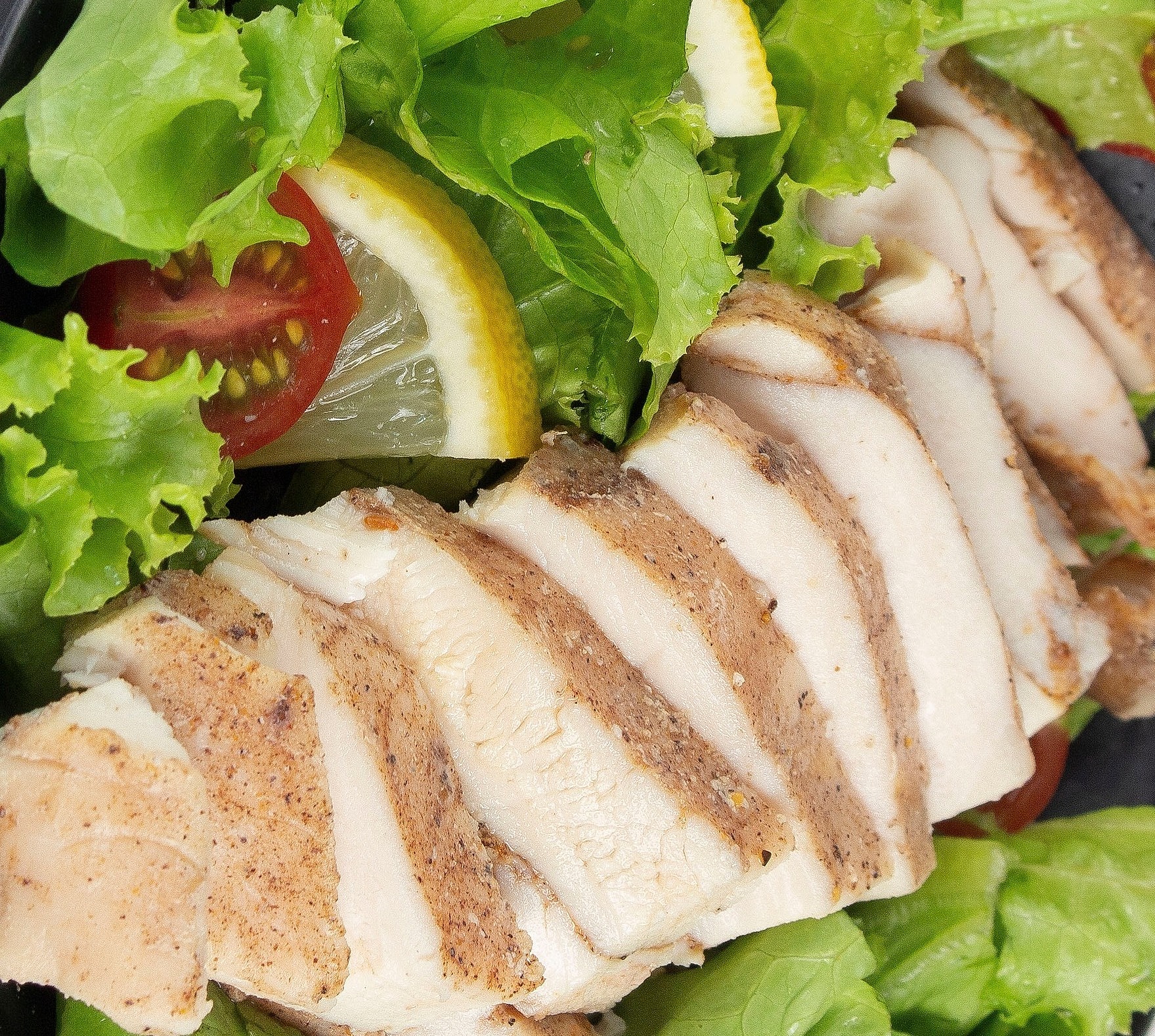 |
Lean protein and green vegetables are recommended for weight loss diets. Illustration: Duc Hanh |
You should divide your portions appropriately for each meal:
For breakfast, choose foods rich in protein and fiber. These not only provide a lasting feeling of fullness but also stabilize blood sugar levels. Prioritize eggs, whole-grain bread, oatmeal, or unsweetened yogurt combined with fruit. This is the most important meal of the day, supplying energy and activating metabolism.
For lunch, consume a balanced meal with one portion of protein, plenty of green vegetables, and a moderate amount of carbohydrates. This meets your body's nutritional needs without burdening the digestive system.
Prioritize boiled vegetables, vegetable soups, and easily digestible protein while minimizing oil, fat, and sweets at dinner. This prevents sleep disturbances and helps avoid fat accumulation.
If you want a snack, choose healthy options like certain fruits and vegetables to control cravings until your next meal.
Eating slowly and chewing thoroughly allows the stomach time to signal fullness, preventing overeating. Ensure adequate sleep and regular exercise, such as cardio or weight training, to burn calories more effectively, and drink enough water.
In addition to eating three meals daily, ensure each meal contains sufficient nutrients from protein, carbohydrates, and fiber. This provides enough energy for daily activities and stimulates effective fat burning.
Protein-rich foods like lean meat, chicken, fish, eggs, and nuts promote satiety, maintain muscle mass, and boost metabolism. Fiber-rich foods like green vegetables and low-sugar fruits slow digestion, provide vitamins and minerals, and help prevent blood sugar spikes. Complex carbohydrates such as brown rice, oats, corn, whole grains, and sweet potatoes keep you feeling full longer.
Doctor Vo Tran Nhu Thao
Endocrinology - Diabetes Unit
Tam Anh District 7 General Clinic
| Readers can ask questions about endocrine diseases here for doctors to answer |