An eye exam before a child enters first grade is crucial for early detection of potential vision problems, even if there are no apparent symptoms. Conditions such as refractive errors and amblyopia can develop silently, making them difficult for parents to identify.
As children transition to elementary school, they begin engaging in activities like reading, writing, and focusing on a board, requiring sustained visual concentration at various distances. Good vision is fundamental for facilitating learning, improving comprehension, and establishing a strong foundation for their academic and personal development during these formative school years.
Many parents mistakenly believe that eye exams are only necessary if a child complains of blurry vision or eye strain. However, numerous pediatric eye issues, particularly amblyopia (lazy eye), develop silently. Young children often cannot recognize or articulate that their vision is impaired. If only one eye has reduced vision, the other eye compensates effectively, allowing the child to maintain normal activities and play, which can lead parents to overlook the problem.
Amblyopia occurs when the brain fails to receive clear images from one or both eyes during the critical period of visual development. This condition is frequently linked to refractive errors, strabismus (crossed eyes), or other underlying eye conditions. Early detection and timely treatment significantly enhance the likelihood of improving the child's vision.
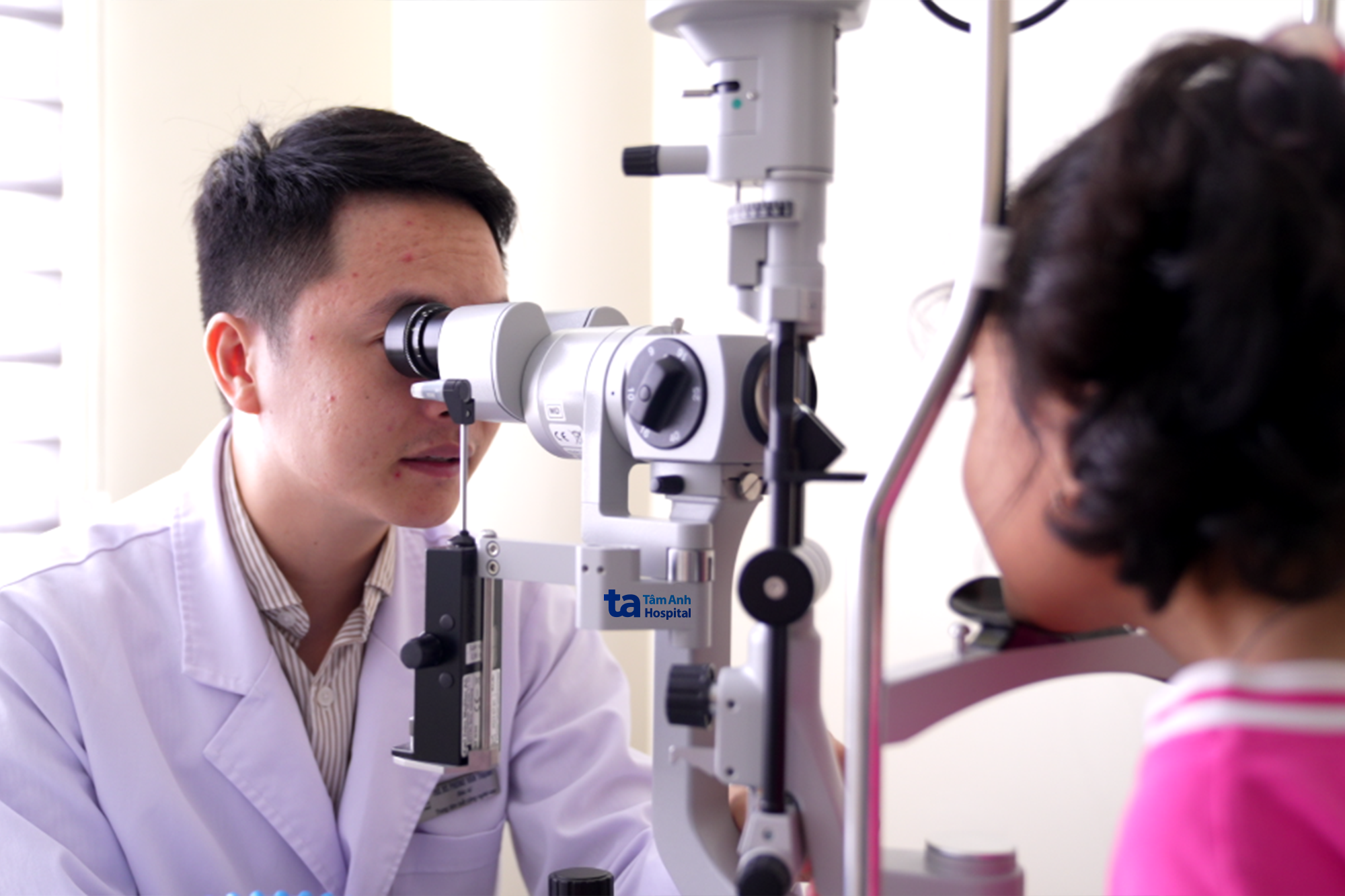 |
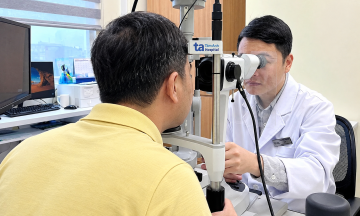
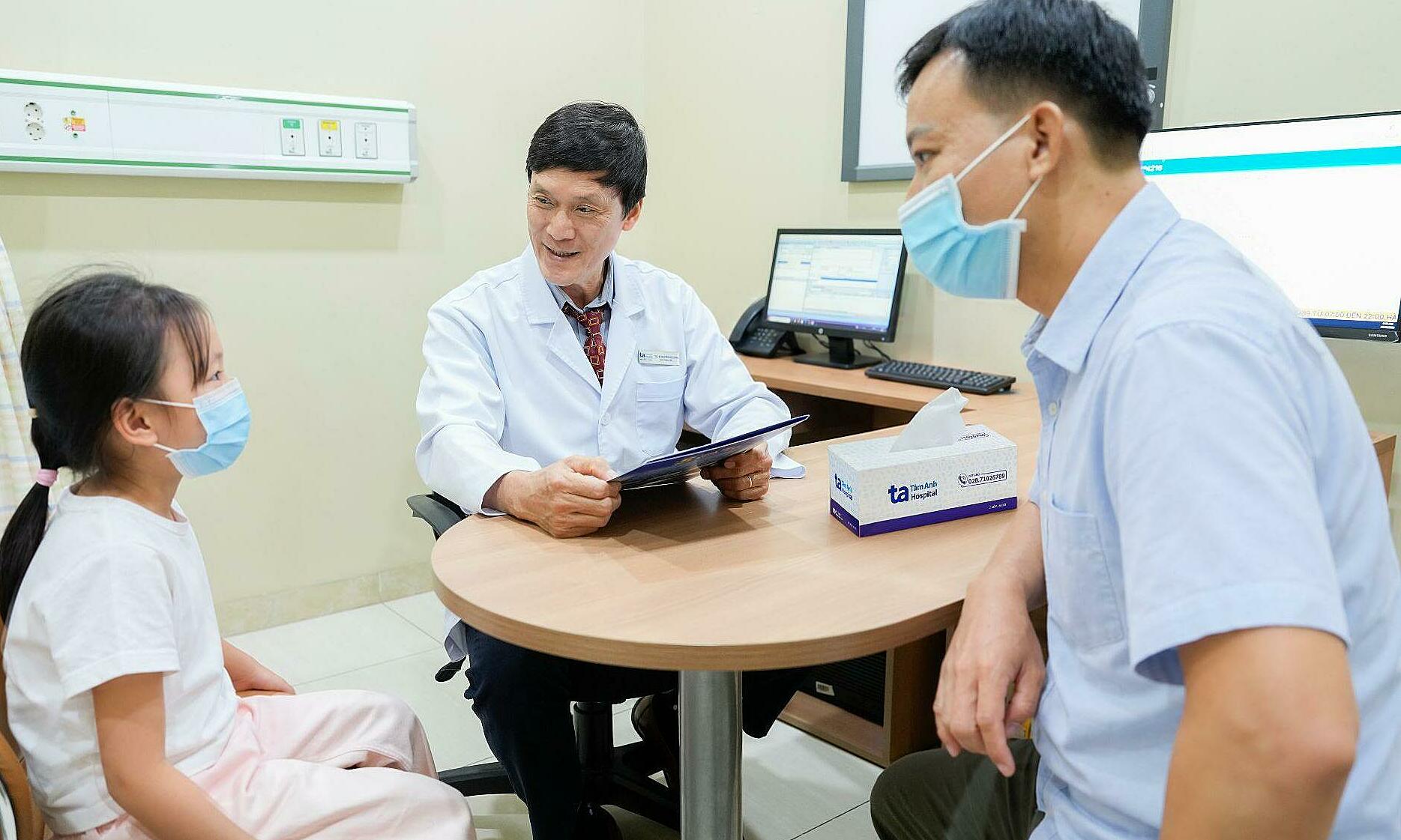
Bac si Don vi Mat Cong nghe cao examining a young child. Illustration photo: Hoang Duong.
Beyond amblyopia, a comprehensive eye examination allows doctors to identify a range of vision problems and abnormalities early on. These include myopia (nearsightedness), hyperopia (farsightedness), astigmatism, strabismus, congenital diseases, and irregularities of the cornea, retina, or optic nerve. While refractive errors are a common cause of blurry vision in children, congenital diseases or developmental abnormalities of the eye, if not detected and treated promptly, can have a long-term impact on visual function.
Parents should ensure their child undergoes regular eye check-ups, or seek professional advice if any of the following signs appear: squinting when looking at distant objects, bending close when reading or writing, sitting too near the TV, frequently rubbing their eyes, prolonged tearing, tilting their head to see, strabismus, or frequent complaints of headaches and eye fatigue after studying.
To help protect your child's vision, encourage them to engage in outdoor activities for at least 2 hours daily. It is also important to limit prolonged use of electronic devices, maintain an appropriate distance when reading and writing, ensure adequate lighting for studying, and encourage eye breaks after every 20-30 minutes of continuous near vision. A balanced diet, sufficient sleep, and consistent eye exams are equally vital for maintaining healthy vision.
Dr. Le Thi Huong Giang
High-Tech Eye Unit
Tam Anh Cau Giay General Clinic
| Readers can submit questions about ophthalmological conditions here for a doctor's response. |