Based on the symptoms described, you may have acute bronchitis, a form of respiratory tract inflammation. This condition involves inflammation of the bronchial tube lining, often caused by a virus infection or other irritants such as dust and temperature changes. The body then increases mucus secretion to protect the airways, leading to a phlegmy cough to expel the pathogens. Patients may also experience chest tightness, fatigue, and difficulty breathing.
Most symptoms of respiratory tract infections typically last one to two weeks. However, without proper care or if inflammation recurs, the condition can become chronic, causing a persistent cough. In addition to prescribed treatment, patients need to maintain a nutritious diet rich in vitamins and minerals to boost immunity.
For individuals with respiratory issues, the vitamin C in oranges boosts the immune system, helping the body fight against infectious agents like bacteria and viruses, and improving symptoms. Oranges also contain antioxidants such as flavonoids, carotene, and other anti-inflammatory compounds, which contribute to preventing lung tissue fibrosis and clearing the airways. Drinking orange juice helps thin phlegm, reducing throat discomfort.
However, patients should note that orange juice does not treat bronchitis; it only provides supportive benefits. You should consult a doctor for appropriate dosage, especially if you are currently taking medication, to ensure safety.
Everyone should use fresh orange juice from a clear source, ensuring food safety and hygiene. Limit bottled orange juice, as it often contains high sugar and flavorings. You should only drink about 150-200 ml daily, and avoid consuming it on an empty stomach, as the acid from orange juice can irritate the stomach, causing discomfort and heartburn. The best time to drink orange juice is in the morning or afternoon, one to two hours after meals. If you have a sore throat, drink it at room temperature or diluted to reduce irritation.
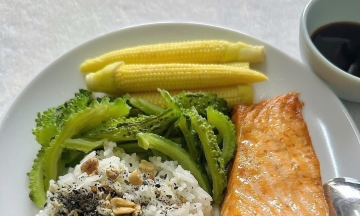
You can also supplement your diet with nutrient-rich foods such as: cruciferous vegetables, fresh fruits, fatty fish, nuts, ginger, and turmeric. Patients need to build a diverse menu, combine it with adequate rest, and drink enough water daily. If your cough persists, phlegm increases, shortness of breath worsens, or you develop a fever, you should seek medical attention.
Master of Science, Doctor Nguyen Anh Duy Tung
Specialist in Nutrition - Dietetics
Tam Anh General Clinic, District 7
| Readers can send nutrition questions here for a doctor's response |